

Found a Slow or Hidden Leak? Signs and What to Do
Not every leak is a burst pipe with water spraying across the room. Some of the most damaging leaks are slow drips you can't see: a loose fitting under the sink, a pinhole leak in a pipe behind the wall, a toilet or shower seal leaking into the subfloor. Because nobody notices them, they can soak the same materials for weeks or months. That's how a small leak turns into rotted wood, ruined flooring and mold. Here's how to spot one and what to do. (If water is pouring out right now, see our burst pipe guide.)
Found a leak? Call MaxClean Restoration at 732-539-2942 Open 24/7 in Monmouth, Ocean and Middlesex counties. We're usually on site in about an hour near Freehold, and in about 2 hours in Lacey, Stafford, Barnegat and Little Egg Harbor. If you can't be there, someone 18 or older needs to let our technicians in on the first visit.
Signs you may have a hidden leak
- Stains: yellow or brown spots or rings on ceilings or walls, often below a bathroom or near plumbing
- Paint or wallpaper problems: bubbling, peeling or soft, swollen drywall
- A musty smell in one room, a closet or under a sink that doesn't go away
- Floor changes: warped, cupped or buckled wood floors, soft or spongy spots, loose or cracked tile, or stained carpet
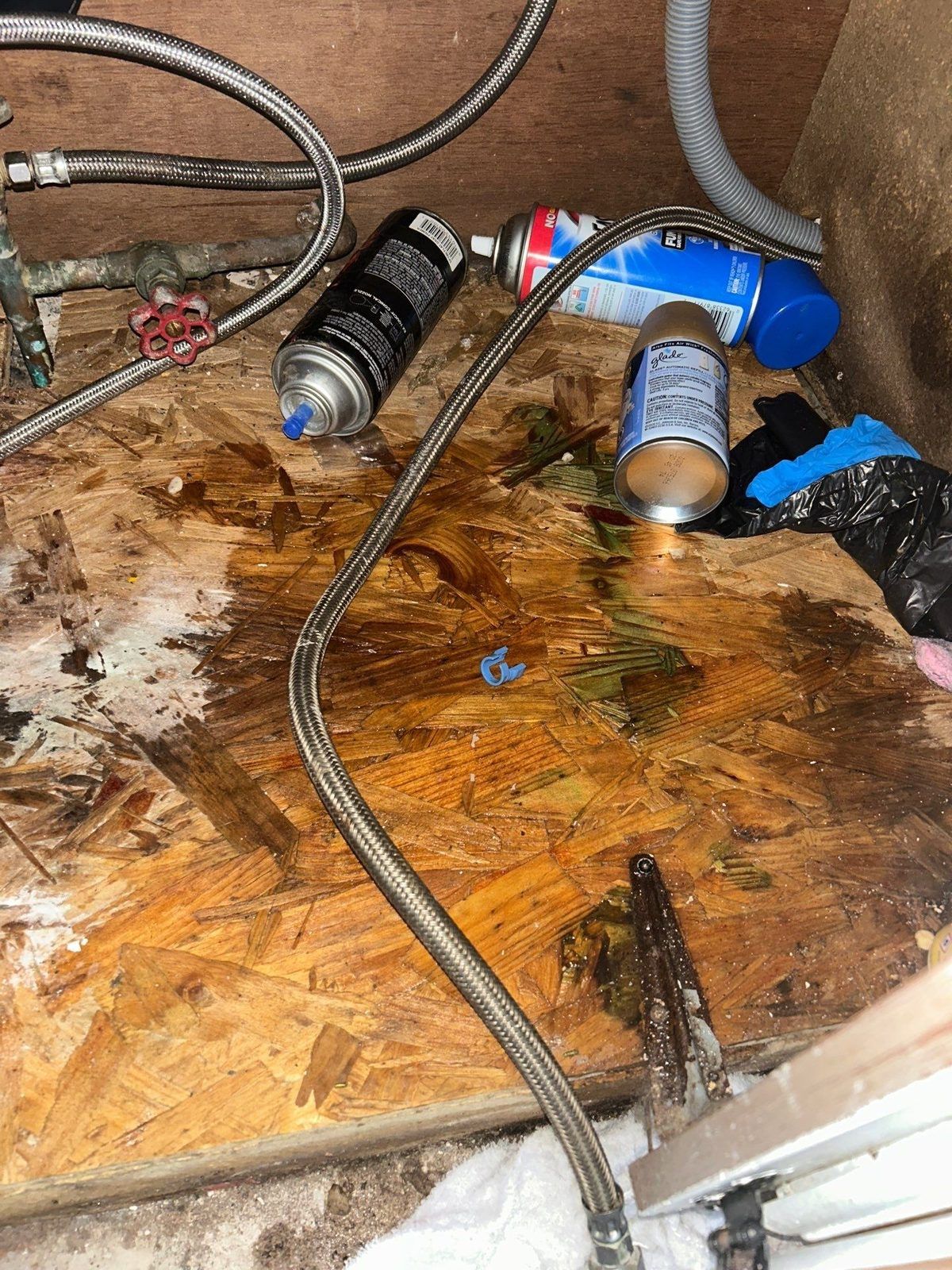
- Swollen baseboards or cabinet bottoms, especially under the kitchen or bathroom sink
- Mold spots on walls, ceilings, caulk or the back of a cabinet
- A higher water bill than usual with no change in how you use water
- The sound of running or dripping water when nothing is on
- A warm spot on the floor, which can point to a hot-water line leaking under a slab
Where slow leaks usually hide
- Under sinks: supply line connections, shutoff valves, the drain trap and the garbage disposal
- Behind walls: pipe joints and pinhole leaks in supply lines, shower valves, and the drain behind a washing machine
- Under floors: a failed wax ring under a toilet, a leaking tub or shower drain, or cracked tile and grout in the shower letting water into the subfloor
- Appliances: the dishwasher, refrigerator ice-maker line, washing machine hoses and the water heater
- Ceilings: a bathroom or plumbing above, or condensation from an air handler or HVAC drain line in the attic
How to check for a leak with your water meter
If your home is on public water, your meter can tell you if water is escaping somewhere.
- Turn off every faucet and water-using appliance in the house, inside and out. Make sure the washer, dishwasher, ice maker and irrigation aren't running.
- Find your water meter and write down the reading, or look for the small leak indicator (often a little triangle or dial).
- Don't use any water for 1 to 2 hours, then check the meter again.
- If the reading changed or the leak indicator is moving, water is leaking somewhere. Call a plumber to find it.
If you're on a private well, a well pump that turns on by itself when no water is running can be a sign of a leak.
Step by step: what to do when you find one
- Stop the water. Close the shutoff valve for that fixture (under the sink or behind the toilet), or shut off the main water valve if you can't find the source.
- Watch for electrical hazards. If water is near outlets, light fixtures or the electric panel, turn off power to that area at the breaker panel, but only if you can reach it without standing in water.
- Take photos and video of the stains, the leak, the wet area and any damage before anything is cleaned up or opened. Your insurance company will want them.
- Call a plumber to find and repair the source. Ask for a written note of what failed.
- Call a water damage restoration company. A slow leak almost always leaves more wet material than you can see. MaxClean finds the full extent of the moisture with meters and thermal imaging and dries it properly: 732-539-2942.
- Report the damage to your insurance company and write down the claim number.
What NOT to do
- Don't paint over a stain or patch the drywall before the leak is fixed and the wall is confirmed dry. The stain comes back, and mold can keep growing behind it.
- Don't assume it's dry because the surface looks dry. Wall cavities, insulation and subfloors stay wet long after the surface dries.
- Don't tear into walls or ceilings yourself if you suspect mold behind them. Opening them up can spread mold spores through the house.
- Don't spray bleach on drywall or wood to "kill" mold. It doesn't fix the problem, and the mold comes back.
- Don't wait. The longer a leak runs, the more material gets damaged and the more likely mold becomes.
Why slow leaks lead to mold
Mold spores are everywhere, in the air of every home. All they need to grow is moisture and something to feed on, like drywall paper, wood and dust. Wet materials can start growing mold in 24 to 48 hours. A slow leak is the perfect setup: it keeps the same spot damp for weeks or months, in a dark wall or floor cavity where nobody sees it. By the time a stain or musty smell shows up, mold may already be growing on the back of the drywall, on the framing or under the flooring. Constant moisture can also rot wood subfloors and framing over time.
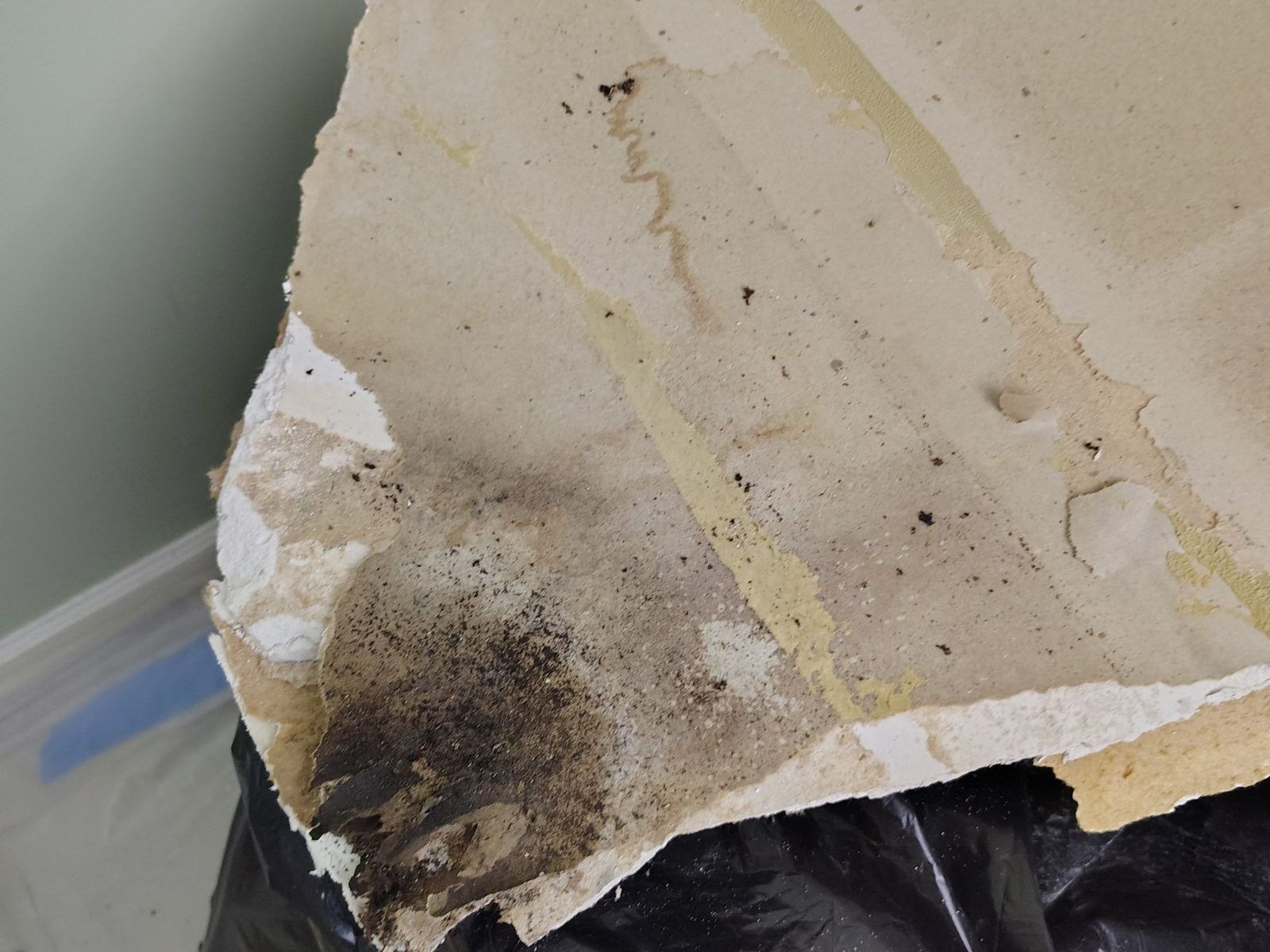
That's why the moisture source has to be fixed first. Mold will keep coming back if the leak isn't stopped and the materials aren't fully dried. If you see or smell mold, see our guide to finding mold in your home.
How MaxClean finds and fixes leak damage
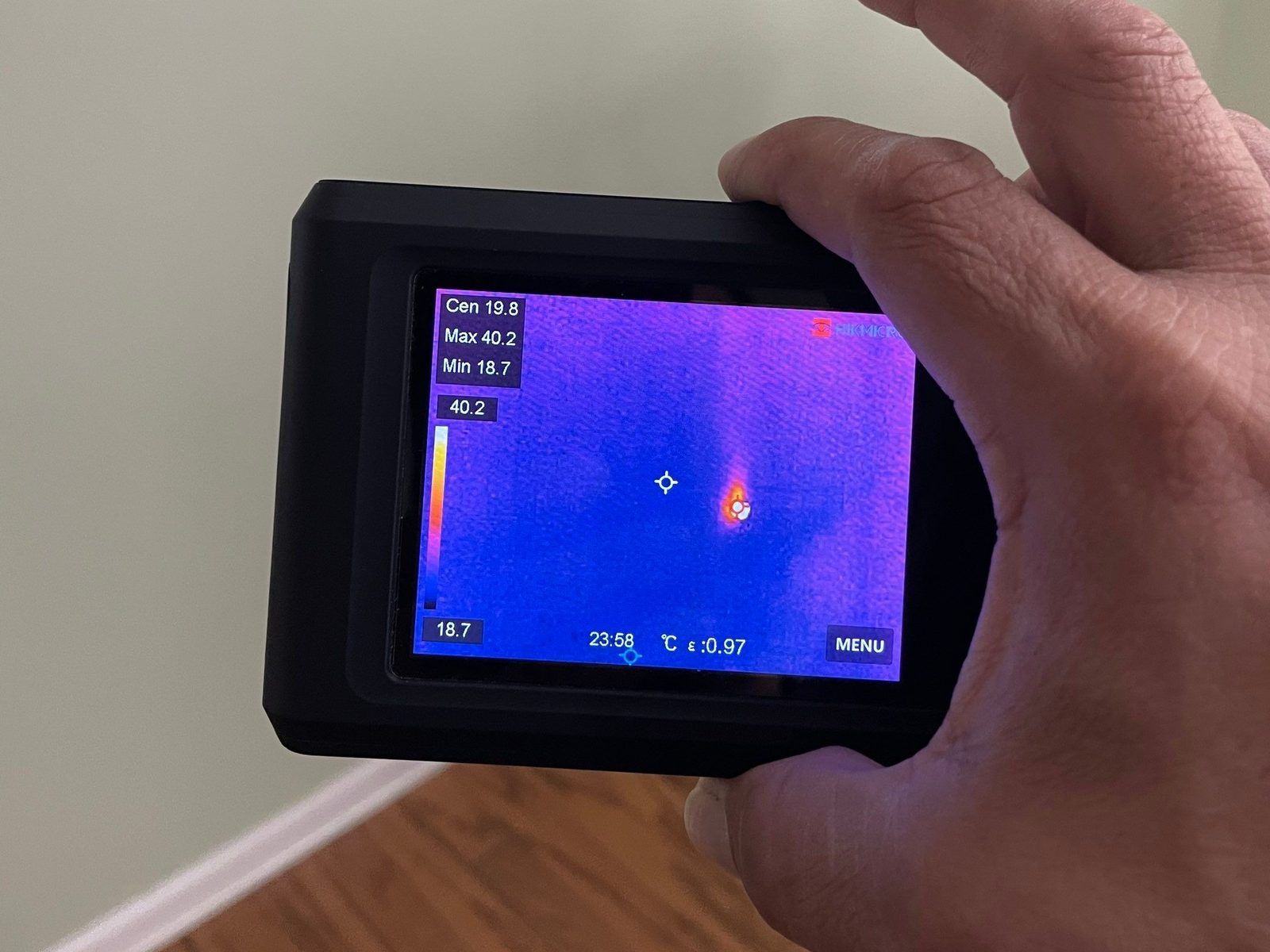
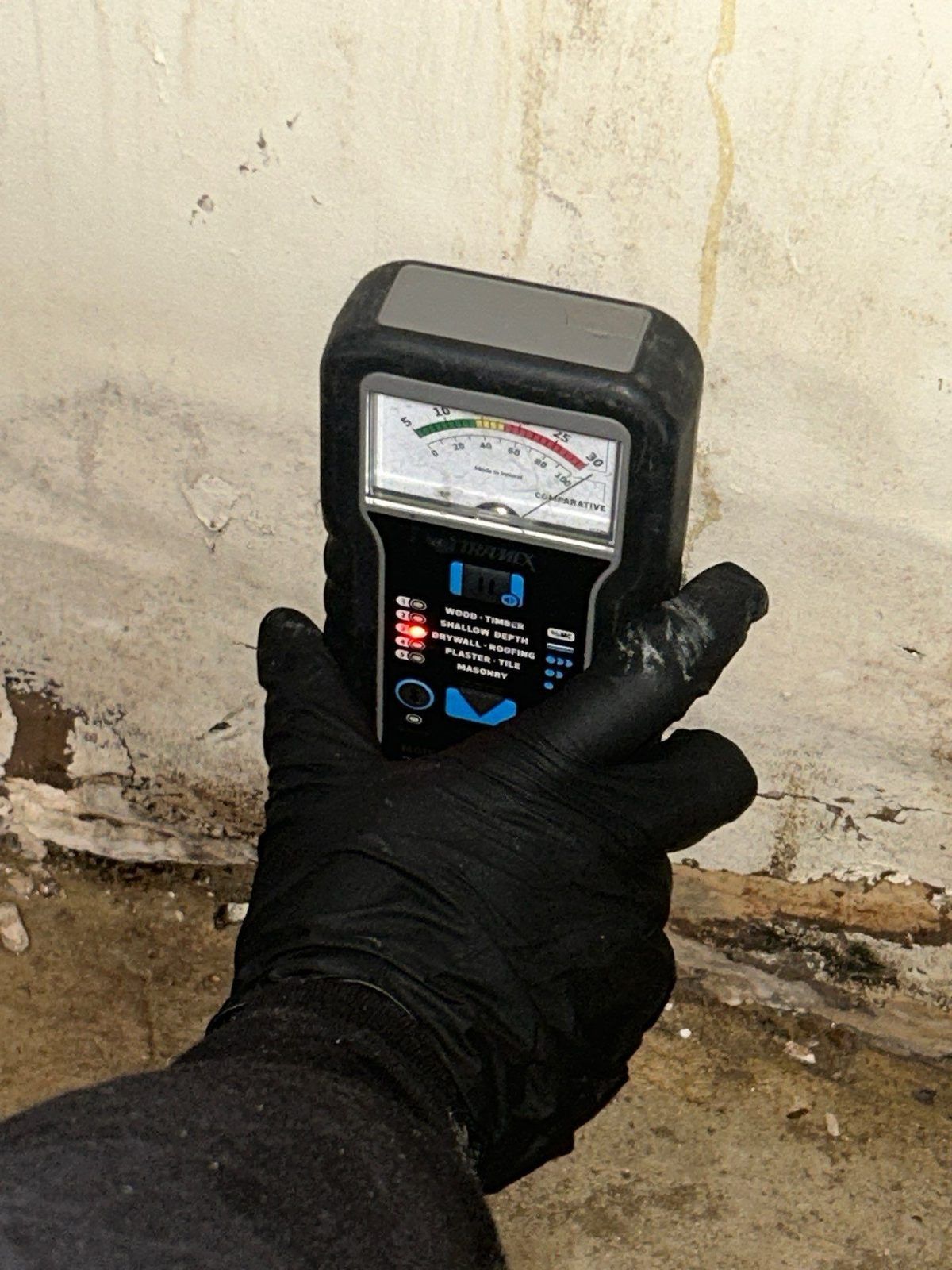
- Finding the full extent: our IICRC-certified technicians use moisture meters and thermal imaging cameras to map where the water spread inside walls, ceilings and floors. A thermal camera shows temperature differences, so we confirm every spot with a moisture meter.
- Documenting it: photos and moisture readings are taken before and during the work, so your adjuster can see what happened. Our guide to moisture maps and drying logs explains what those records show.
- Removing what can't be saved: wet insulation, swollen drywall and ruined flooring are cut out and removed.
- Drying: dehumidifiers and air movers dry the structure, with moisture readings every day until the wet materials match dry materials elsewhere in your home, following the IICRC S500 standard.
- Mold remediation, if it's needed: if mold has grown, the area is contained with plastic barriers and air filtration so spores don't spread, moldy materials are removed, and the area is cleaned, following the IICRC S520 standard. Learn more on our mold remediation page.
Working with your insurance
Your insurance company will want to know when you found the leak, what caused it and how long it may have been going on, so report it as soon as you find it and keep the plumber's note. Policies vary, so check your policy and talk to your insurance agent.
We send the invoice to your insurance carrier on your behalf, but the invoice is still the homeowner's responsibility. That includes your deductible and anything your carrier doesn't pay.
In New Jersey, homeowners usually have the right to choose their own restoration contractor. We specialize in working with both homeowners and insurance companies to make sure the work is properly documented for your claim, so your home gets back to its pre-loss condition.
Learn more on our water damage restoration page or our insurance claims page.
This guide is general information, not legal or insurance advice.
Printable checklist
Found a Slow or Hidden Leak: Checklist
- ☐ Water shut off at the fixture valve or the main
- ☐ Power off to wet areas (only if the panel is safe to reach)
- ☐ Photos and video of stains, the leak and the wet area
- ☐ Plumber called to find and repair the source
- ☐ No painting, patching or opening walls until it's confirmed dry
- ☐ Restoration company called to check moisture inside walls and floors
- ☐ Insurance claim reported and number written down
- ☐ Someone 18 or older ready to let technicians in on the first visit
- ☐ MaxClean Restoration 24/7: 732-539-2942
Frequently asked questions
How do I know if I have a hidden water leak? Look for stains on ceilings or walls, bubbling paint, a musty smell, warped or soft floors, swollen baseboards or cabinet bottoms, and a water bill that's higher than usual. You can also turn off all water in the house and watch your water meter for 1 to 2 hours. If it moves, water is leaking somewhere.
Can a slow leak cause mold? Yes. A slow leak keeps the same materials damp for weeks or months, and wet materials can start growing mold in 24 to 48 hours. Mold often grows inside the wall or under the floor before you see any sign of it.
Is it OK to just paint over a water stain? Not until the leak is fixed and the area is confirmed dry with a moisture meter. If you paint over a wet spot, the stain usually comes back, and mold can keep growing behind it.
How do you find a leak behind a wall without tearing it open? We use moisture meters and thermal imaging cameras to find wet areas inside walls, ceilings and floors. That shows us where the water went, so only the damaged materials need to be opened up.
Does homeowners insurance cover a slow leak? Policies vary, so check your policy or ask your agent, and report the leak as soon as you find it. We send the invoice to your insurance carrier on your behalf, but the invoice is still the homeowner's responsibility. That includes your deductible and anything your carrier doesn't pay.
What if I can't be home when you arrive? Someone 18 or older needs to let our technicians in on the first visit. We're usually on site in about an hour near Freehold, and in about 2 hours in Lacey, Stafford, Barnegat and Little Egg Harbor.
Need help right now? Call MaxClean Restoration at 732-539-2942 Open 24/7 in Monmouth, Ocean and Middlesex counties. We're usually on site in about an hour near Freehold, and in about 2 hours in Lacey, Stafford, Barnegat and Little Egg Harbor.
Related guides: Found mold in your home · Burst pipe: what to do in the first hour · Water coming through the ceiling · Wet hardwood floors · Moisture maps and drying logs explained · The insurance claim process, step by step · Water damage restoration · All guides
MaxClean Restoration, 11 Bannard Street, Freehold, NJ · IICRC Certified Firm · NJ HIC #13VH12188600 Open 24/7 across Monmouth, Ocean and Middlesex counties. Usually on site in about an hour near Freehold, and in about 2 hours in Lacey, Stafford, Barnegat and Little Egg Harbor.