

Wet Hardwood Floors: What to Do
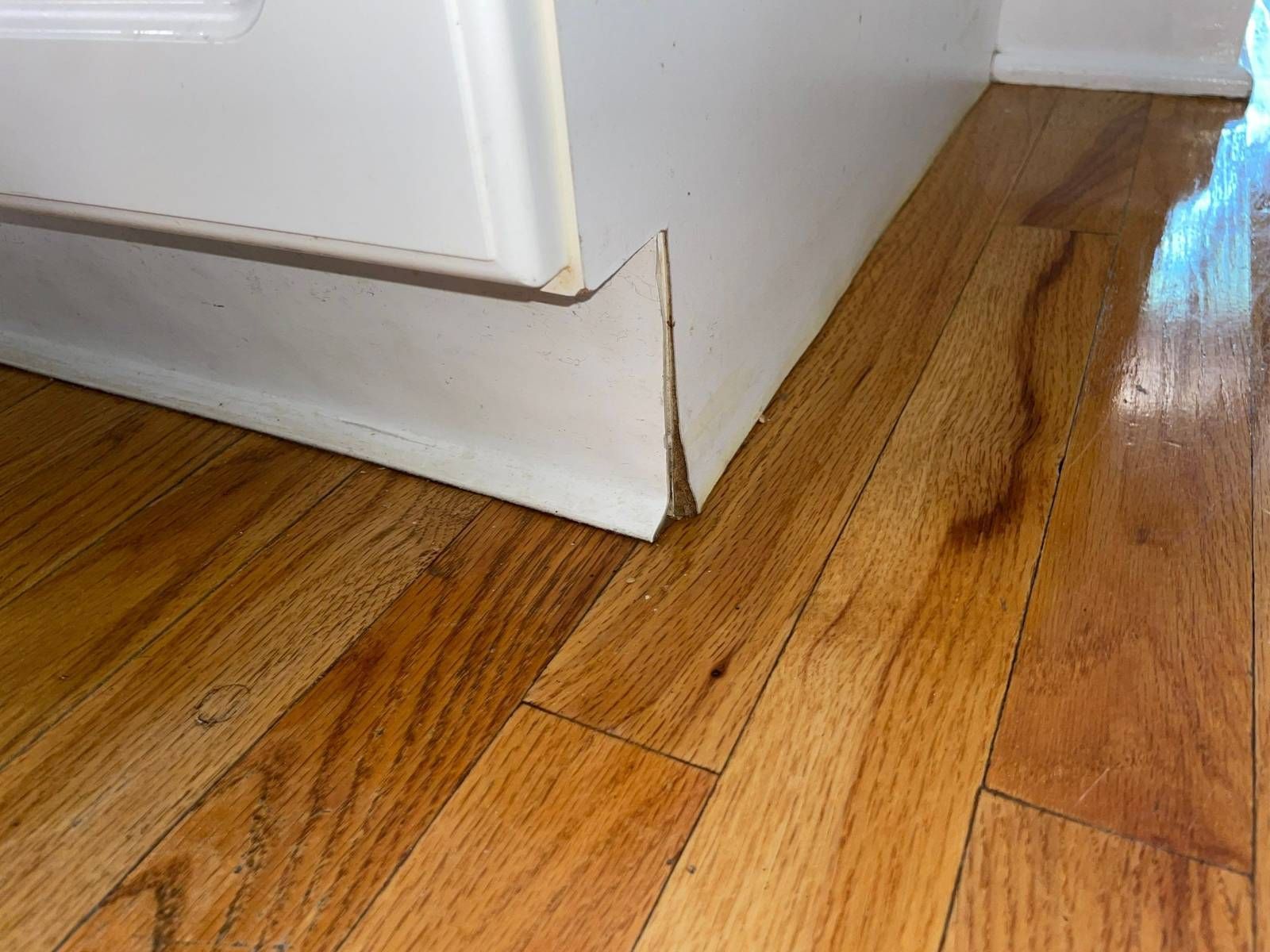
Hardwood soaks up water fast. Water runs into the seams between boards, gets under them into the subfloor, and the wood swells. Within a day or two the boards can start to cup or buckle. The good news is that many hardwood floors can be saved if the water is stopped quickly and the floor is dried the right way, with moisture readings to prove it's dry. Here's what to do. (If the water came from a pipe, appliance or the ceiling, also see our burst pipe guide, toilet or appliance overflow guide or water through the ceiling guide.)
Need help right now? Call or text MaxClean Restoration at 732-539-2942 · Text us Open 24/7 in Monmouth, Ocean and Middlesex counties. We're usually on site in about an hour near Freehold, and in about 2 hours in Lacey, Stafford, Barnegat and Little Egg Harbor.
Step by step: what to do right now
- Stop the water. Shut off the fixture's valve or the main water shutoff. If water is near outlets, cords or electronics, turn off power to that area at the breaker panel, but only if you can reach the panel without standing in water.
- Get the standing water up right away. Use a wet/dry vacuum, a mop or towels. Water sitting on the surface keeps soaking into the seams and the subfloor every minute it stays there.
- Blot, then pick the towels up. Don't leave wet towels on the floor. They hold water against the wood.
- Move furniture and rugs off the wet floor. Put foil or plastic under furniture legs you can't move so they don't stain the wood.
- Take photos and video of the water, the source and the floor before anything is moved or cleaned up. Your insurance company will want them.
- Call a water damage restoration company. The first 24 to 48 hours matter most for saving hardwood. MaxClean dries hardwood floors with specialized equipment and tracks moisture readings every day: 732-539-2942.
- Report the damage to your insurance company and write down the claim number.
What NOT to do
- Don't put rugs, mats or towels on top of a wet floor to "soak it up." They trap moisture in the wood and can stain the finish.
- Don't use heat guns, hair dryers or space heaters on the boards. Fast, uneven heat can crack, split and warp the wood.
- Don't sand, nail down or refinish cupped boards while they're still wet. Sanding a cupped floor too early can leave it crowned once it dries.
- Don't assume it's dry because the surface looks dry. The underside of the boards and the subfloor can still be wet.
- Don't wait to see if the boards flatten on their own. Wood that stays wet for days can grow mold underneath and pull loose from the subfloor.
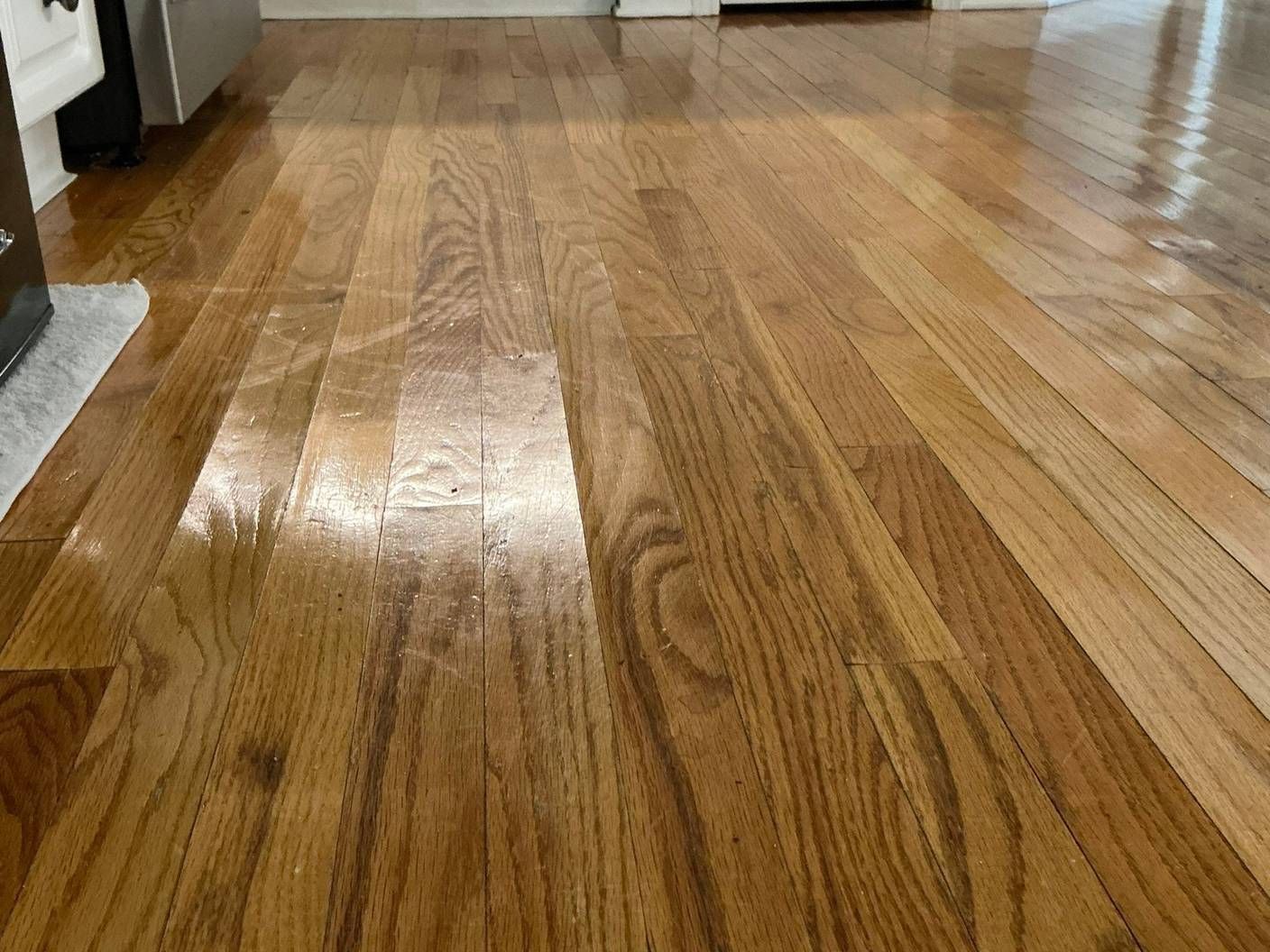
Cupping vs. crowning: what they mean
- Cupping is when the edges of each board sit higher than the middle, like a shallow "U." It usually means the bottom of the board is wetter than the top. Cupping often goes away, partly or fully, once the floor and subfloor are properly dried.
- Crowning is the opposite: the middle of each board sits higher than the edges. It usually happens when a cupped floor is sanded flat before it's dry, or when water stays on top of the boards. Crowning usually means the floor needs refinishing or replacing.
- Buckling is when boards lift right off the subfloor. That's the most serious kind of water damage to hardwood.
Why fast, professional drying can save your floor
Hardwood has to be dried slowly and evenly, from the bottom and the top. We use specialized hardwood floor drying mats that pull moisture up through the boards, along with dehumidifiers and air movers, and we dry the subfloor or basement ceiling below when we can reach it. Every day we take moisture readings on the wet boards and compare them with dry boards in an area the water didn't reach. The floor is dry when the wet area matches that dry reading, not when it looks dry. Most hardwood floors take several days to a couple of weeks to dry. Once they're dry, the boards often flatten back out, and many only need refinishing instead of replacing.
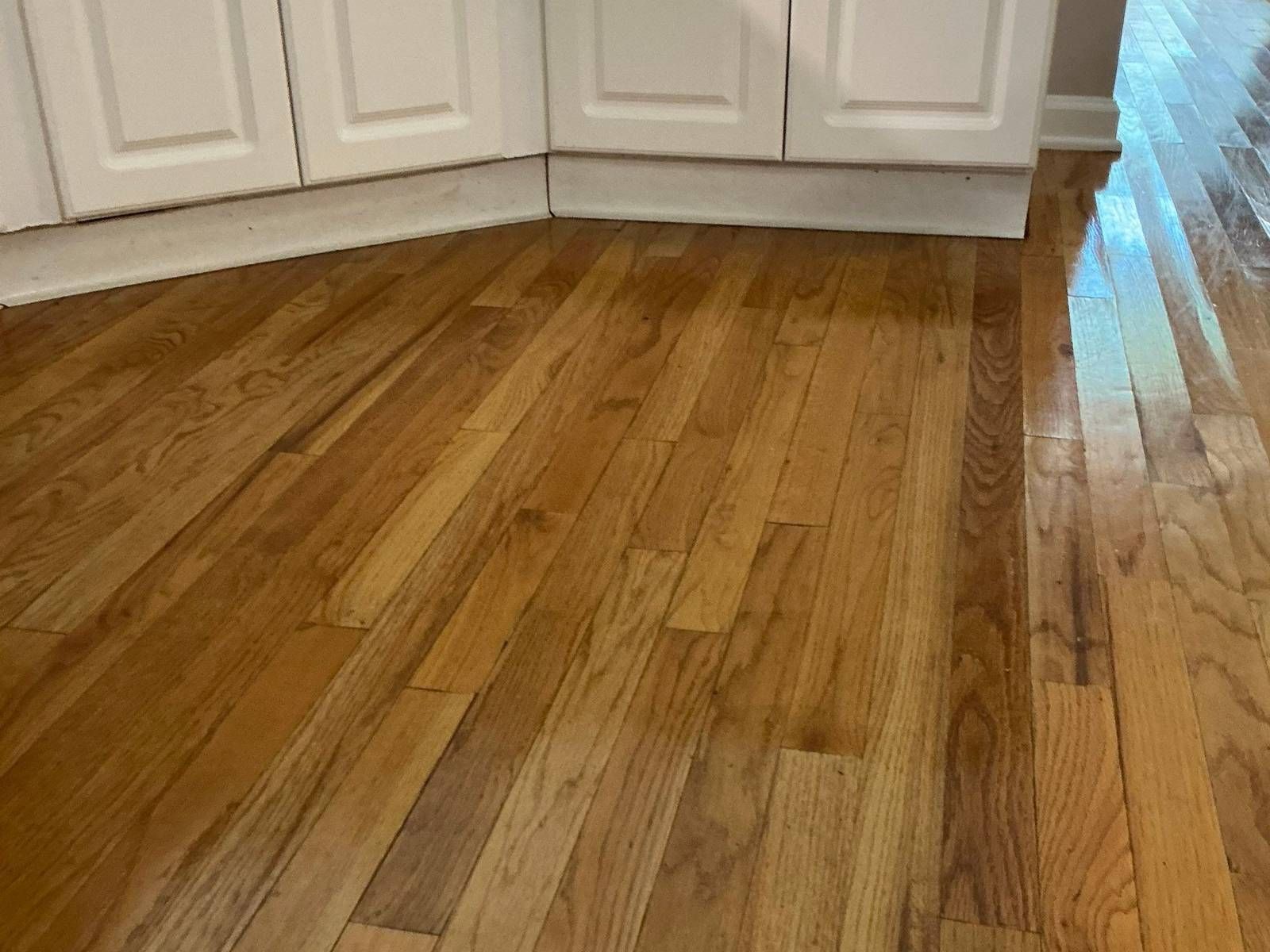
When boards need replacing
- The water was sewage or floodwater from outside. Contaminated wood can't be cleaned safely, so it has to come out.
- The boards are buckled, split, or have pulled loose from the subfloor.
- The boards are still badly cupped or crowned after they've been fully dried.
- It's engineered wood and the layers are separating, or it's laminate, which is a wood-look product that usually can't be dried and saved once water gets into its core.
- There's mold growth under the boards or on the subfloor.
- The floor stayed wet for too long before drying started.
Working with your insurance
We send the invoice to your insurance carrier on your behalf, but the invoice is still the homeowner's responsibility. That includes your deductible and anything your carrier doesn't pay.
In New Jersey, homeowners usually have the right to choose their own restoration contractor. We specialize in working with both homeowners and insurance companies to make sure the work is properly documented for your claim, so your home gets back to its pre-loss condition.
Learn more on our insurance claims page or our water damage restoration page.
Printable checklist
Wet Hardwood Floors: What to Do: Checklist
- ☐ Water shut off at the fixture or main
- ☐ Power off to wet areas (only if the panel is safe to reach)
- ☐ Standing water picked up, wet towels removed
- ☐ Furniture and rugs moved off the floor
- ☐ No heat guns, space heaters or rugs on the wet boards
- ☐ Photos and video of the water, source and floor
- ☐ Restoration company called within the first 24 to 48 hours
- ☐ Insurance claim reported and number written down
- ☐ MaxClean Restoration 24/7: 732-539-2942
Frequently asked questions
Can wet hardwood floors be saved? Often, yes, especially if drying starts within the first day or two and the water was clean. Hardwood floor drying mats, dehumidifiers and daily moisture readings let us dry the boards in place. Floors soaked by sewage or outside floodwater, and boards that have buckled or split, usually need to be replaced.
My boards are cupping. Should I sand them flat? No, not yet. Cupping usually means the bottom of the boards is still wet. If you sand them flat now, the boards can crown once they dry. Dry the floor first, confirm it with moisture readings, and give it time to settle. Then a flooring contractor can decide whether it needs sanding and refinishing.
How long does it take to dry a hardwood floor? Usually several days to a couple of weeks, depending on how much water got in, the type of wood and the subfloor underneath. We take moisture readings every day and stop drying only when the wet boards match the readings on dry boards elsewhere in the house.
Does homeowners insurance cover water-damaged hardwood floors? Coverage depends on your policy, so check your policy or ask your agent. We send the invoice to your insurance carrier on your behalf, but the invoice is still the homeowner's responsibility. That includes your deductible and anything your carrier doesn't pay.
Can I choose my own restoration contractor for water-damaged floors? In New Jersey, homeowners usually have the right to choose their own restoration contractor. We specialize in working with both homeowners and insurance companies to make sure the work is properly documented for your claim, so your home gets back to its pre-loss condition.
Get ready before it happens: build a free emergency plan for your home (shutoff locations, emergency contacts, maintenance reminders) at plan.maxcleanrestoration.com.
Need help right now? Call or text MaxClean Restoration at 732-539-2942 · Text us Open 24/7 in Monmouth, Ocean and Middlesex counties. We're usually on site in about an hour near Freehold, and in about 2 hours in Lacey, Stafford, Barnegat and Little Egg Harbor.
Related: water damage restoration · What happens on day 1 of water mitigation · All Resource Center guides · Insurance claim help · Free home emergency plan
MaxClean Restoration, 11 Bannard Street, Freehold, NJ · IICRC Certified Firm · NJ HIC #13VH12188600 Open 24/7 across Monmouth, Ocean and Middlesex counties. Usually on site in about an hour near Freehold, and in about 2 hours in Lacey, Stafford, Barnegat and Little Egg Harbor.