

Found Mold in Your Home? What to Do
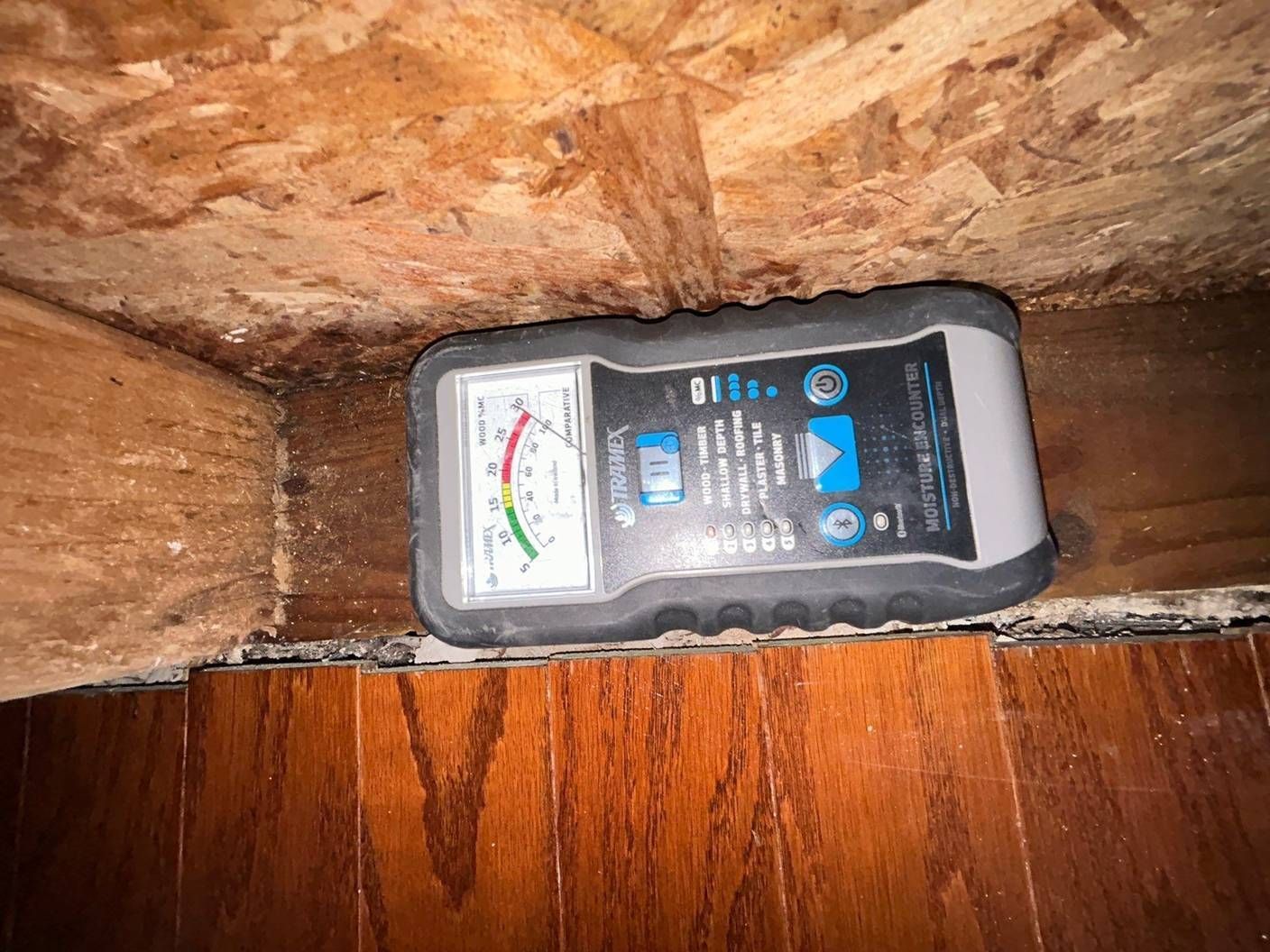
Mold grows wherever there's moisture: after a leak, in a damp basement, in a bathroom without good ventilation, or in an attic with a roof problem. Here's how to handle it safely.
Need help right now? Call or text MaxClean Restoration at 732-539-2942 · Text us Open 24/7 and usually on site within an hour in Monmouth, Ocean and Middlesex counties.
Step by step: what to do right now
- Find and fix the moisture source first. Mold always comes back if the leak, condensation or humidity problem isn't fixed.
- Measure the affected area. The EPA's general guideline is that a homeowner can usually clean up an area smaller than about 10 square feet (roughly 3 feet by 3 feet) on a hard surface. Anything larger should be handled by a professional.
- Protect yourself if you clean a small spot: an N95 mask, gloves and eye protection. Keep the area ventilated.
- Clean hard surfaces with detergent and water, then dry them completely.
- Throw out porous items that are moldy and can't be cleaned, like carpet pad, ceiling tiles or cardboard.
- Keep humidity below 50% with a dehumidifier, and run bathroom and kitchen fans.
- Call a professional for anything bigger, or for mold inside walls, in HVAC ducts or after a water loss. MaxClean is an IICRC Certified Firm: 732-539-2942.
What NOT to do
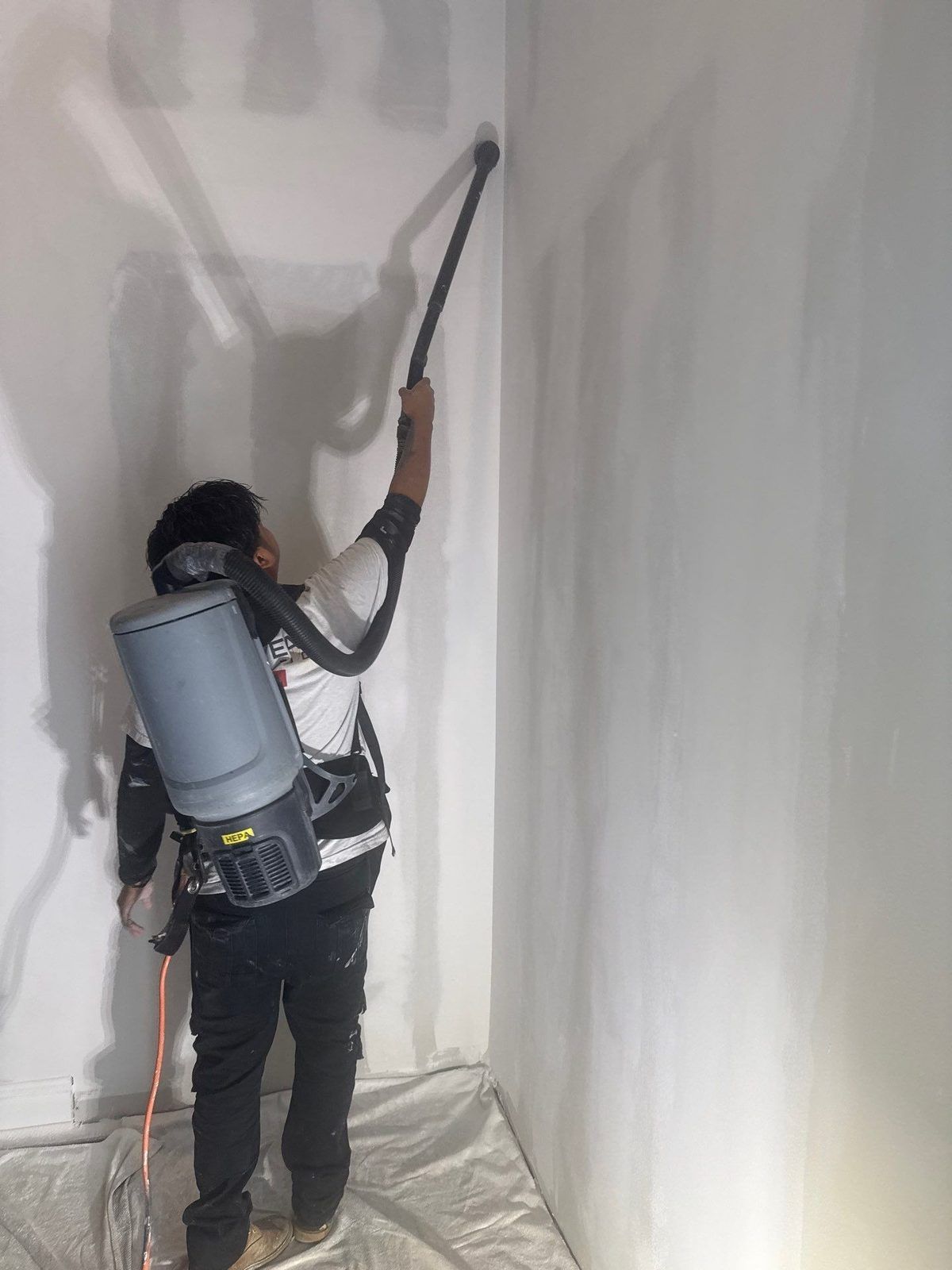
- Don't disturb large patches of mold. Scraping, sanding or dry brushing sends spores through the house.
- Don't run the HVAC if you suspect mold in the ducts.
- Don't just paint over mold or spray bleach on drywall or wood. It doesn't fix the problem and the mold returns.
- Don't ignore a musty smell. It often means hidden mold behind walls, under floors or in the attic.
- Don't let anyone with asthma, allergies or a weakened immune system help with cleanup.
When to call a professional
- The moldy area is larger than about 10 square feet.
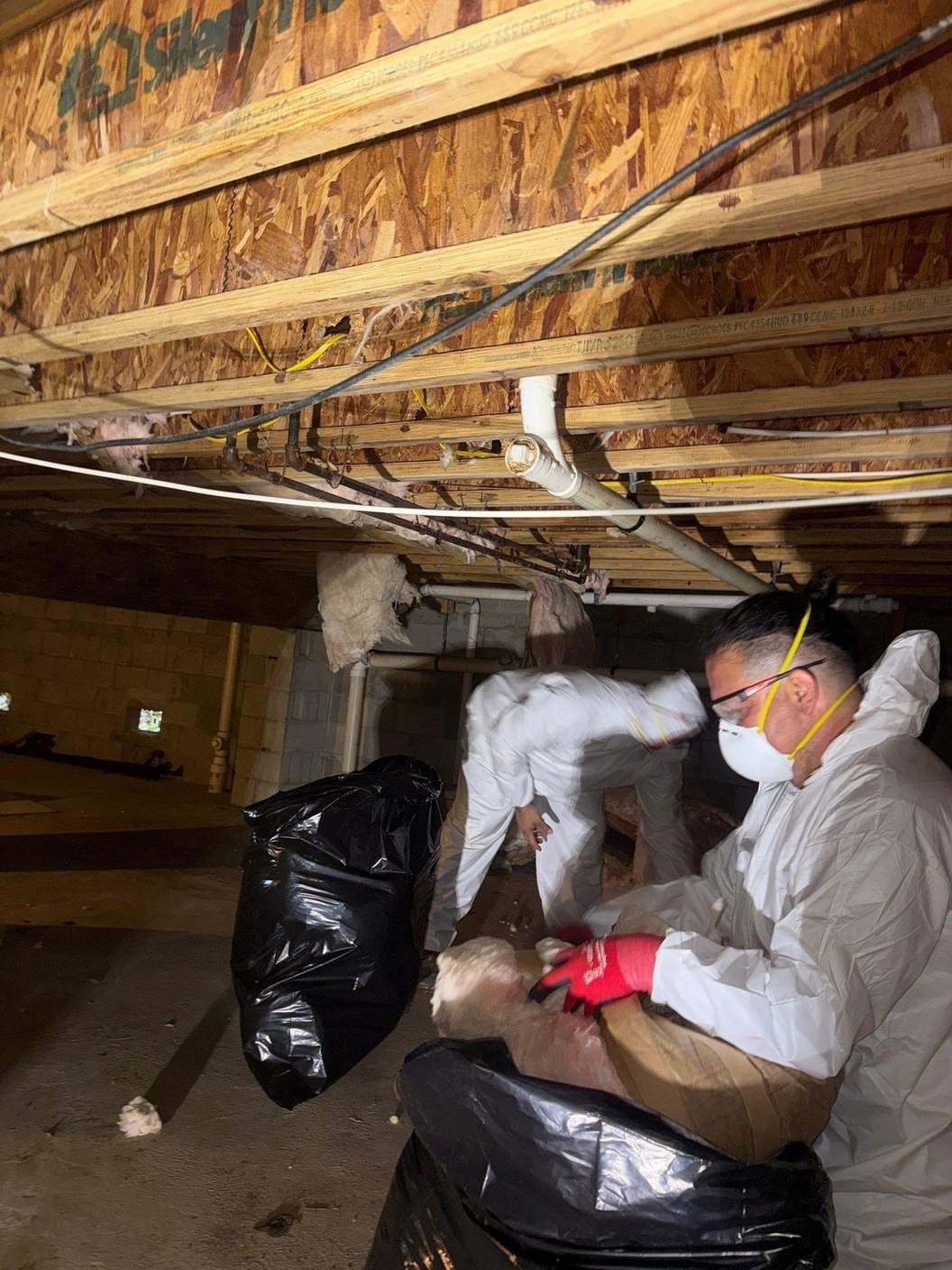
- Mold is inside walls, under flooring, in the attic or in HVAC ducts.
- It followed a leak, flood or sewage backup.
- Someone in the home has health concerns.
- You're buying or selling a home and need documented remediation.
Working with your insurance
We work directly with your insurance company and send the invoice to your carrier for you; you're responsible for your deductible and anything your policy doesn't cover.
In New Jersey, homeowners usually have the right to choose their own restoration contractor. We specialize in working with both homeowners and insurance companies to make sure the work is properly documented and covered, so your home gets back to its pre-loss condition.
Learn more on our insurance claims page or our mold remediation page.
Printable checklist
Found Mold in Your Home? What to Do: Checklist
- ☐ Moisture source found and fixed
- ☐ Size of the area measured (more than 10 sq ft? Call a pro)
- ☐ N95 mask, gloves and goggles on for small cleanups
- ☐ Hard surfaces cleaned and dried
- ☐ Moldy porous items bagged and thrown out
- ☐ Dehumidifier set below 50%
- ☐ Photos taken for your records
- ☐ Professional called for large or hidden mold
- ☐ MaxClean Restoration 24/7: 732-539-2942
Frequently asked questions
Is all mold dangerous? Any mold can cause reactions in sensitive people, such as allergies, asthma flare-ups and irritation. The color doesn't tell you how harmful it is. Large or hidden growth should be handled by a professional using containment and HEPA filtration.
Does homeowners insurance cover mold removal? Coverage depends on your policy, so check your policy or ask your agent. We work directly with your insurance company and send the invoice to your carrier for you; you're responsible for your deductible and anything your policy doesn't cover.
How long does mold remediation take? Most residential jobs take 1 to 5 days, depending on the size of the area and how much material has to be removed and rebuilt.
Will bleach kill mold? Bleach may lighten mold on hard, non-porous surfaces, but it doesn't soak into drywall or wood, where the roots are. Fixing the moisture and removing affected porous materials is what works.
Can I choose my own mold remediation company? In New Jersey, homeowners usually have the right to choose their own restoration contractor. We specialize in working with both homeowners and insurance companies to make sure the work is properly documented and covered, so your home gets back to its pre-loss condition.
Get ready before it happens: build a free emergency plan for your home (shutoff locations, emergency contacts, maintenance reminders) at plan.maxcleanrestoration.com.
Need help right now? Call or text MaxClean Restoration at 732-539-2942 · Text us Open 24/7 and usually on site within an hour in Monmouth, Ocean and Middlesex counties.
Related: mold remediation · All Resource Center guides · Insurance claim help · Free home emergency plan
MaxClean Restoration, 11 Bannard Street, Freehold, NJ · IICRC Certified Firm · NJ HIC #13VH12188600 Open 24/7 and usually on site within an hour across Monmouth, Ocean and Middlesex counties.