

The Home Insurance Claim Process, Step by Step
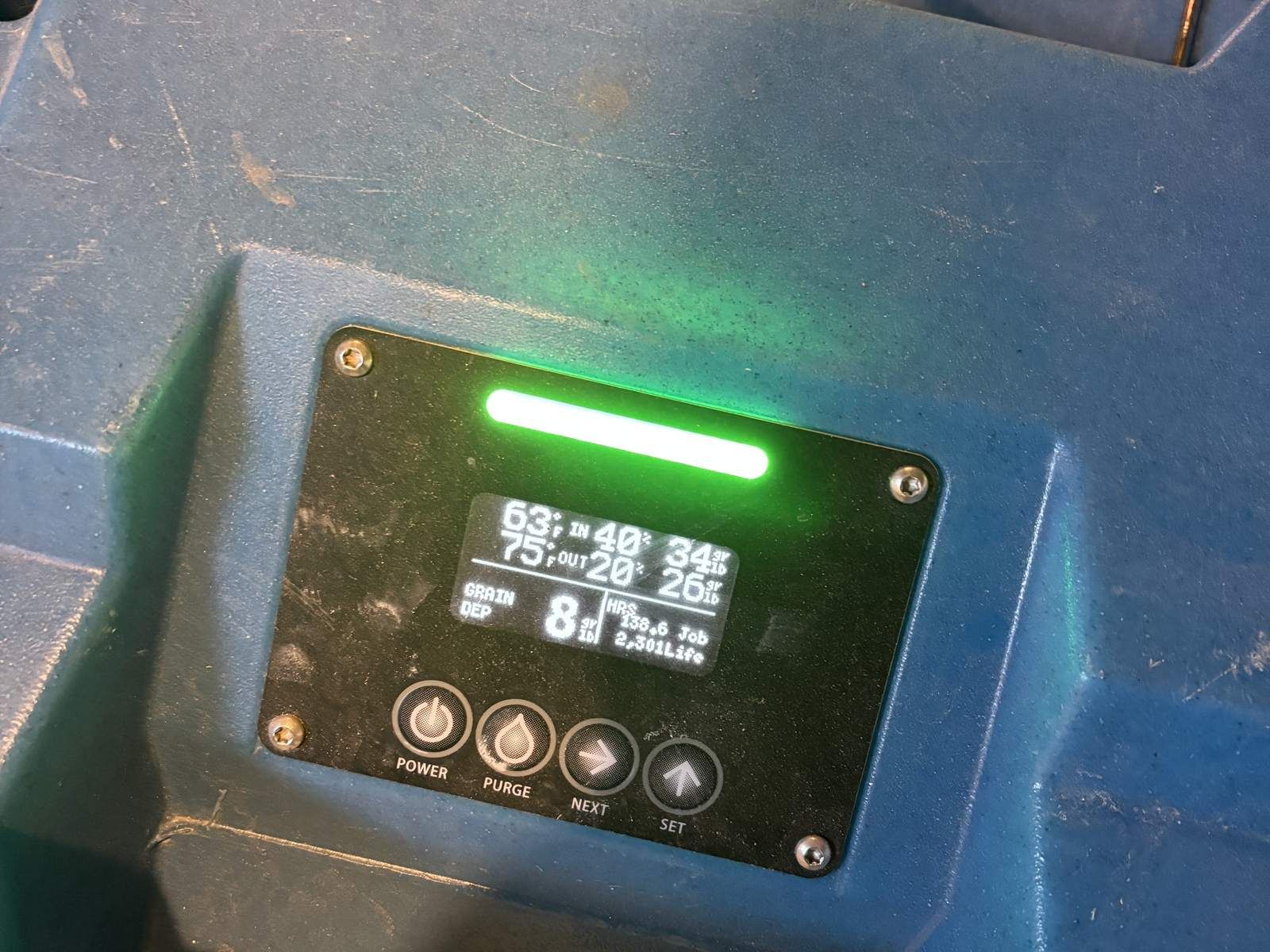
If you've never filed a homeowners insurance claim, the process can feel confusing at the worst possible time. Every insurance company and policy is a little different, but most property damage claims follow the same basic steps. This guide walks you through them so you know what to expect and what to keep track of. It's general information, not legal advice. For questions about your specific policy, talk to your insurance agent or company.
Need help right now? Call or text MaxClean Restoration at 732-539-2942 · Text us Open 24/7 and usually on site within an hour in Monmouth, Ocean and Middlesex counties.
Safety first
Before you think about the claim, make sure everyone is safe:
- Get people and pets out of any area with standing water near electricity, sagging ceilings, smoke, or a gas smell.
- Call 911 for fires, injuries, gas leaks or downed power lines.
- Shut off the water main if a pipe or appliance is leaking, and turn off power to wet areas only if you can do it without standing in water.
Your safety comes first. The paperwork can wait a few minutes.
Step by step: the claim process
- Stop the damage from getting worse. Shut off the water, cover openings and call for emergency help. Ask your insurance company what they expect from you to protect the home after a loss.
- Document everything before cleanup. Take photos and video of every affected room, the source of the damage (the broken pipe, the tree, the appliance) and damaged belongings. Get close-ups and wide shots.
- Report the claim. Call your insurance company or use their app or website. Write down your claim number, the date you reported it, and the name and phone number of your adjuster when one is assigned.
- Find your policy. Locate your declarations page and policy documents (your agent can send copies). If you have questions about what your policy includes, ask your agent or insurance company.
- Choose your restoration contractor. In New Jersey, homeowners usually have the right to choose their own restoration contractor. Pick a company with the right certifications and experience, like an IICRC Certified Firm.
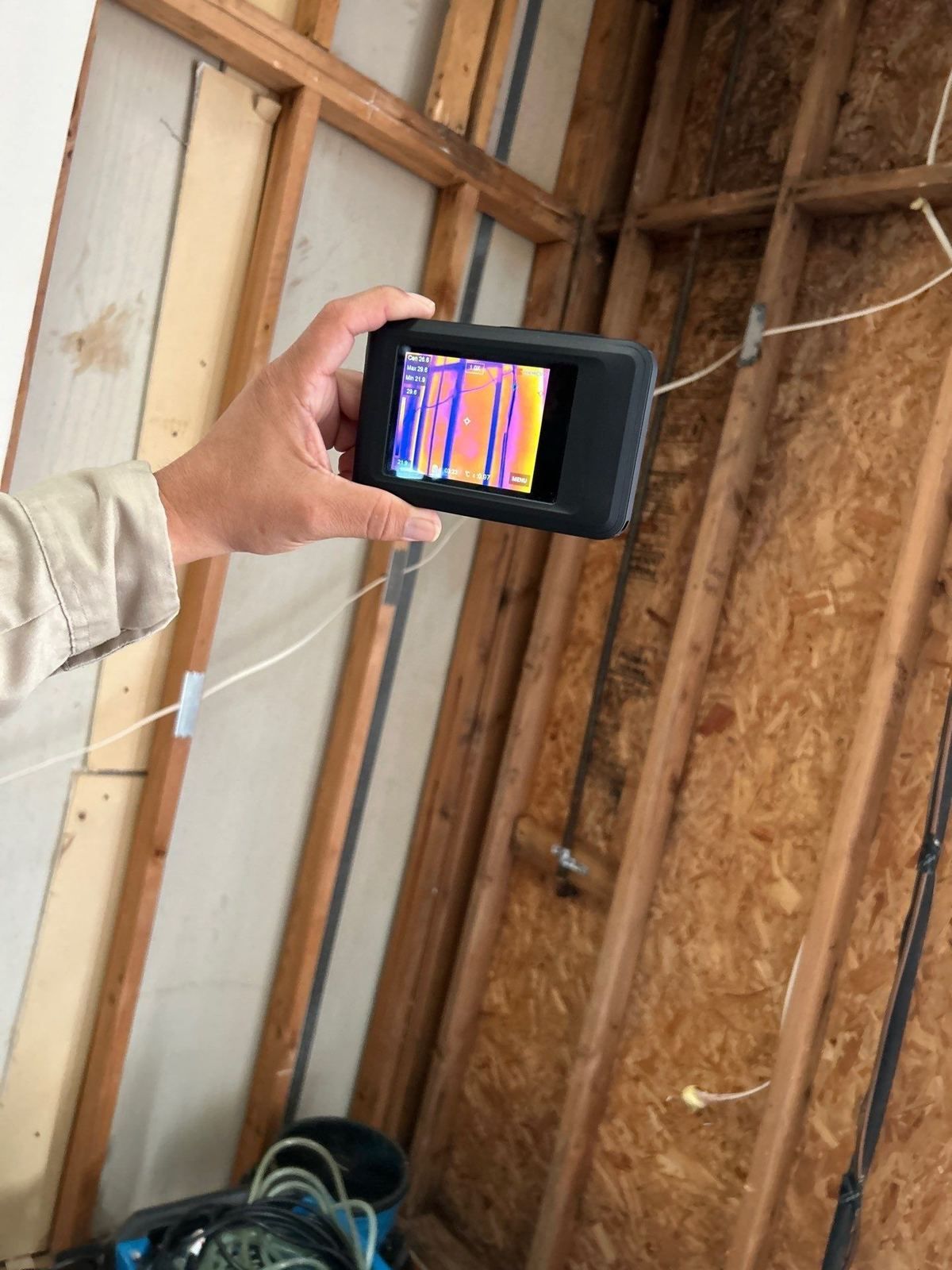
- Emergency mitigation begins. The restoration company stops the damage from spreading: extracting water, drying the structure, tarping, boarding up or cleaning soot. They should document the conditions as they go, with photos, moisture readings and notes. See what happens on day 1 of water mitigation.
- Meet the adjuster. Your insurance company may send an adjuster to inspect the damage, or handle it with photos and documents. Be there if you can, share your photos and list of damaged items, and ask what happens next. Your contractor can usually meet the adjuster too.
- Make a list of damaged belongings. Write down each item, roughly how old it is, and where you bought it. Find receipts, bank or card statements, and old photos that show your belongings.
- Keep receipts and a log. Save receipts for anything you pay for because of the damage, like hotel stays, meals, tarps, fans or supplies. Keep a simple log of every call and email: date, who you talked to and what was said.
- Repairs and reconstruction. Once the home is dry and clean, rebuilding can begin. See what to expect during reconstruction.
- Final walk-through. Walk through the finished work with your contractor, make sure everything on the punch list is done, and keep copies of all paperwork for your records.
What NOT to do
- Don't wait to report the damage. Call your insurance company as soon as everyone is safe.
- Don't throw away damaged materials or belongings before they've been photographed and documented.
- Don't make permanent repairs before the damage has been documented, unless it's needed for safety. Temporary repairs like tarping and boarding up are different.
- Don't sign anything you don't understand. Ask questions, and take time to read paperwork before you sign.
- Don't guess or exaggerate when describing the damage. Stick to what you saw and what you documented.
- Don't lose track of paperwork. Keep everything in one folder or one email label.
What MaxClean does
- Responds fast, 24/7, usually on site within an hour in Monmouth, Ocean and Middlesex counties, to stop the damage.
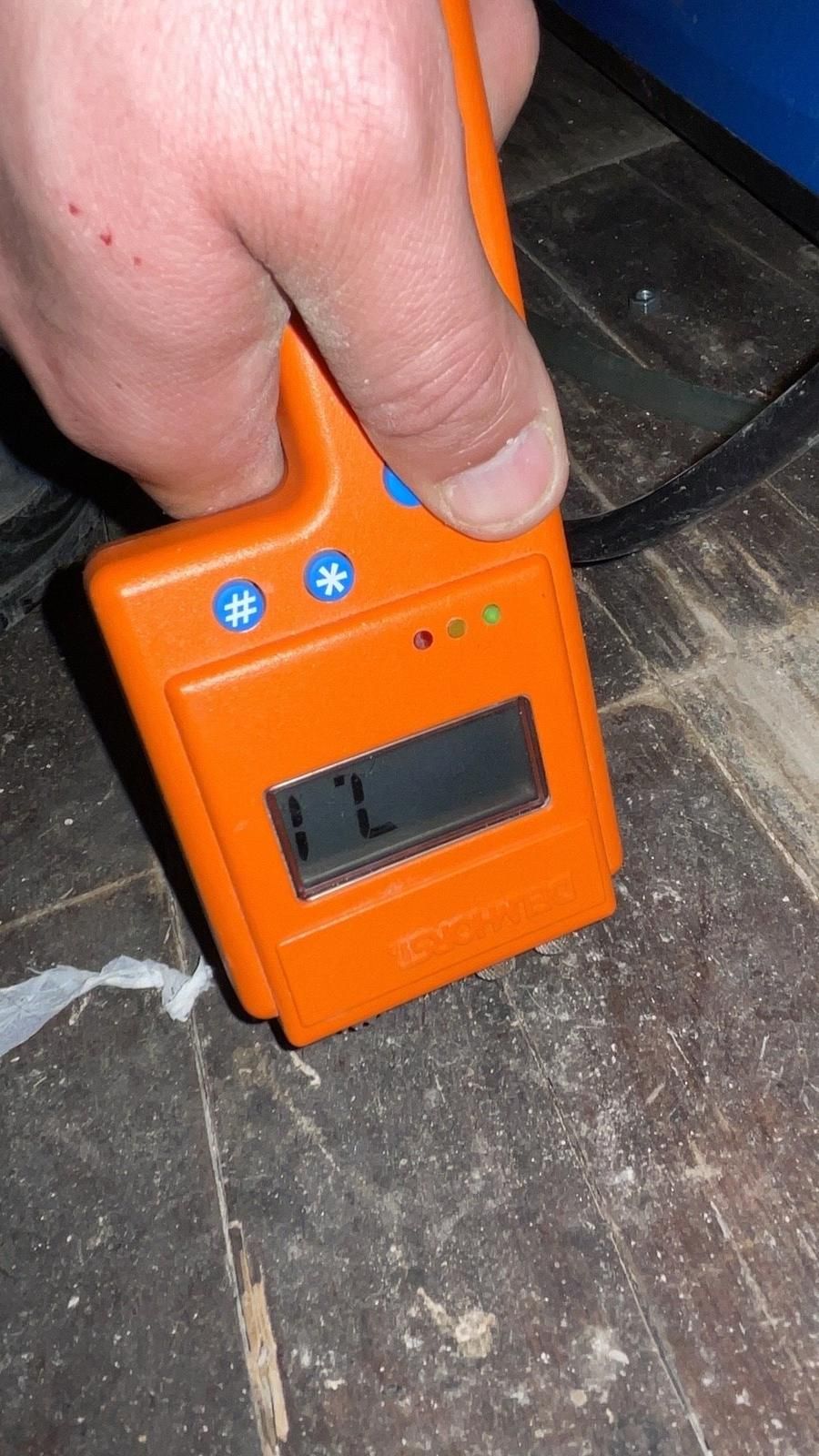
- Documents the damage thoroughly with photos, moisture readings, drying logs and detailed notes, following IICRC standards.
- Meets with your adjuster and answers their questions about the work.
- Explains the process before work starts, so you know what's happening and why.
- Handles everything from emergency to rebuild: water, fire, smoke, mold, storm and sewage cleanup, then reconstruction.
Learn more on our insurance claims page.
Working with your insurance
We work directly with your insurance company and send the invoice to your carrier for you; you're responsible for your deductible and anything your policy doesn't cover.
In New Jersey, homeowners usually have the right to choose their own restoration contractor. We specialize in working with both homeowners and insurance companies to make sure the work is properly documented and covered, so your home gets back to its pre-loss condition.
Learn more on our insurance claims page.
When to call a professional
- Right after any water, fire, smoke, storm, sewage or mold damage, so the damage is stopped and documented early.
- When you're not sure how far the damage goes (water and smoke often travel farther than you can see).
- When you want help organizing photos, moisture records and documentation for your adjuster.
- When you have questions about your specific policy, call your insurance agent. For legal questions, talk to a qualified attorney.
Printable checklist
Insurance Claim: What to Keep Track Of
- ☐ Claim number: _ _____
- ☐ Date reported: _ _____
- ☐ Adjuster name and phone: _ _____
- ☐ Policy and declarations page located
- ☐ Photos and video of all damage (before cleanup)
- ☐ List of damaged belongings
- ☐ Receipts for extra costs (hotel, meals, supplies)
- ☐ Log of every call and email
- ☐ Restoration contractor: MaxClean Restoration 24/7, 732-539-2942
Frequently asked questions
How soon should I report damage to my insurance company? As soon as everyone is safe and the damage is under control. Reporting right away gets the process started and helps with documentation. Check your policy or ask your agent about any reporting deadlines.
Do I have to use the contractor my insurance company recommends? In New Jersey, homeowners usually have the right to choose their own restoration contractor. We specialize in working with both homeowners and insurance companies to make sure the work is properly documented and covered, so your home gets back to its pre-loss condition.
Can I start cleanup before the adjuster comes? In most cases you should take reasonable steps to stop the damage from getting worse, like shutting off water and starting drying. Photograph everything first. If you're unsure, ask your insurance company what they want you to do.
What should I photograph? Every affected room from several angles, close-ups of damage, the source of the damage, water lines on walls, damaged belongings, and model and serial number labels on damaged appliances and electronics.
How does billing work with MaxClean? We work directly with your insurance company and send the invoice to your carrier for you; you're responsible for your deductible and anything your policy doesn't cover.
Can MaxClean give me advice about my policy or a dispute? No. We're restoration professionals, not lawyers or insurance agents. For policy questions, talk to your insurance agent or company. For legal questions, talk to a qualified attorney.
Need help right now? Call or text MaxClean Restoration at 732-539-2942 · Text us Open 24/7 and usually on site within an hour in Monmouth, Ocean and Middlesex counties.
Related guides: What happens on day 1 of water mitigation · What to expect during reconstruction · Burst pipe: what to do in the first hour · After a house fire · All guides
MaxClean Restoration, 11 Bannard Street, Freehold, NJ · IICRC Certified Firm · NJ HIC #13VH12188600 Open 24/7 and usually on site within an hour across Monmouth, Ocean and Middlesex counties.