

What Is a Moisture Map and Drying Log? Understanding Your Water Damage Paperwork
Need help right now? Call or text MaxClean Restoration at 732-539-2942 · Text us Open 24/7 and usually on site within an hour in Monmouth, Ocean and Middlesex counties.
If you've had water damage, you've probably watched a technician press a meter against your walls, write numbers on tape, and come back every day to do it again. That's not busywork. Those readings decide when drying is done, and they're often the backbone of an insurance claim.
Why "Looks Dry" Isn't Dry
Drywall can feel dry to the touch while the bottom few inches and the framing behind it are still wet. Hardwood can look fine for a week and then cup. Moisture you can't see is what leads to mold, odors and warped materials later.
The Tools
Moisture meters
- Pin meters push two small pins into wood or drywall and measure the moisture content.
- Pinless meters scan behind the surface without damaging it. They're useful for mapping a wet area quickly.
Thermal imaging cameras
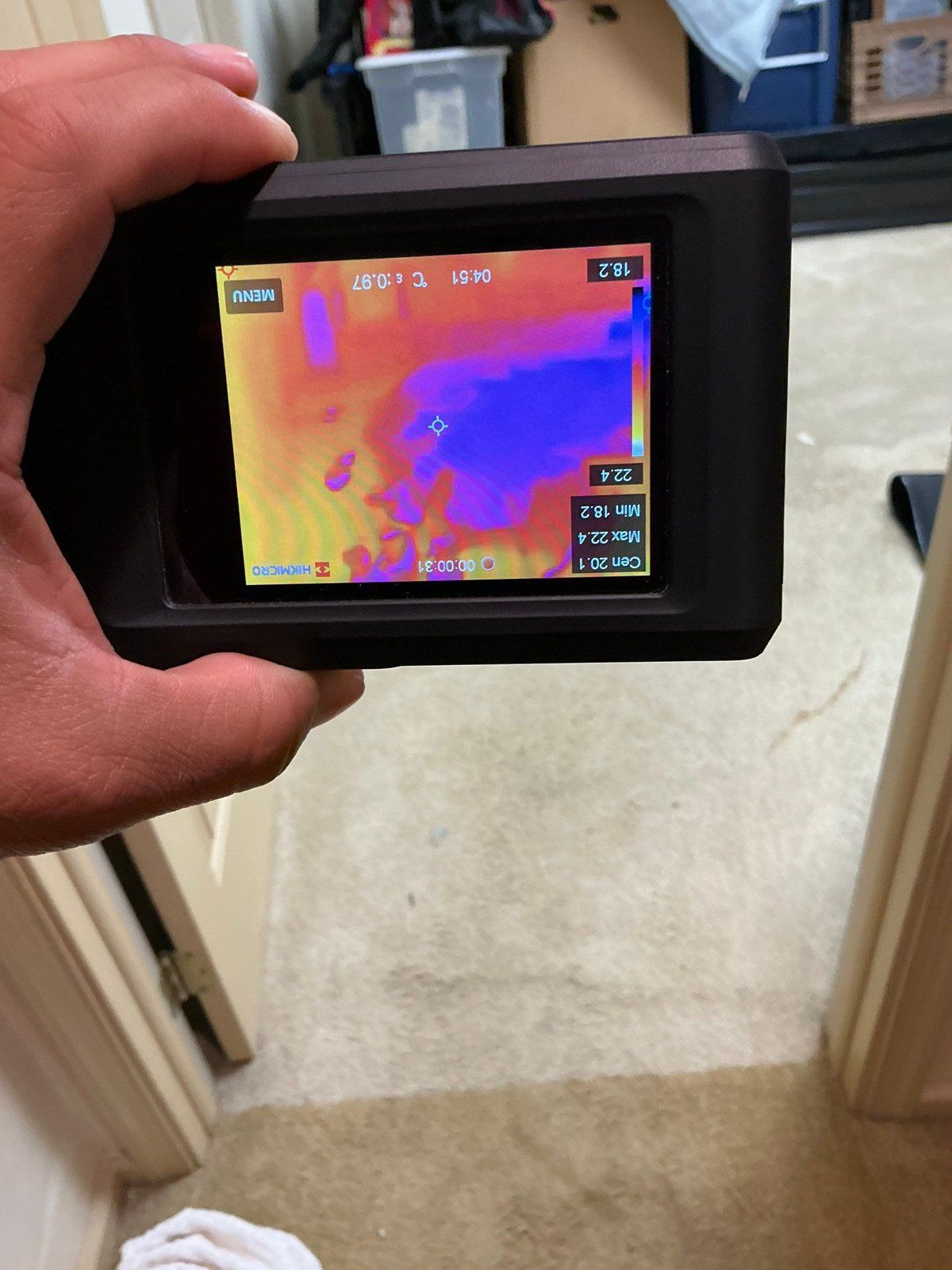
A thermal camera shows temperature differences. Evaporating water cools a surface, so wet areas often show up as cooler patches. A meter always confirms what the camera suggests.
Hygrometers
These measure the temperature and relative humidity of the air, which helps calculate how well dehumidifiers are pulling water out of the room.
What Is a Moisture Map?
On the first day, the technician finds the edges of the wet area and records readings at set points. Those points are often marked on the wall or on a floor sketch. The result is a map of where the water went, which is often farther than you'd expect, especially under flooring and behind baseboards.
What Is a "Dry Standard"?
A dry standard is the reading of an unaffected area of the same material in your home. The goal is to bring wet materials back to that normal level, not to some arbitrary number. Industry guidance from the IICRC S500 standard for water damage restoration describes this approach.
What the Daily Drying Log Shows
Each visit, the technician records:
- Readings at each mapped point, so you can see the numbers dropping
- Room temperature and humidity, plus readings at the dehumidifier outlet
- Equipment in place: how many air movers and dehumidifiers, and any changes
- Photos and notes
When every point reaches the dry standard, the equipment comes out.
Why It Matters to You
For your home
The log confirms the structure is actually dry before walls are closed up or floors go down. That greatly reduces the risk of mold and failed repairs.
For your insurance claim
Adjusters typically want to see why equipment ran for a given number of days. Daily readings and photos back that up. Missing documentation is a common reason drying charges get questioned. Policies and carriers vary, so check your policy.
Questions to Ask Your Restoration Company
- Can I get a copy of the moisture map and the daily readings?
- What's the dry standard for each material?
- What happens if one area isn't drying?
- Will you document before you remove any materials?
FAQ
How long does structural drying take? Typically 3–5 days for many clean-water losses. Dense materials like hardwood, plaster or concrete can take longer.
Why are there holes in my baseboards or drywall? Small holes are sometimes drilled to push air into wall cavities and dry them without full demolition.
Can I turn off the equipment at night? Please don't. Drying works best when it runs nonstop. Ask us if noise is a concern.
Drying Done Right
MaxClean Restoration documents every water loss with moisture maps and daily drying logs for homeowners across Monmouth, Ocean and Middlesex counties, including the shore-area homes in Long Branch, Brick and Point Pleasant where humid air can slow drying. Questions? Call 732-539-2942.
Get ready before it happens: build a free emergency plan for your home (shutoff locations, emergency contacts, maintenance reminders) at plan.maxcleanrestoration.com.
Need help right now? Call or text MaxClean Restoration at 732-539-2942 · Text us Open 24/7 and usually on site within an hour in Monmouth, Ocean and Middlesex counties.
Related: water and flood damage · All Resource Center guides · Insurance claim help · Free home emergency plan
MaxClean Restoration, 11 Bannard Street, Freehold, NJ · IICRC Certified Firm · NJ HIC #13VH12188600 Open 24/7 and usually on site within an hour across Monmouth, Ocean and Middlesex counties.