

Rain Leaking Through Windows or Walls? What to Do
During a nor'easter or a summer storm, wind can push rain sideways into places a normal rain never reaches: around window frames, behind siding, through door thresholds and into wall cavities. You may see a wet windowsill or a stain on the wall, or you may see nothing at all while the insulation and framing inside the wall get soaked. Here's what to do when rain is getting in. (If the water is coming through the ceiling, see our water through the ceiling guide or roof leak guide.)
Need help right now? Call MaxClean Restoration at 732-539-2942 Open 24/7 in Monmouth, Ocean and Middlesex counties. We're usually on site in about an hour near Freehold, and in about 2 hours in Lacey, Stafford, Barnegat and Little Egg Harbor.
Signs wind-driven rain is getting in
- Water dripping or pooling at a windowsill, window frame or door threshold
- Wet, bubbling or stained drywall near windows, corners or exterior walls
- Peeling paint or wallpaper, or a damp smell after a storm
- Wet carpet or baseboards along an exterior wall
- Stains that show up only during or after storms from one direction
- Wet insulation or dripping inside an outlet or light switch on an exterior wall
Step by step: what to do while it's happening
- Stay safe. Don't go outside to fix a window or siding in high wind or lightning.
- Watch for electricity. If water is running down a wall near outlets, switches, light fixtures or the panel, turn off power to that area at the breaker, but only if you can reach it without standing in water. If you're not sure, call an electrician.
- Catch and contain the water. Use towels, buckets and plastic sheeting to protect floors and furniture. Move belongings away from the wall.
- Take photos and video of the water, the wet wall or window and the damage, with the date and time, before you clean up. Your insurance company will want them.
- Keep curtains and rugs out of the water, and lift wet carpet corners away from the wall if you can do it safely.
- Once the storm passes, protect the opening. Tape or tack plastic sheeting over a leaking window or hole in the siding, or call a roofer, window or siding contractor for a temporary fix. Keep your receipts.
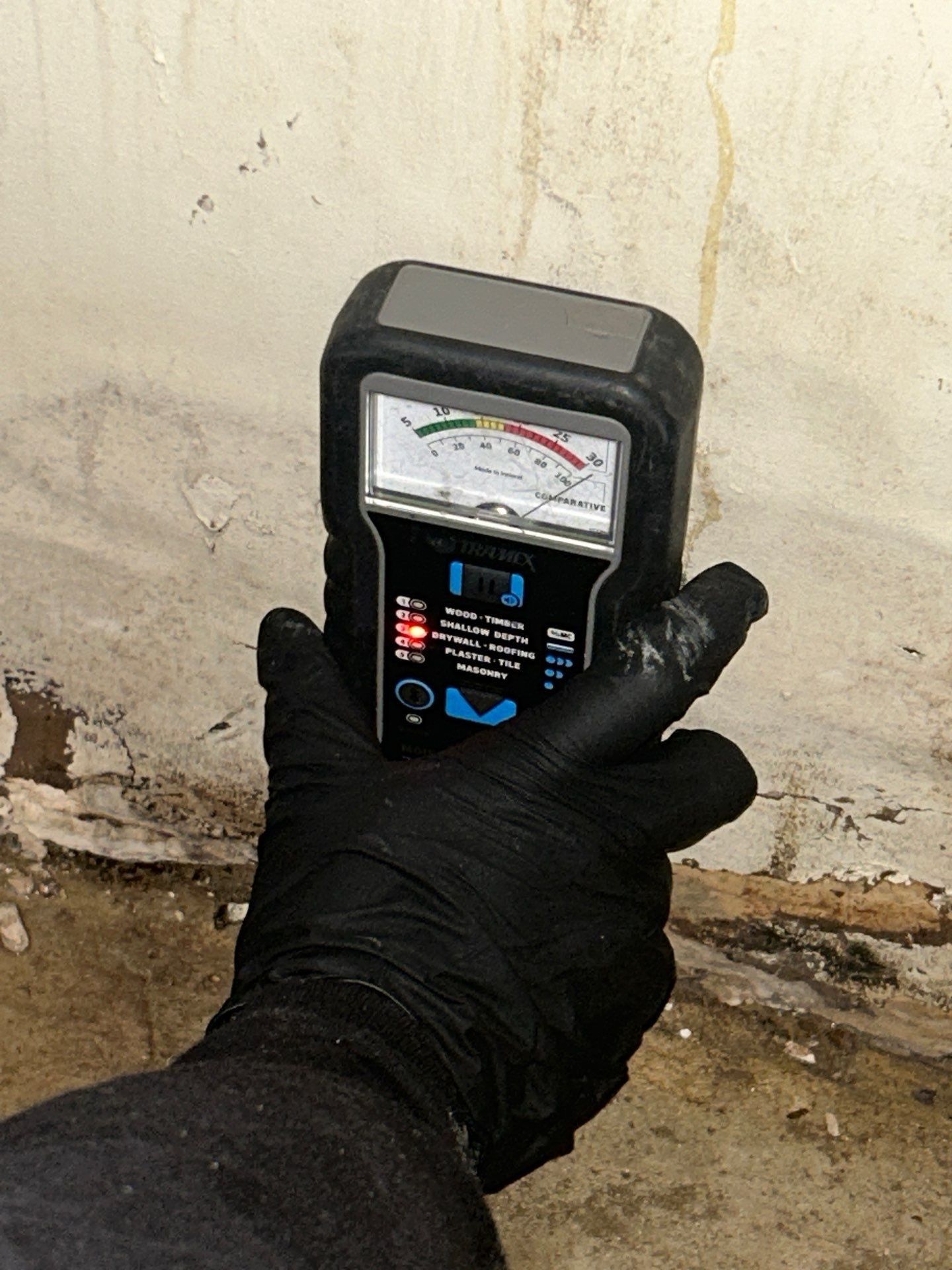
- Call a water damage restoration company. Rain that gets into a wall rarely stays where you can see it. MaxClean checks the wall, insulation and flooring with moisture meters and thermal imaging and dries it properly: 732-539-2942.
- Report the damage to your insurance company and write down the claim number.
What NOT to do
- Don't ignore a "small" leak. Water inside a wall can stay wet for weeks and grow mold in 24 to 48 hours.
- Don't caulk over a leak or paint over a stain before the wall is confirmed dry. It traps moisture inside.
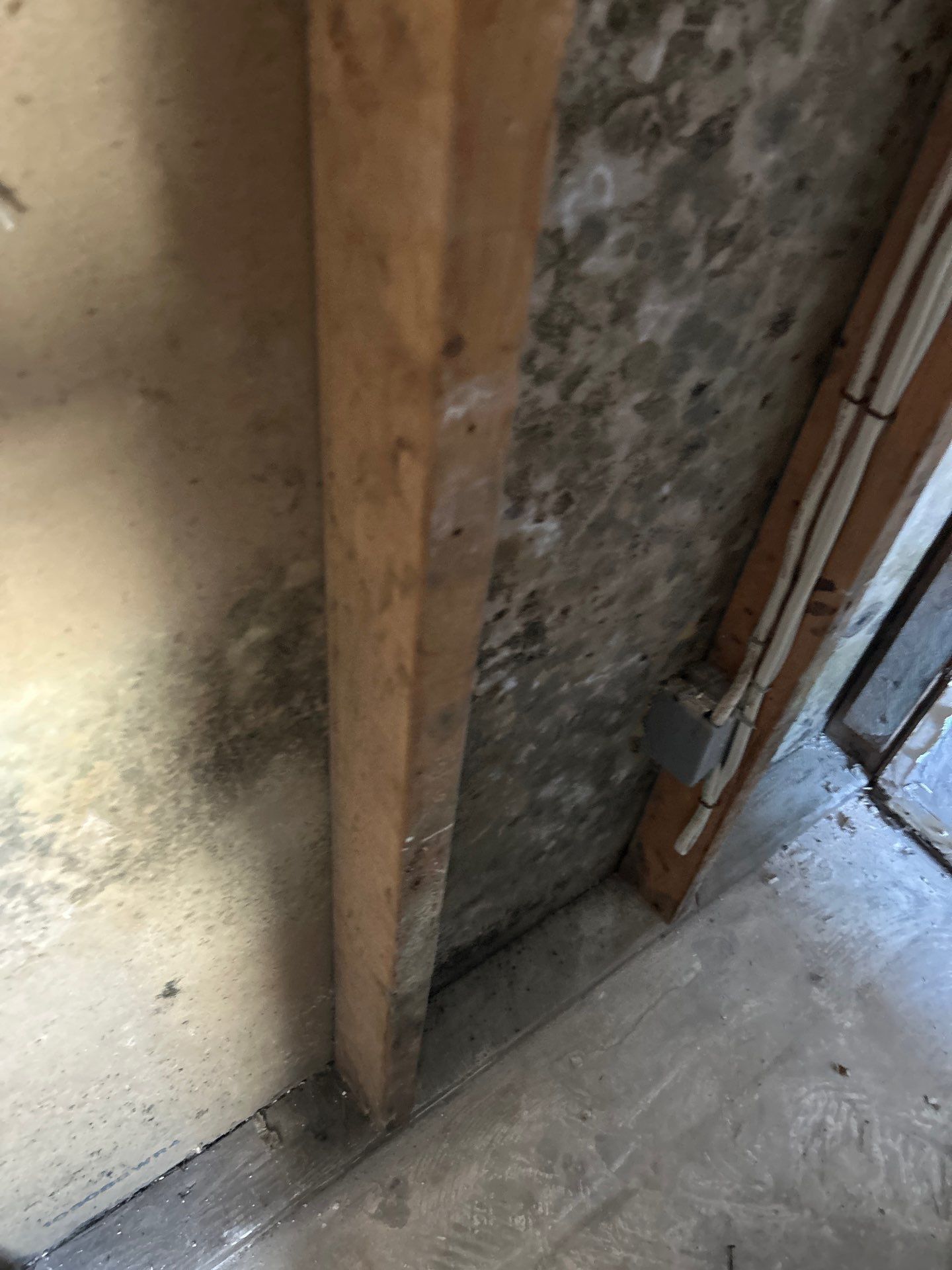
- Don't cut into the wall yourself if you suspect mold behind it. Opening it can spread spores through the house.
- Don't use a regular household vacuum on wet floors.
- Don't climb a ladder or get on the roof in wet or windy weather.
- Don't wait for the next storm to find out whether it was fixed.
Why this kind of leak is easy to miss
Siding and windows are built to shed rain that falls straight down. Wind can push water up behind siding, past worn caulk, flashing or window seals, and into the wall cavity, where it soaks insulation and the back of the drywall. The surface may look dry within hours while the inside stays wet. That makes it a common cause of hidden mold. If the leak keeps happening, the source has to be found and repaired, or the damage will return after every storm. See our guide to hidden or slow leaks and our guide to finding mold in your home.
How MaxClean dries storm water damage
- Finding the full extent: our IICRC-certified technicians use moisture meters and thermal imaging cameras to map where the water went inside walls, ceilings and floors.
- Documenting it: photos and moisture readings are taken before and during the work, so your adjuster can see what happened.
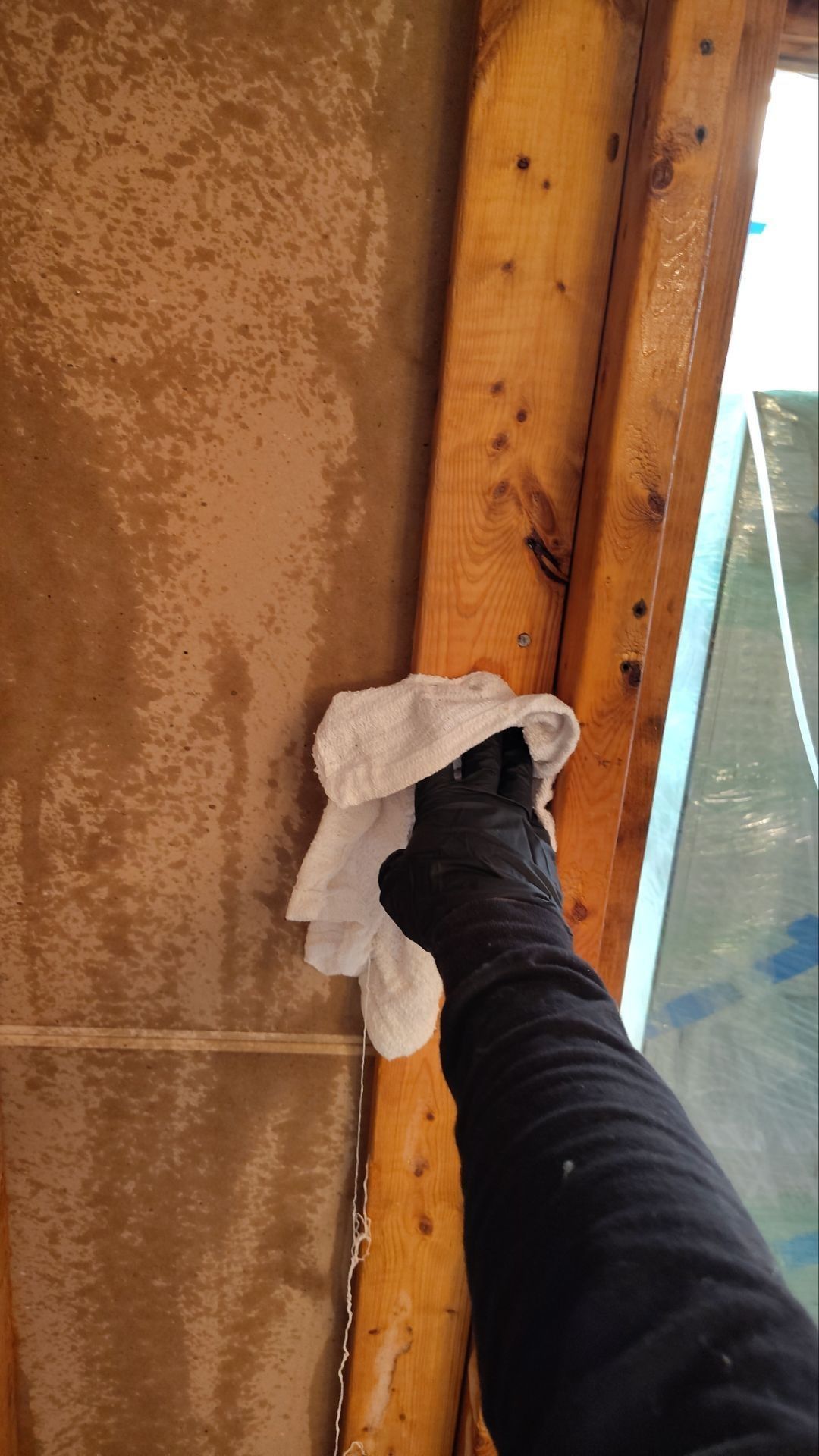
- Removing what can't be saved: wet insulation, soaked drywall and carpet padding are removed.
- Drying: air movers and dehumidifiers dry the structure, with moisture readings every day until the wet materials match dry materials elsewhere in your home, following the IICRC S500 standard.
- Mold remediation, if it's needed: the area is contained with plastic barriers and air filtration, moldy materials are removed, and the area is cleaned, following the IICRC S520 standard. Learn more on our mold remediation page.
- Emergency board-up and tarping: if the building envelope is open to the weather, we can help protect the property until permanent repairs are made.
Learn more on our water damage restoration page or our insurance claims page.
This guide is general information, not legal or insurance advice.
Printable checklist
Rain Coming In: Checklist
- ☐ Safe indoors; no outdoor repairs in wind or lightning
- ☐ Power off to wet areas (only if the panel is safe to reach)
- ☐ Water caught and belongings moved away from the wall
- ☐ Photos and video with date and time
- ☐ Opening covered with plastic after the storm passes
- ☐ No painting, caulking or opening walls until it's confirmed dry
- ☐ Restoration company called to check moisture inside walls
- ☐ Insurance claim reported and number written down
- ☐ MaxClean Restoration 24/7: 732-539-2942
Frequently asked questions
Why does rain leak in during storms but not regular rain? Wind pushes rain sideways and up behind siding, past worn caulk, flashing and window seals. Normal rain falls straight down and doesn't reach those gaps.
Can rain inside a wall cause mold? Yes. Wet insulation and drywall can start growing mold in 24 to 48 hours, and a wall cavity can stay wet for weeks if it isn't dried.
Should I caulk the window myself? A temporary cover like plastic sheeting after the storm is fine. Don't seal over wet materials, and have the real source repaired by a window, siding or roofing contractor.
How do you check a wall for water without tearing it open? We use moisture meters and thermal imaging cameras to find wet areas inside walls, ceilings and floors, so only the damaged materials need to be opened up.
Does homeowners insurance cover storm water damage? Policies vary, so check your policy or ask your agent, and report the damage as soon as you find it. We send the invoice to your insurance carrier on your behalf, but the invoice is still the homeowner's responsibility. That includes your deductible and anything your carrier doesn't pay.
Need help right now? Call MaxClean Restoration at 732-539-2942 Open 24/7 in Monmouth, Ocean and Middlesex counties. We're usually on site in about an hour near Freehold, and in about 2 hours in Lacey, Stafford, Barnegat and Little Egg Harbor.
Related guides: Water coming through the ceiling · Roof leak or ice dam · Found a slow or hidden leak · Storm prep for NJ homeowners · Found mold in your home · All guides
MaxClean Restoration, 11 Bannard Street, Freehold, NJ · IICRC Certified Firm · NJ HIC #13VH12188600 Open 24/7 across Monmouth, Ocean and Middlesex counties. Usually on site in about an hour near Freehold, and in about 2 hours in Lacey, Stafford, Barnegat and Little Egg Harbor.
