

Wet Carpet and Padding: Can It Be Saved?
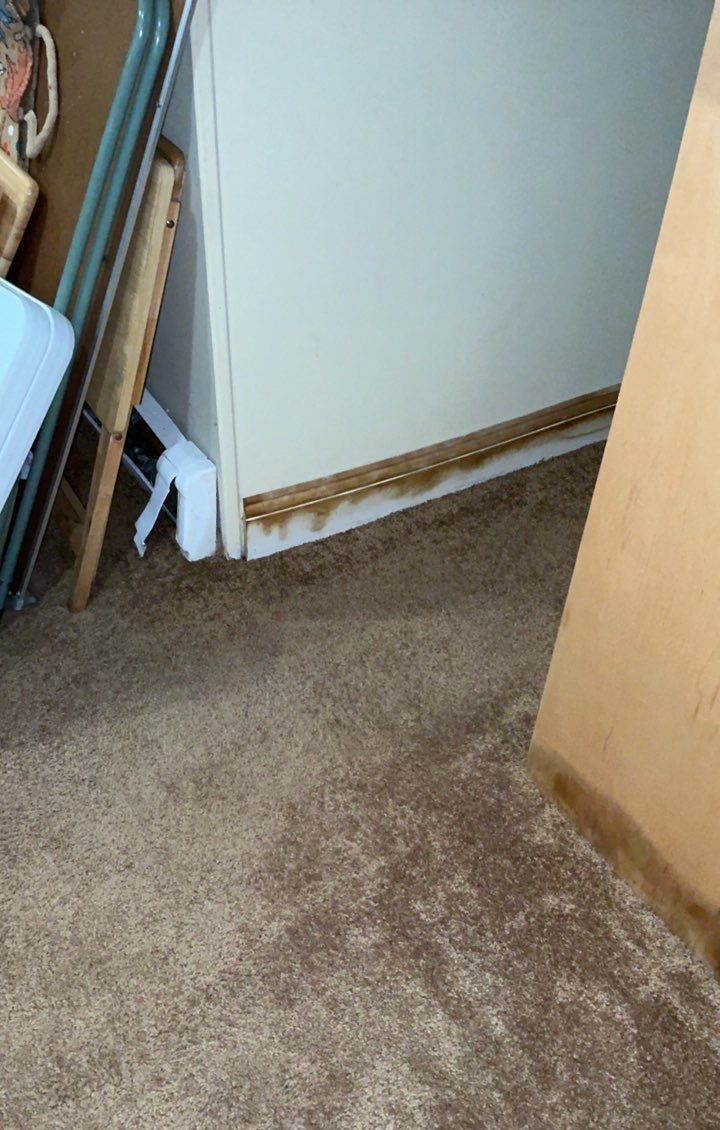
Wet carpet is one of the most common results of a leak, an overflow or a flooded basement. Whether it can be saved depends on two things: what kind of water it was, and how fast it gets dried. The carpet on top is often the easy part. The padding underneath acts like a sponge, and the subfloor below can stay wet long after the surface feels dry. Here's what to do right away. (If water is still coming in, start with our burst pipe guide.)
Need help right now? Call MaxClean Restoration at 732-539-2942 Open 24/7 in Monmouth, Ocean and Middlesex counties. We're usually on site in about an hour near Freehold, and in about 2 hours in Lacey, Stafford, Barnegat and Little Egg Harbor.
First, what kind of water was it?
- Clean water(a supply line, a broken pipe, rain through the roof): the carpet can often be dried in place if it's dealt with quickly.
- Gray water(washing machine or dishwasher discharge): treat it with caution. Drying may still be possible, but it's time sensitive and the water can carry bacteria.
- Black water(sewage, toilet overflow with waste, river or storm flood water): carpet and padding are contaminated and are usually removed and thrown away. See our sewage backup guide.
Clean water turns into gray water the longer it sits, so don't wait.
Step by step: the first hour
- Stop the water at the source. Close the fixture shutoff or the main water valve.
- Be careful with electricity. If water is near outlets, power strips or the panel, turn off power to that area at the breaker, but only if you can reach it without standing in water. Never use plug-in electric items on wet carpet.
- Take photos and video of the wet carpet, the source and your belongings before anything is moved or removed. Your insurance company will want them.
- Move small items and furniture off the carpet. Put foil or plastic tabs under furniture legs that stay, so wood stain doesn't bleed into the carpet.
- Lift or remove wet items like rugs, boxes, books and electronics. Take wet cushions and loose items outside to dry.
- Get air moving. Open windows if the weather allows, and run fans and the air conditioner. In humid weather, a household dehumidifier helps. This only buys time. It does not dry the padding and subfloor.
- Call a water damage restoration company. MaxClean extracts the water, checks the padding and subfloor with moisture meters, and starts professional drying: 732-539-2942.
- Report the damage to your insurance company and write down the claim number.
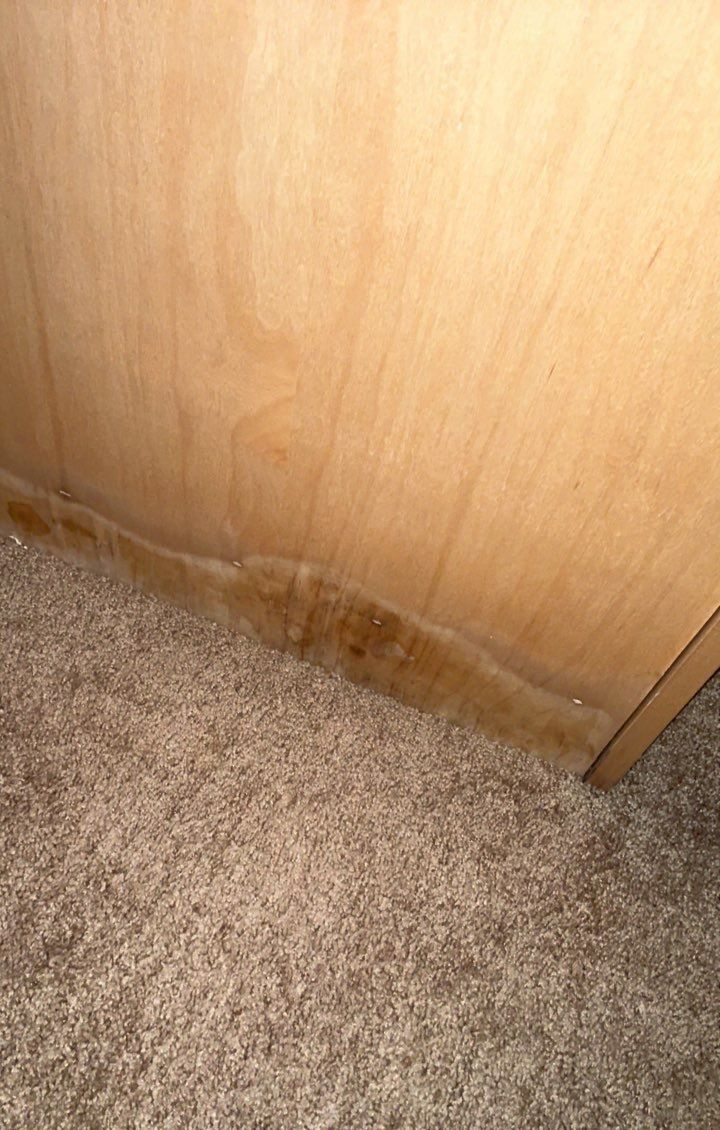
What NOT to do
- Don't walk on wet carpet more than you have to. It pushes water into the padding and spreads dirt.
- Don't use a regular household vacuum on wet carpet. It's an electrical shock risk. Only use a wet/dry shop vacuum made for water, and plug it into a dry outlet.
- Don't leave it overnight "to dry on its own." Wet carpet and padding can start growing mold in 24 to 48 hours.
- Don't sprinkle baking soda or carpet powder on soaked carpet. It makes a paste that is harder to clean.
- Don't cover the area with a rug or move furniture back until a moisture meter says the floor is dry.
- Don't pull up carpet yourself if the water may be contaminated, or if you suspect mold underneath.
Can wet carpet be saved?
It depends. In general:
- Clean water caught within about 24 to 48 hours: carpet can often be extracted and dried in place. Sometimes the carpet is lifted and the padding is replaced while the carpet itself is dried and put back.
- Padding: it is much harder to dry than carpet and is cheap to replace compared with the risk of leaving it wet. It is often removed and replaced.
- Contaminated water, or carpet that has been wet for days: it is usually safer to remove and replace it.
- Delaminating carpet or a strong musty smell: these are signs the backing has been wet too long.
We check the moisture in the carpet, padding and subfloor before we decide, and we'll tell you honestly what can be saved.
How MaxClean dries wet carpet
- Water extraction: truck-mounted or portable extractors pull out standing and absorbed water.
- Moisture mapping: moisture meters and thermal imaging show how far the water spread under the carpet, into walls and into the subfloor.
- Pad removal and carpet lifting: if needed, wet padding is removed and the carpet is lifted and dried on a cushion of air.
- Structural drying: air movers and dehumidifiers dry the whole space, with moisture readings every day until the wet materials match dry materials elsewhere in your home, following the IICRC S500 standard.
- Cleaning and odor control: carpet that is kept is cleaned and treated to help prevent odor and mold.
- Documentation: photos and moisture readings are kept so your adjuster can see what happened.
Wet materials that stay damp can lead to mold. See our guide to finding mold in your home.
Learn more on our water damage restoration page or our insurance claims page.
This guide is general information, not legal or insurance advice.
Printable checklist
Wet Carpet: Checklist
- ☐ Water source stopped
- ☐ Power off to wet areas (only if the panel is safe to reach)
- ☐ Photos and video taken
- ☐ Small items and furniture lifted off the carpet
- ☐ Fans, windows and dehumidifier running
- ☐ Water type identified (clean, gray or black)
- ☐ Restoration company called for extraction and moisture check
- ☐ Insurance claim reported and number written down
- ☐ MaxClean Restoration 24/7: 732-539-2942
Frequently asked questions
How long does carpet have to dry before mold grows? Wet materials can start growing mold in 24 to 48 hours, so start drying right away. Padding and subfloors stay wet longer than the carpet surface.
Can I dry wet carpet myself? Small, clean-water spills can sometimes be handled with towels, a wet/dry vac and fans. For anything larger, or if the padding is soaked, you need professional extraction and drying, because the padding and subfloor stay wet underneath.
Do you have to replace the carpet padding? Often, yes. Padding holds a lot of water and is hard to dry in place. We check it with moisture meters and tell you what can be dried and what should be replaced.
Is carpet from a flood or sewage backup salvageable? Usually not. Carpet and padding soaked with contaminated water are normally removed and thrown away for health reasons.
Does homeowners insurance cover wet carpet? Policies vary, so check your policy or ask your agent, and report the damage as soon as you find it. We send the invoice to your insurance carrier on your behalf, but the invoice is still the homeowner's responsibility. That includes your deductible and anything your carrier doesn't pay.
Need help right now? Call MaxClean Restoration at 732-539-2942 Open 24/7 in Monmouth, Ocean and Middlesex counties. We're usually on site in about an hour near Freehold, and in about 2 hours in Lacey, Stafford, Barnegat and Little Egg Harbor.
Related guides: Toilet, washer or dishwasher overflow · Flooded basement or sump pump failure · Wet hardwood floors · Found mold in your home · The insurance claim process, step by step · All guides
MaxClean Restoration, 11 Bannard Street, Freehold, NJ · IICRC Certified Firm · NJ HIC #13VH12188600 Open 24/7 across Monmouth, Ocean and Middlesex counties. Usually on site in about an hour near Freehold, and in about 2 hours in Lacey, Stafford, Barnegat and Little Egg Harbor.
