

Sewage Backup in Your Home: What to Do
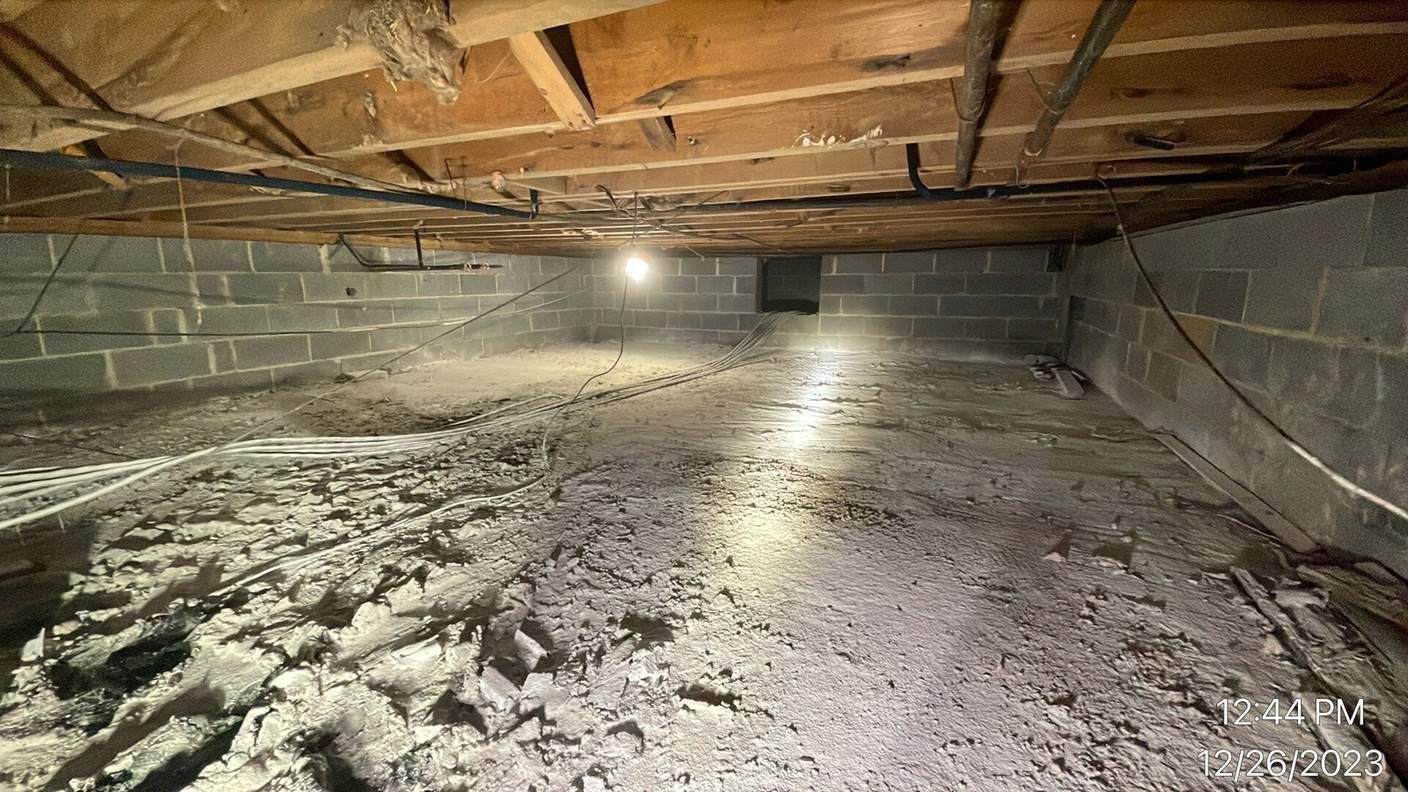
Sewage coming up through a floor drain, toilet or tub is one of the worst things that can happen in a home. It smells awful, but the bigger problem is what you can't see: sewage carries bacteria, viruses and parasites that can make people sick. The restoration industry's standard (IICRC S500) calls it Category 3, "grossly contaminated" water. Here's how to keep everyone safe and limit the damage until help arrives.
Need help right now? Call or text MaxClean Restoration at 732-539-2942 · Text us Open 24/7 and usually on site within an hour in Monmouth, Ocean and Middlesex counties.
Safety first
- Keep people and pets out. Children, older adults, anyone pregnant, and anyone with a weak immune system, asthma or a recent illness should stay away from the area completely.
- Don't touch sewage with bare skin. If you must go near it, wear rubber boots, waterproof gloves and eye protection, and wash up right after.
- Watch for electrical hazards. If water is near outlets, cords, the electric panel, the furnace or the water heater, stay out and call your electric utility or an electrician.
- Smell gas? Leave the house and call your gas utility or 911 from outside.
- Don't eat, drink or smoke anywhere near the affected area.
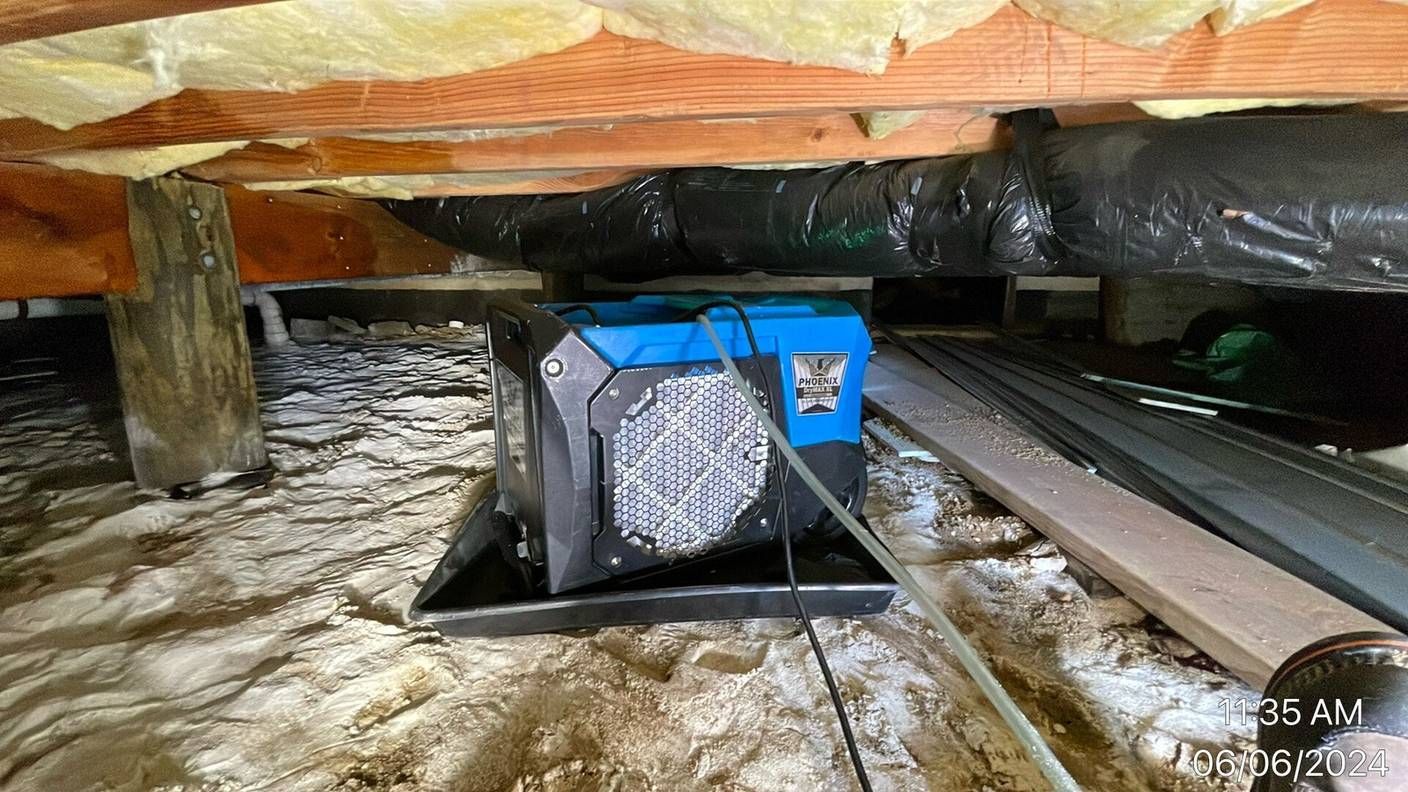
What to do right now
- Stop using water everywhere in the house. No flushing, showers, laundry or dishwasher. Every drain in the house usually feeds the same sewer line, so more water means more sewage coming up.
- Leave the area and close the doors to it.
- Turn off the heating or air conditioning if it pulls air from the affected area, so odors and contaminants don't spread to the rest of the house.
- Take photos and video from a safe spot: where the sewage came from, how high it got, and every room and item it touched.
- Call a licensed plumber or sewer service to find and clear the blockage. If you're on public sewer, you can also call your town or sewerage authority to ask whether the problem is in the public line.
- Call MaxClean Restoration for cleanup at 732-539-2942. We're open 24/7 and usually on site within an hour.
- Report the loss to your insurance company and write down the claim number.
What NOT to do
- Don't try to clean up sewage with a household vacuum, mop and bucket, or shop vacuum.
- Don't run fans in the area. They can blow contaminated droplets and odors around the house.
- Don't mix bleach with other cleaners. Bleach plus ammonia or acids makes toxic gas.
- Don't try to save carpet or pad that sewage soaked into.
- Don't throw away damaged items until they've been photographed for your claim.
- Don't wait. Sewage soaks deeper into floors and walls the longer it sits, and wet materials can start growing mold in 24 to 48 hours.
What MaxClean does
Our IICRC-certified technicians follow the IICRC S500 standard for contaminated water:
- Protect people first. Our crew wears protective gear and sets up plastic containment and air filtration so contamination doesn't spread into clean rooms.
- Remove the sewage with commercial extraction equipment.
- Remove what can't be cleaned. Under the standard, porous materials soaked by sewage, like carpet and pad, drywall below the water line and insulation, are generally removed and disposed of, not dried in place.
- Clean and disinfect every hard surface, then apply EPA-registered antimicrobial products according to their label.
- Dry the structure with commercial dehumidifiers and air movers, and check moisture readings every day until materials are back to normal.
- Sort your belongings into what can be cleaned, what can't, and what needs special care, and document everything with photos for your claim.
- Rebuild. Our reconstruction team can put the space back together when drying is done. See what to expect during reconstruction.
Learn more on our sewage cleanup page.
Working with your insurance
We work directly with your insurance company and send the invoice to your carrier for you; you're responsible for your deductible and anything your policy doesn't cover.
In New Jersey, homeowners usually have the right to choose their own restoration contractor. We specialize in working with both homeowners and insurance companies to make sure the work is properly documented and covered, so your home gets back to its pre-loss condition.
For general steps to follow after any loss, see the insurance claim process, step by step or our insurance claims page.
When to call a professional
- Sewage reached carpet, drywall, wood, insulation or stored belongings.
- It came up through a floor drain, basement toilet, shower or tub.
- The backup is more than a small spill on a tile floor.
- There's a lingering sewer smell after the water is gone.
- It has happened before, or someone in the home is especially vulnerable.
Printable checklist
Sewage Backup: Checklist
- ☐ Kids, pets and vulnerable family members kept away
- ☐ All water use stopped (no flushing, showers or laundry)
- ☐ Doors to the area closed, HVAC off if it serves the area
- ☐ Photos and video taken from a safe spot
- ☐ Plumber or sewer service called
- ☐ Restoration company called
- ☐ Insurance notified and claim number written down
- ☐ MaxClean Restoration 24/7: 732-539-2942
Frequently asked questions
Is a sewage backup dangerous? Yes. Sewage is considered Category 3, grossly contaminated water, and can carry bacteria, viruses and parasites. Keep people and pets away and let trained technicians with protective gear handle the cleanup.
Can my carpet be saved after a sewage backup? Usually not. Under the IICRC S500 standard, carpet and pad soaked by sewage are generally removed and thrown away. Hard surfaces like tile and concrete can usually be cleaned and disinfected.
Why did sewage come up through my basement floor drain? The floor drain is often the lowest opening on your sewer line, so a clog or a backup in the main line shows up there first. Common causes are tree roots, wipes and grease in the line, or a backup in the public sewer during heavy rain.
How can I prevent another sewage backup? Don't flush wipes (even "flushable" ones), paper towels or grease. Ask a licensed plumber about a camera inspection of your sewer line and whether a backwater valve makes sense for your home.
How long does sewage cleanup take? It depends on how far the sewage spread and what materials it reached. Cleanup and disinfection often start the same day, and drying usually takes several more days. We'll give you a realistic timeline after we inspect.
Can I choose my own restoration company? In New Jersey, homeowners usually have the right to choose their own restoration contractor. We specialize in working with both homeowners and insurance companies to make sure the work is properly documented and covered, so your home gets back to its pre-loss condition.
Need help right now? Call or text MaxClean Restoration at 732-539-2942 · Text us Open 24/7 and usually on site within an hour in Monmouth, Ocean and Middlesex counties.
Related guides: Flooded basement or sump pump failure · Toilet or appliance overflow · The insurance claim process, step by step · Found mold in your home · All guides
MaxClean Restoration, 11 Bannard Street, Freehold, NJ · IICRC Certified Firm · NJ HIC #13VH12188600 Open 24/7 and usually on site within an hour across Monmouth, Ocean and Middlesex counties.