

Attic and Crawlspace Moisture: Signs and What to Do
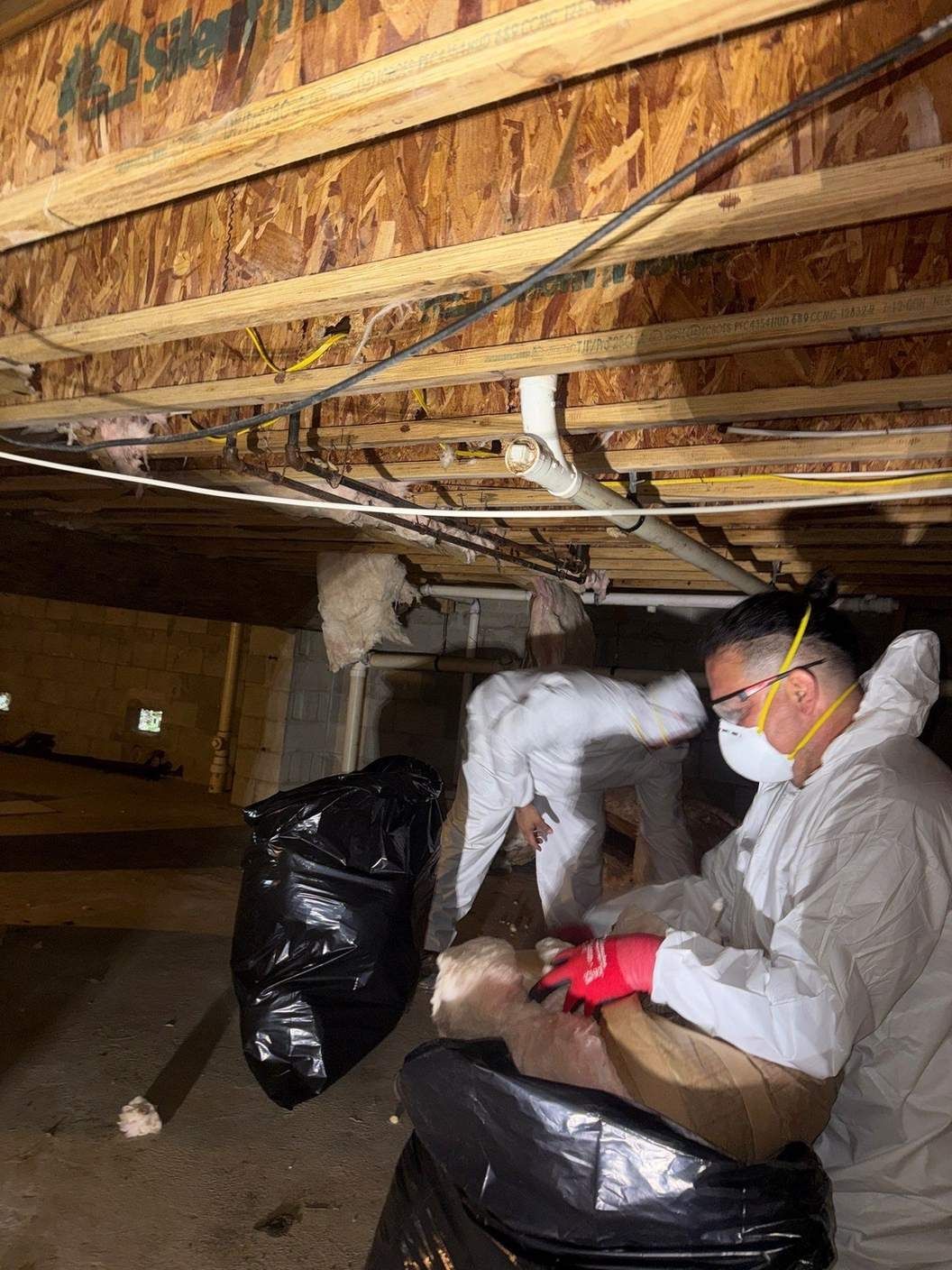
Attics and crawlspaces are the parts of the house most people never look at, which is exactly why moisture problems grow there. In New Jersey, humid summers, cold winters and homes near the shore make both spaces prone to condensation, damp insulation and wood rot. Catching moisture early can stop mold before it starts. If you've already found mold, see our found mold guide.
Need help right now? Call or text MaxClean Restoration at 732-539-2942 · Text us Open 24/7 and usually on site within an hour in Monmouth, Ocean and Middlesex counties.
Safety first
- Watch your step. In the attic, walk only on joists or a floored area; stepping between joists can put your foot through the ceiling. In a crawlspace, watch for nails, sharp debris and low clearance.
- Use good light and a sturdy ladder, and tell someone you're going in.
- Protect your lungs and skin. Wear an N95 mask, gloves, long sleeves and eye protection. Insulation and dust are irritating, and there may be mold.
- Look for hazards before you go in: standing water near wiring, damaged wires, animal droppings or nests, and sagging insulation or framing.
- Older homes: some vermiculite insulation (gray-brown, pebble-like) can contain asbestos. Don't disturb it; have it tested.
- Get out if you feel lightheaded, find a large amount of mold, or see standing water near electrical lines.
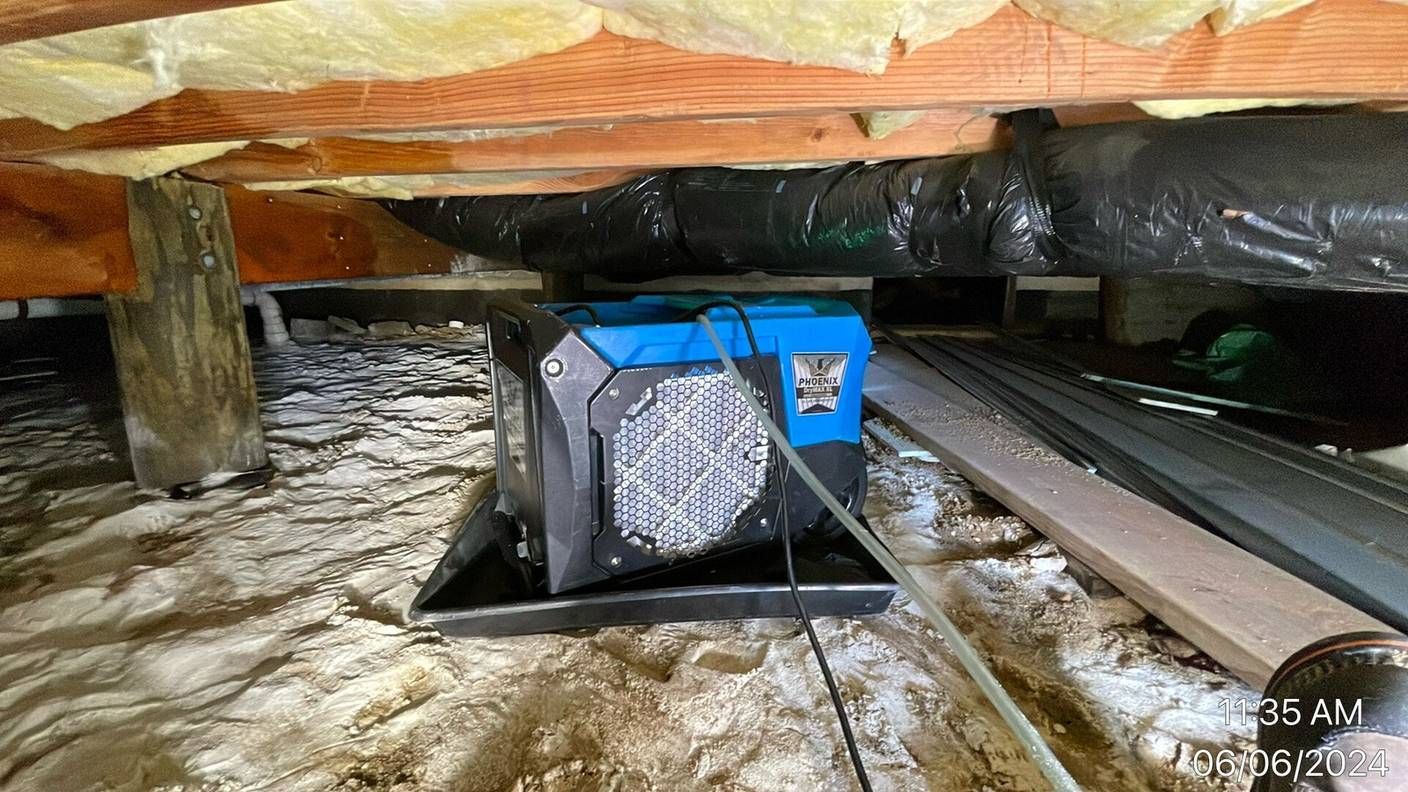
Signs of a moisture problem
- Attic: frost or water droplets on the underside of the roof deck or on nails in winter; dark staining on the roof sheathing; damp, matted or compressed insulation; a musty smell when you open the hatch; rusty nails; ice dams on the roof.
- Crawlspace: standing water or puddles; damp soil; condensation on pipes and ductwork; sagging or wet insulation; white powdery deposits on the foundation; a musty smell in the rooms above; cupping wood floors on the first floor; high humidity indoors.
What to do now
- Take a careful look(see Safety first) and photograph what you see: stains, frost, wet insulation, standing water.
- Check bathroom, kitchen and dryer vents. In attics, a common cause is a bath fan or dryer vent that blows into the attic instead of to the outside.
- Check outside: clean gutters, make sure downspouts carry water well away from the foundation, and look for soil that slopes toward the house.
- Check for plumbing leaks in the crawlspace and around the attic, such as a dripping pipe, an AC condensate line or a leaking HVAC unit.
- Measure humidity with a simple hygrometer. Indoor relative humidity consistently above about 60% raises the risk of mold growth.
- Call a pro if materials are wet or you're not sure what's causing it. MaxClean: 732-539-2942.
What NOT to do
- Don't just add more insulation over a wet or moldy area. It traps moisture.
- Don't seal up a crawlspace or block attic vents without a plan. Changing ventilation the wrong way can make moisture worse.
- Don't spray bleach on wood framing or roof sheathing. It doesn't fix the cause and doesn't remove mold properly.
- Don't run a dehumidifier in a crawlspace that's still getting water. Fix the water source first.
- Don't ignore a musty smell in the house. It often comes from below or above.
What MaxClean does
- Inspects the attic or crawlspace with moisture meters, hygrometers and thermal imaging to find out how wet things are and where the moisture is coming from.
- Removes wet or damaged insulation and debris.
- Dries the structure with commercial dehumidifiers and air movers and checks readings every day, following the IICRC S500 standard.
- Handles mold following the IICRC S520 standard if we find it: containment, HEPA air filtration and physical removal, not just spraying.
- Points out likely causes, like vent problems, drainage or leaks, so they can be fixed and the problem doesn't come back.
- Documents everything with photos and readings.
Learn more on our water damage restoration page or our mold remediation page.
Working with your insurance
We work directly with your insurance company and send the invoice to your carrier for you; you're responsible for your deductible and anything your policy doesn't cover.
In New Jersey, homeowners usually have the right to choose their own restoration contractor. We specialize in working with both homeowners and insurance companies to make sure the work is properly documented and covered, so your home gets back to its pre-loss condition.
For general steps to follow after any loss, see the insurance claim process, step by step or our insurance claims page.
When to call a professional
- Insulation is wet, or there's standing water in the crawlspace.
- You see staining, frost or mold on the roof deck, framing or floor joists.
- There's a musty smell in the house that you can't track down.
- First-floor wood floors are cupping or feel soft.
- You recently had a roof leak, plumbing leak or flood that reached the attic or crawlspace.
Frequently asked questions
Why is there frost on the underside of my roof in winter? Warm, moist air from the house is leaking into the cold attic and freezing on the roof deck and nails. Common causes are bath fans or dryer vents venting into the attic, gaps around lights and attic hatches, and poor attic ventilation. When the frost melts, it can soak insulation and drip through ceilings.
Why does my crawlspace smell musty? Musty odors usually mean moisture and often mold or mildew. Common causes are groundwater, poor drainage outside, leaking pipes, or humid outdoor air condensing on cool surfaces in summer.
What humidity level is OK for a crawlspace or basement? Keeping relative humidity below about 60%, and ideally around 50% or lower, makes mold growth much less likely. A hygrometer can tell you where you are.
Is crawlspace moisture affecting the air in my house? It can. Air from a crawlspace moves up into the living space, so dampness, odors and mold spores below can affect the rooms above.
Can I fix attic moisture myself? Some causes are simple, like reconnecting a bath fan duct to its outside vent or cleaning gutters. But wet insulation, staining on the roof deck or any mold should be checked by a pro, so the materials are dried or removed properly and the cause is found.
Need help right now? Call or text MaxClean Restoration at 732-539-2942 · Text us Open 24/7 and usually on site within an hour in Monmouth, Ocean and Middlesex counties.
Related guides: Found mold in your home · Roof leak or ice dam · Frozen pipes · Flooded basement or sump pump failure · All guides
MaxClean Restoration, 11 Bannard Street, Freehold, NJ · IICRC Certified Firm · NJ HIC #13VH12188600 Open 24/7 and usually on site within an hour across Monmouth, Ocean and Middlesex counties.