

Frozen Pipes: How to Prevent Them and What to Do
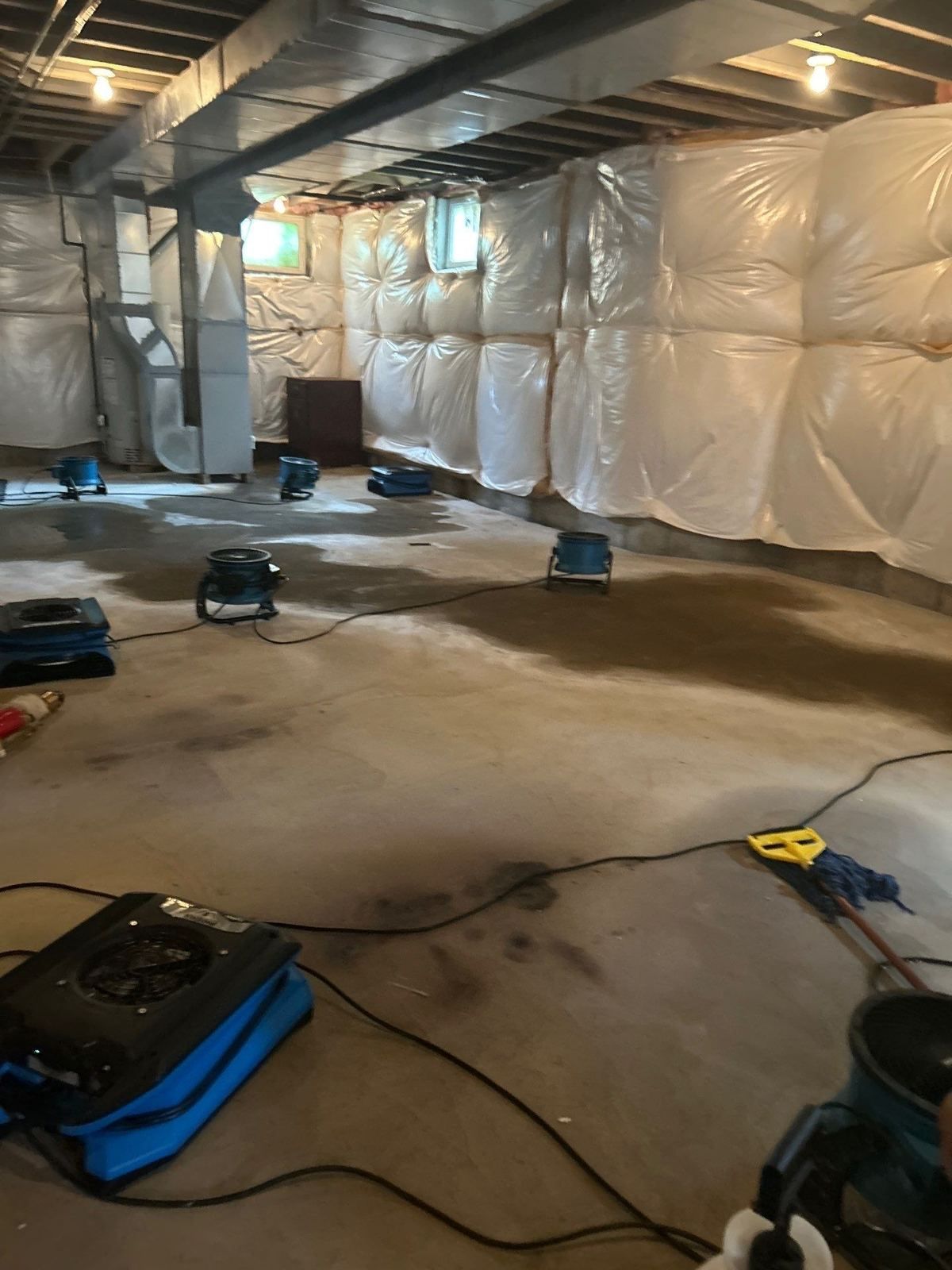
When temperatures drop into the teens in New Jersey, pipes in outside walls, crawlspaces, garages and unheated basements can freeze. A frozen pipe isn't a disaster yet, but ice expands and builds up pressure, and the pipe can split. Often the leak only shows up when the pipe thaws. This guide covers what to do when a pipe is frozen but hasn't burst, and how to keep it from happening. If water is already pouring out, go to our burst pipe guide.
Need help right now? Call or text MaxClean Restoration at 732-539-2942 · Text us Open 24/7 and usually on site within an hour in Monmouth, Ocean and Middlesex counties.
Safety first
- Never use an open flame(torch, lighter, candle) or a propane heater to thaw a pipe. It's a leading cause of house fires in winter.
- Keep heat sources away from anything that burns, and never leave a space heater or heat lamp unattended.
- Know where your main water shutoff is before you start thawing. If the pipe has split, water will come out as soon as the ice melts.
- Don't use electrical devices near standing water.
- Never heat your home with a gas oven, grill or generator. They can produce deadly carbon monoxide.
Signs a pipe is frozen
- Little or no water comes out of a faucet when you turn it on.
- Frost on an exposed pipe, or a pipe that's bulging.
- The problem started during a cold snap, and the faucet is on an outside wall, near a garage or above a crawlspace.
What to do right now
- Open the faucet the frozen pipe feeds, both hot and cold. As the ice melts, running water helps melt the rest and relieves pressure.
- Find the frozen section. Start at the faucet and follow the pipe back toward where it runs through a cold space.
- Warm the pipe gently with a hair dryer, a heating pad, towels soaked in hot water, or a space heater kept a safe distance away. Work from the faucet end back toward the frozen spot.
- Warm the room. Raise the thermostat and open cabinet doors under sinks so warm air reaches the pipes.
- Keep warming until full water pressure returns, then check the pipe and the area around it for drips, wet drywall or water stains.
- If you can't find it, can't reach it, or it won't thaw, call a licensed plumber.
- If the pipe split and leaks, shut off the main water valve right away, then call a plumber and MaxClean at 732-539-2942.
What NOT to do
- Don't use a torch, open flame, kerosene or propane heater to thaw pipes.
- Don't leave space heaters running unattended or near curtains, boxes or walls.
- Don't hit a frozen pipe to break up the ice.
- Don't close the faucet while thawing. The pipe needs somewhere for the water and pressure to go.
- Don't ignore a frozen pipe that thawed. Check for leaks over the next day or two, including inside cabinets and walls.
How to prevent frozen pipes
- Keep the heat at 55°F or higher, even when you're away or the house is empty.
- Let faucets drip on outside walls during hard freezes.
- Open cabinet doors under kitchen and bathroom sinks on outside walls.
- Disconnect garden hoses and shut off and drain outside spigots in the fall.
- Insulate pipes in crawlspaces, attics, garages and unheated basements with foam pipe insulation.
- Seal drafts where pipes come through outside walls, and close crawlspace vents in winter if your home has them.
- Going away? Ask someone to check the house daily, consider shutting off the main water and draining the lines, and think about a smart water leak sensor or temperature alert.
What MaxClean does
If a frozen pipe split and leaked:
- Responds 24/7, usually on site within an hour.
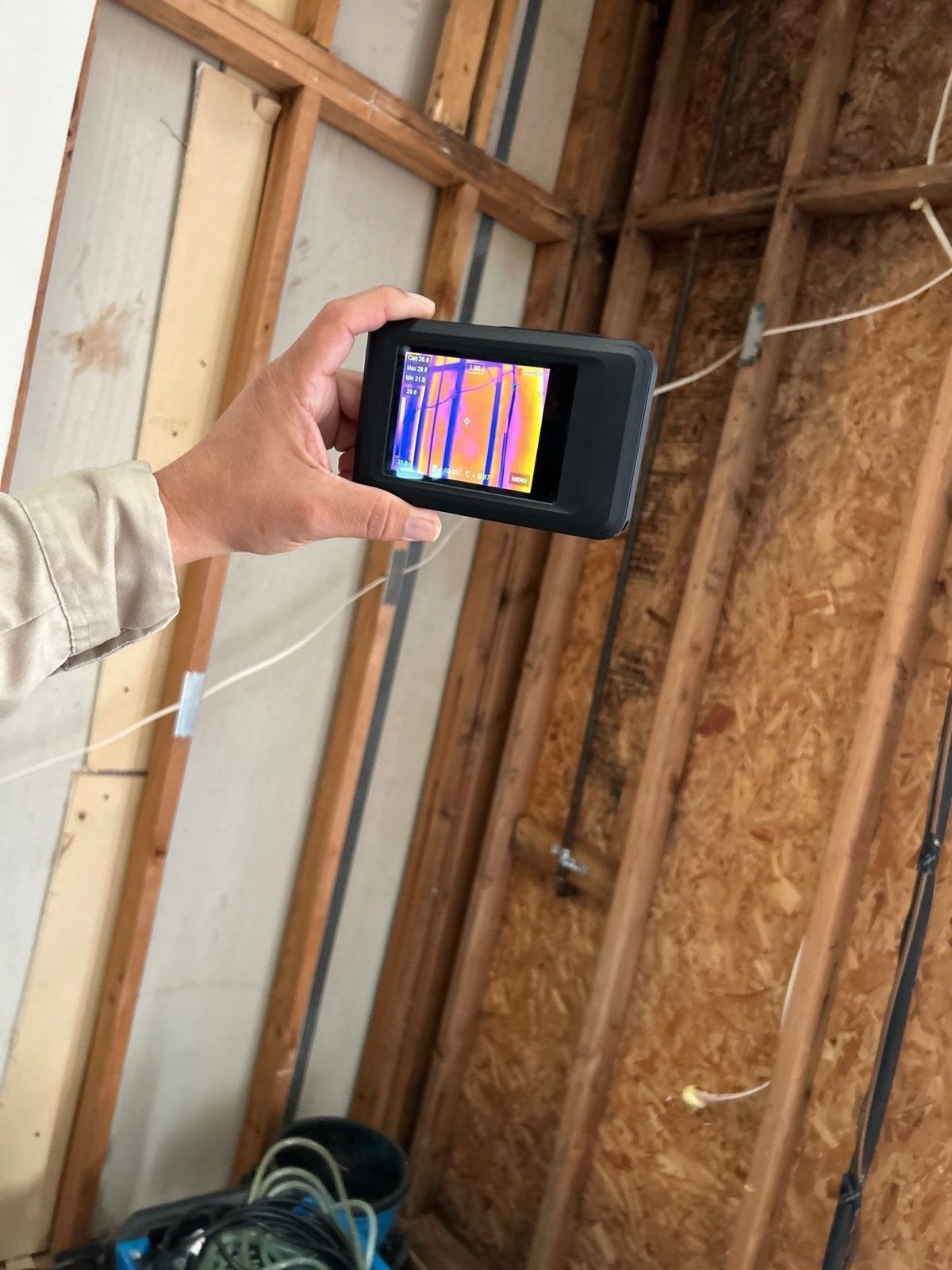
- Finds all the water with moisture meters and thermal imaging, including inside walls and ceilings where frozen pipes often run.
- Extracts water and removes what can't be dried, following the IICRC S500 standard.
- Dries the structure with commercial dehumidifiers and air movers and checks readings every day.
- Documents everything for your claim and rebuilds walls, ceilings and floors.
Learn more on our water damage restoration page.
Working with your insurance
We work directly with your insurance company and send the invoice to your carrier for you; you're responsible for your deductible and anything your policy doesn't cover.
In New Jersey, homeowners usually have the right to choose their own restoration contractor. We specialize in working with both homeowners and insurance companies to make sure the work is properly documented and covered, so your home gets back to its pre-loss condition.
For general steps to follow after any loss, see the insurance claim process, step by step or our insurance claims page.
When to call a professional
- Call a licensed plumber if you can't find or reach the frozen section, it won't thaw, or the pipe is cracked or bulging.
- Call MaxClean if any water leaked onto floors, into walls or ceilings, or into the basement or crawlspace.
- Call us if you see water stains or smell mustiness after a cold snap, even if the pipe seems fine.
Frequently asked questions
At what temperature do pipes freeze? Pipes in unheated or poorly insulated spaces are at risk when it stays below about 20°F for several hours, especially with wind. Pipes in outside walls, crawlspaces and garages are most vulnerable.
Should I let my faucets drip at night? During hard freezes, yes. A slow drip from faucets on outside walls keeps water moving and relieves pressure, which makes a burst less likely.
How long does it take to thaw a frozen pipe? Often 30 minutes to a couple of hours with gentle heat, depending on where the pipe is and how cold it is. If it's not thawing or you can't reach it, call a plumber.
Can a pipe freeze and not burst? Yes. Many frozen pipes thaw without damage. But a pipe can also crack and only leak once it thaws, so check carefully for drips and wet spots afterward.
What temperature should I keep my house at when I'm away in winter? At least 55°F. Leave cabinet doors open under sinks on outside walls, and have someone check the house regularly.
Need help right now? Call or text MaxClean Restoration at 732-539-2942 · Text us Open 24/7 and usually on site within an hour in Monmouth, Ocean and Middlesex counties.
Related guides: Burst pipe: what to do in the first hour · Storm prep for NJ homeowners · Attic and crawlspace moisture · Roof leak or ice dam · All guides
MaxClean Restoration, 11 Bannard Street, Freehold, NJ · IICRC Certified Firm · NJ HIC #13VH12188600 Open 24/7 and usually on site within an hour across Monmouth, Ocean and Middlesex counties.