
MaxClean Restoration Blog
First Hours After Flash Flood Water Enters Your Home: A Central New Jersey Homeowner's Guide

When a Flash Flood Warning hits southeastern Monmouth and nearby Ocean County towns, the rain does not always give much notice. Streets in Wall or Brick can pond in minutes, and storm water through a door, failed window seal or low basement entry can leave inches on the floor before the warning expires. In Old Bridge and Howell, the same short, intense storm can push water into finished lower levels that looked fine an hour earlier.
The first hours matter. What you do - and what you skip - shapes how much you save, how fast the house dries and how clean the claim documentation looks later.
Stay Safe Before You Touch Anything
Standing storm water and household power do not mix. Before you move furniture or run a vac:
- Keep people and pets out of the water if outlets, lamps or cords are nearby.
- Shut off power to the wet area only if you can reach the breaker without stepping in water.
- Treat murky or foul-smelling water as unclean until it is assessed - runoff often carries soil, street debris or sewage.
- Do not run a gas furnace, water heater or other fuel appliance that got wet until a qualified tech clears it.
If anyone is trapped by rising water, or if you smell gas, call 911 first. Once the scene is safe, call MaxClean Restoration at 732-539-2942 for extraction and drying.
What to Do in the First Hours
1. Stop the incoming flow if you can do it safely
Close doors against wind-driven rain, put a temporary barrier at a clear entry point, and divert outdoor runoff away from the opening when it is safe outside. Do not enter deep or fast-moving water.
2. Document before you discard
Take wide and close-up photos and short video of the water line, wet materials and damaged belongings. Note the time water entered if you know it. Insurers typically want that record before items are tossed.
3. Move what you can to high, dry ground
Lift furniture onto blocks, get rugs and boxes off the floor, and relocate electronics and papers. Skip anything that requires wading through unsafe water.
4. Call MaxClean Restoration for extraction
A shop vac helps with a small puddle on bare concrete. Once carpet, pad, drywall or wall cavities are wet, call 732-539-2942 for professional extraction and drying.
5. Start airflow only after standing water is gone
Fans on a still-flooded floor can push moisture into walls. Extract first, then dry.
What Not to Do
A few common moves make flash-flood cleanup harder:
- Do not wait overnight "to see if it dries." Wet carpet pad and wall plates stay wet long after the surface looks better, and mold can start in roughly 24 to 48 hours.
- Do not rip out all the drywall on day one unless wet areas have been mapped. Guesswork often removes dry material and leaves wet spots behind.
- Do not run the HVAC through a wet return or leave wet filters in place.
- Do not throw out wet items before photos. Document first, then separate what can be cleaned from what cannot.
Why Fast Extraction and Drying Matter
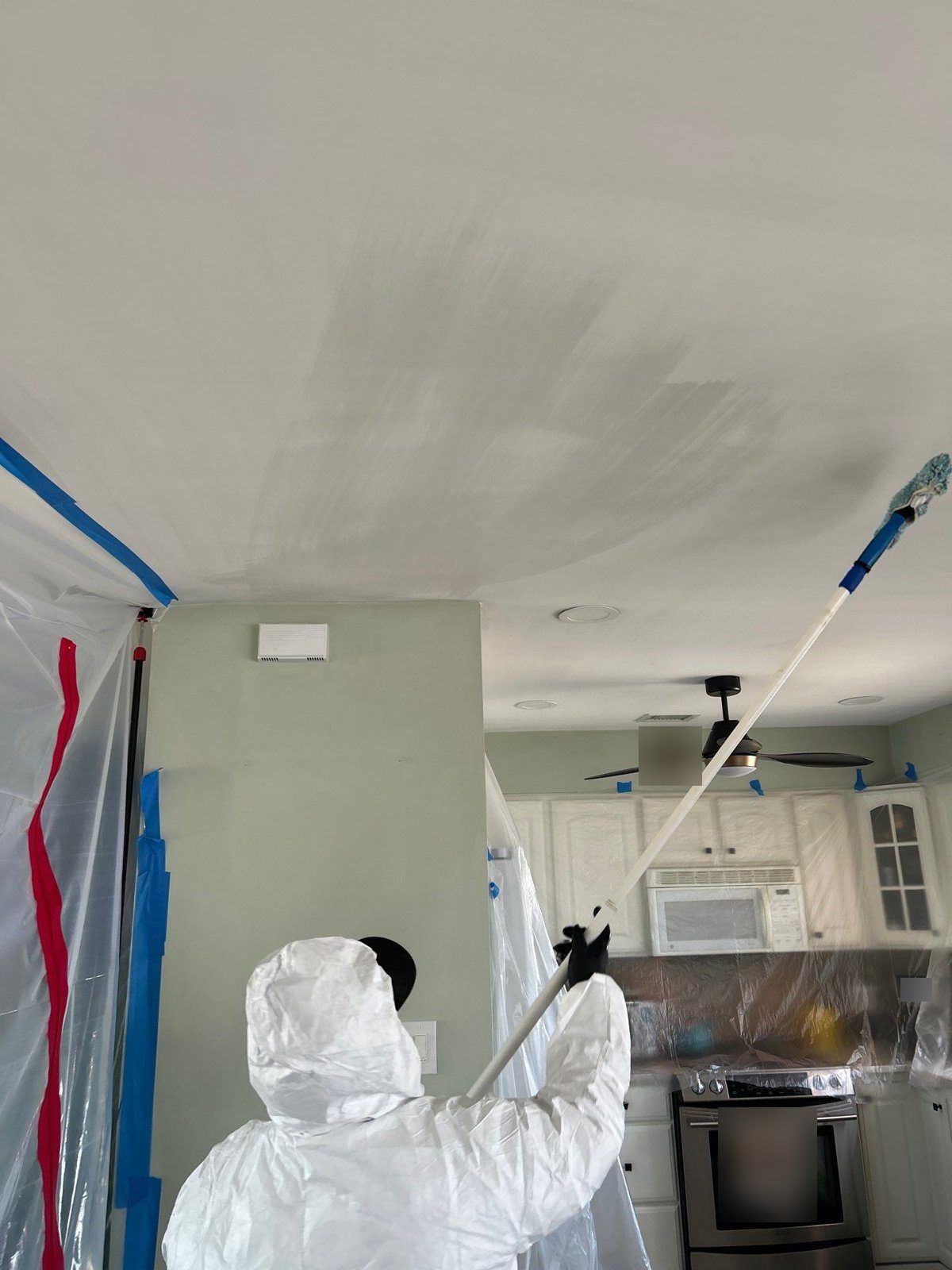
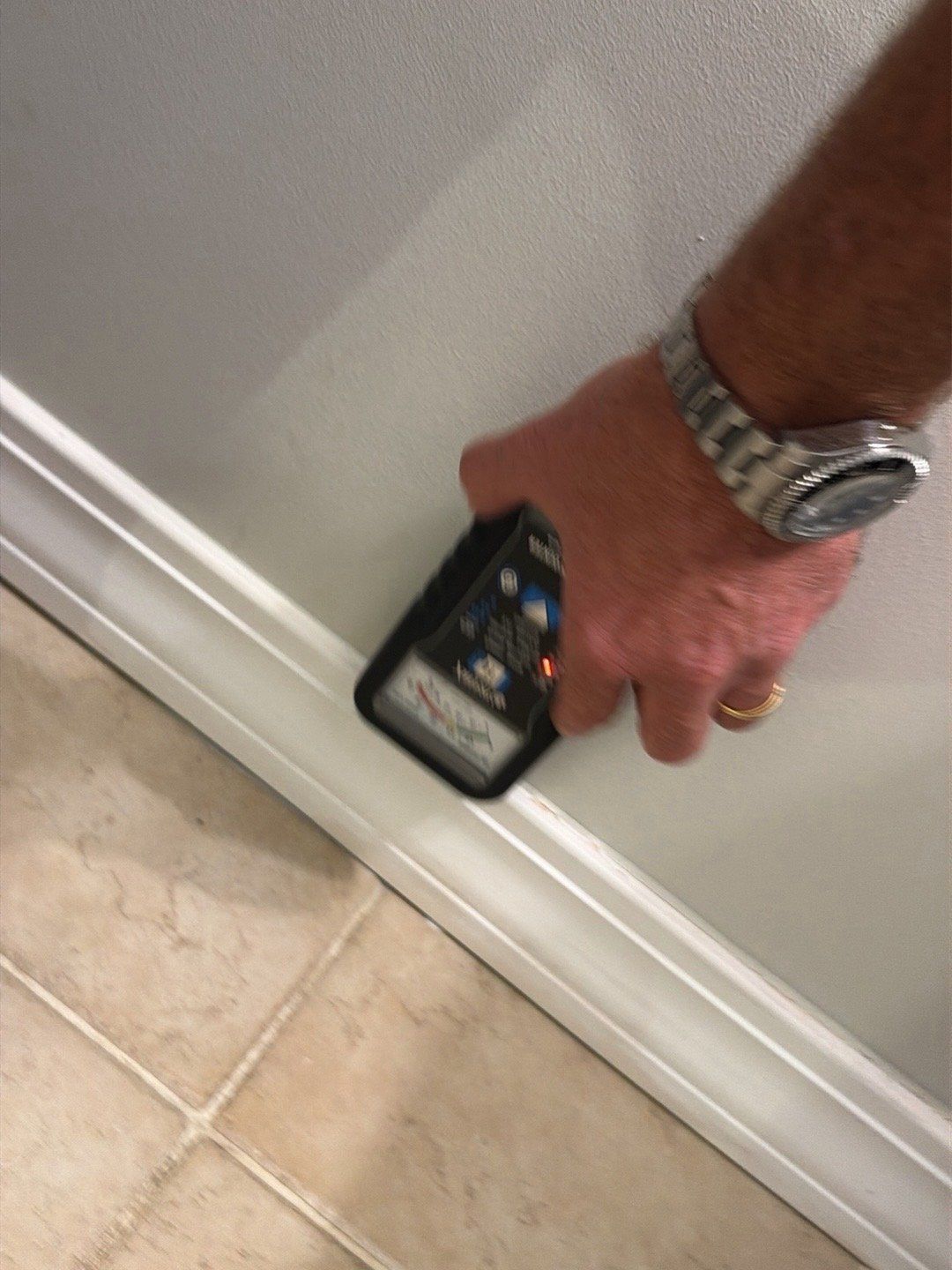
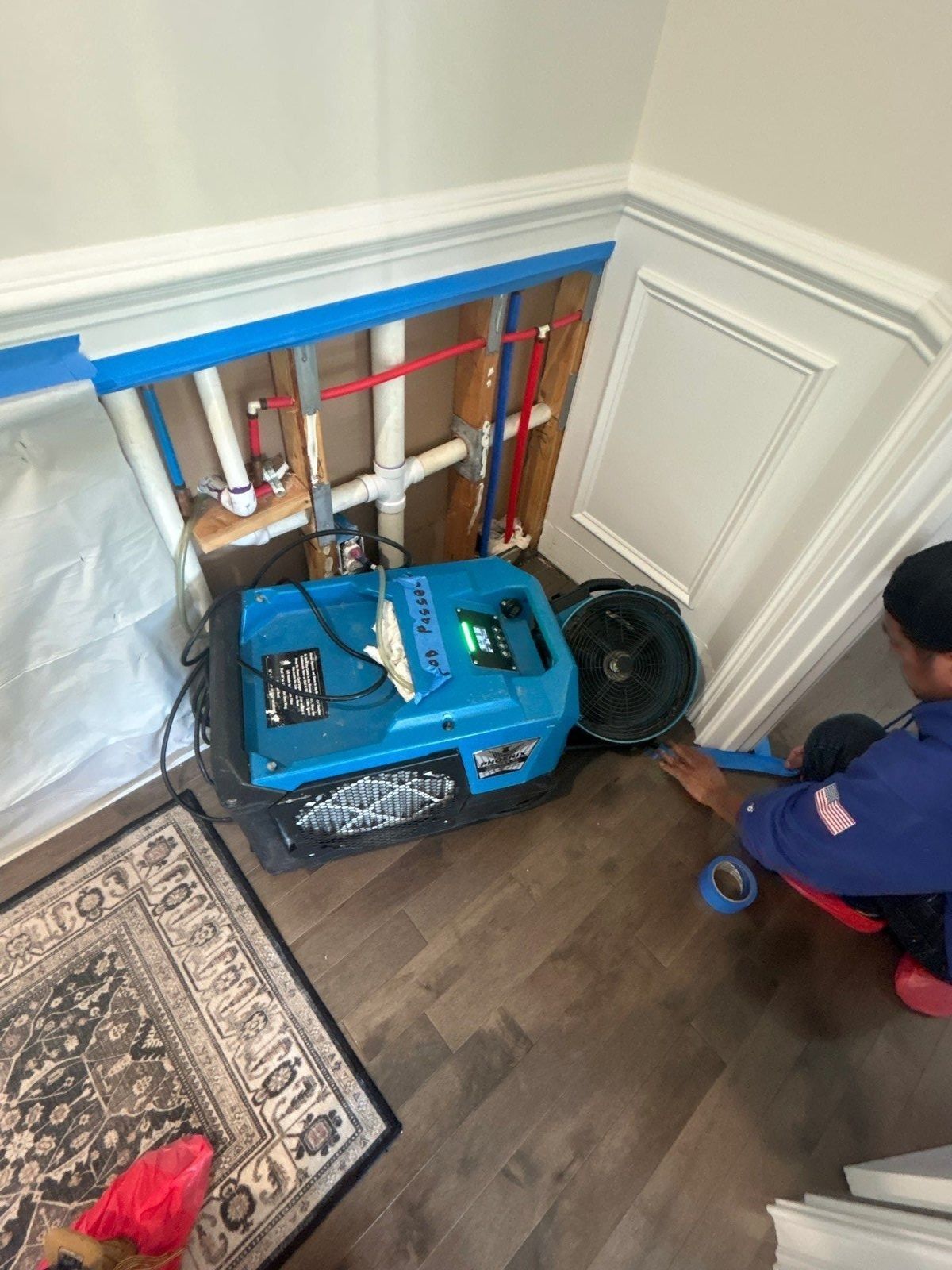
Flash-flood water is rarely clean. Even when it looks like rain, it picks up dirt from yards and streets. Porous materials - carpet, pad, insulation, unfinished wood - soak it up quickly, and finished rooms hide moisture in cavities and under flooring. Proper mitigation removes the bulk water, finds what is still wet with meters and thermal imaging, then dries materials to a dry standard. Waiting turns a short storm into a longer rebuild.
Insurance Notes After Storm Water Intrusion
Coverage typically depends on how the water entered and what your policy says about flood, surface water and sudden storm damage. Standard policies often treat rising flood water differently from water that enters through a storm-damaged opening, so check your policy and ask your agent which coverages apply. When MaxClean Restoration handles the mitigation, we send the invoice to your insurance carrier on your behalf, but the invoice is still the homeowner's responsibility, including your deductible and anything your carrier does not pay. Clear photos, a timeline and a drying log help whichever path your claim follows.
FAQ
Is flash-flood water the same as a clean pipe leak?
Usually no. Storm water that crossed yards, streets or a sewer backup is often Category 2 or 3. Treat it as contaminated until MaxClean Restoration assesses it.
How soon should drying start after the water is gone?
As soon as standing water is extracted. Get wet materials drying inside the first day to stay ahead of the 24-to-48-hour mold window.
Can I stay in the house while the basement or first floor dries?
Often yes if living areas are dry, power is safe and there is no strong contamination odor. Ask MaxClean Restoration on the first visit; every layout is different.
Storm Water Help in Monmouth, Ocean and Middlesex Counties
MaxClean Restoration, based in Freehold, responds 24/7 across Monmouth, Ocean and Middlesex counties for flash-flood and storm water extraction, drying and cleanup. If water just entered your home, call 732-539-2942 and our team will help stabilize it and start the dry-out.