
MaxClean Restoration Blog
Filing a Water Damage Insurance Claim in New Jersey: A Homeowner's Step-by-Step Guide
How to document water damage, work with your adjuster and avoid common claim mistakes. A plain-English guide for NJ homeowners.
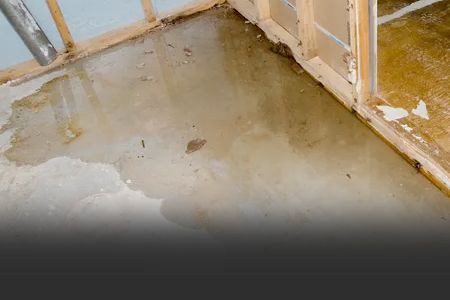
A water loss is stressful enough without the paperwork. The good news is that a few simple habits in the first hours make the insurance process much smoother. This guide is general information, not legal or insurance advice. Every policy is different, so always check your policy and talk to your carrier or agent.
Step 1: Stop the Water and Make It Safe
Shut off the water supply and, if needed, the power to wet areas. Most policies typically expect homeowners to take reasonable steps to prevent further damage, often called "mitigation." Waiting days to address it can hurt a claim.
Step 2: Document Before You Clean
- Take wide photos of each room, then close-ups.
- Record video while you walk through and narrate what you see.
- Photograph the source: the burst line, the failed water heater, the stained ceiling.
- Photograph damaged belongings before you move or throw them away. If you have to discard something for health reasons (like items soaked with sewage), photograph it first and keep a list.
Step 3: Call Your Carrier Promptly
Report the claim as soon as reasonably possible. Write down:
- Your claim number
- Your adjuster's name and contact info
- The date and time of every call, and what was said
Step 4: Start Professional Mitigation
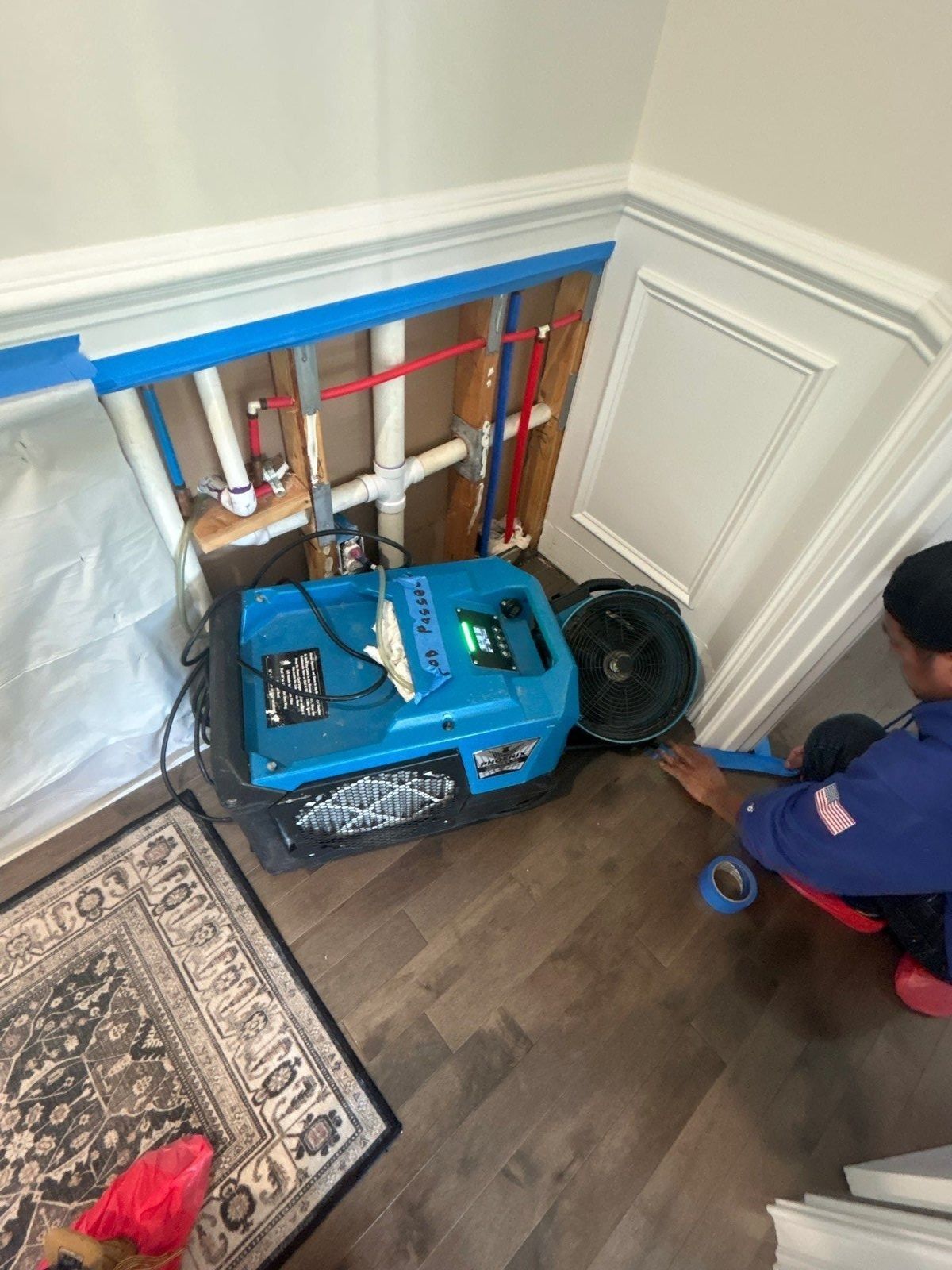
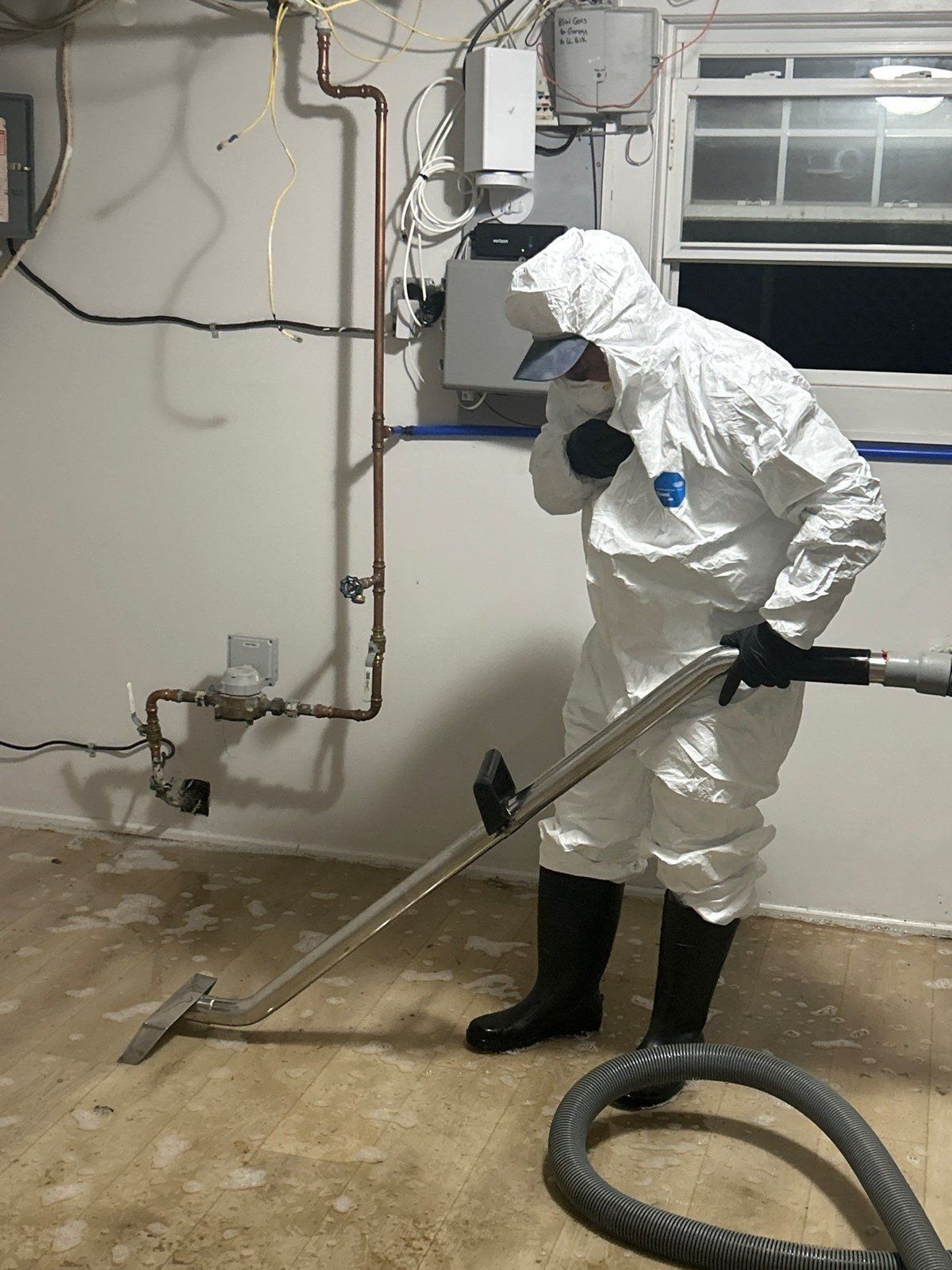
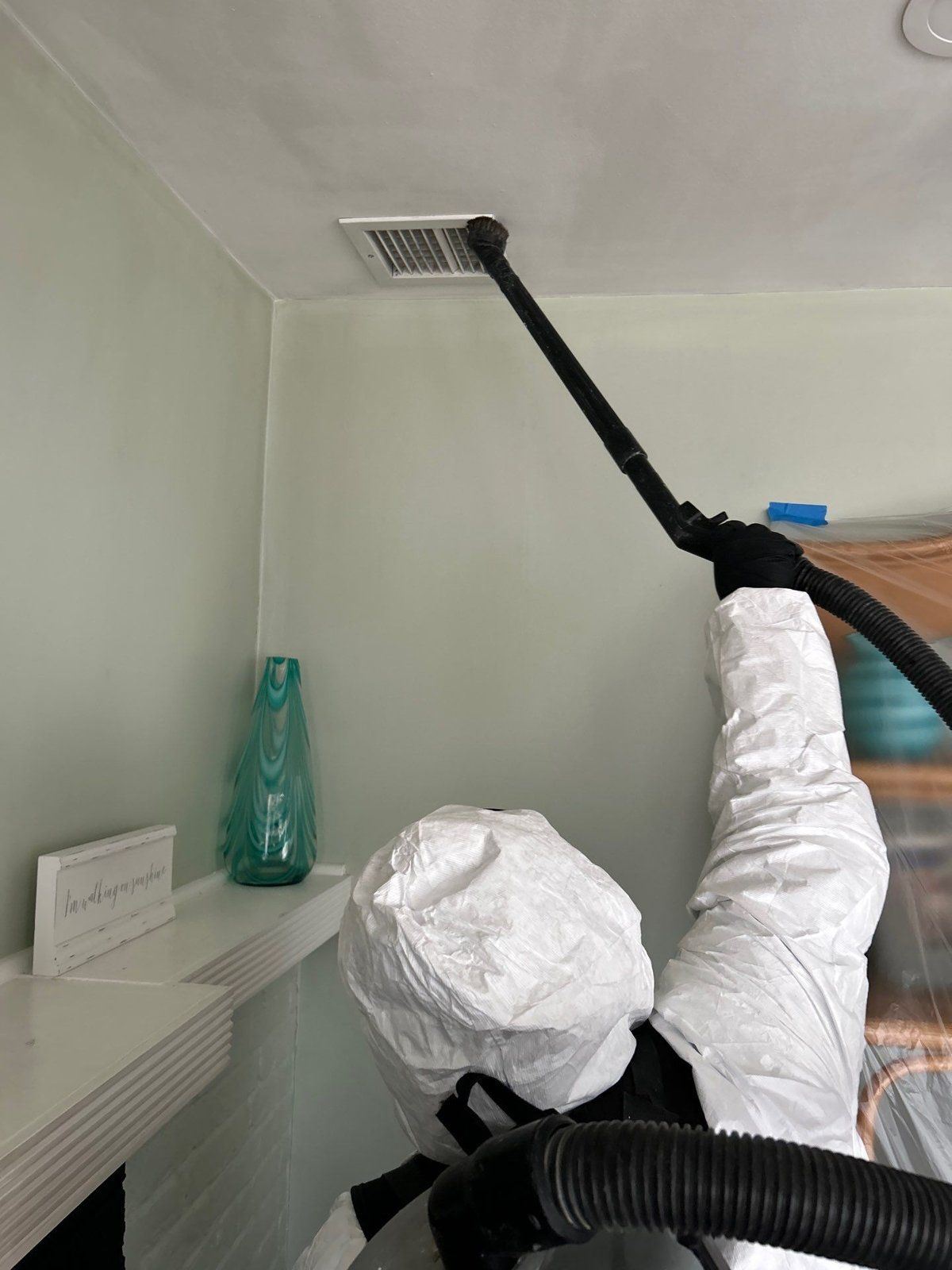
You typically don't need to wait for an adjuster's visit to start emergency drying, but confirm with your carrier. A mitigation company like MaxClean Restoration should provide:
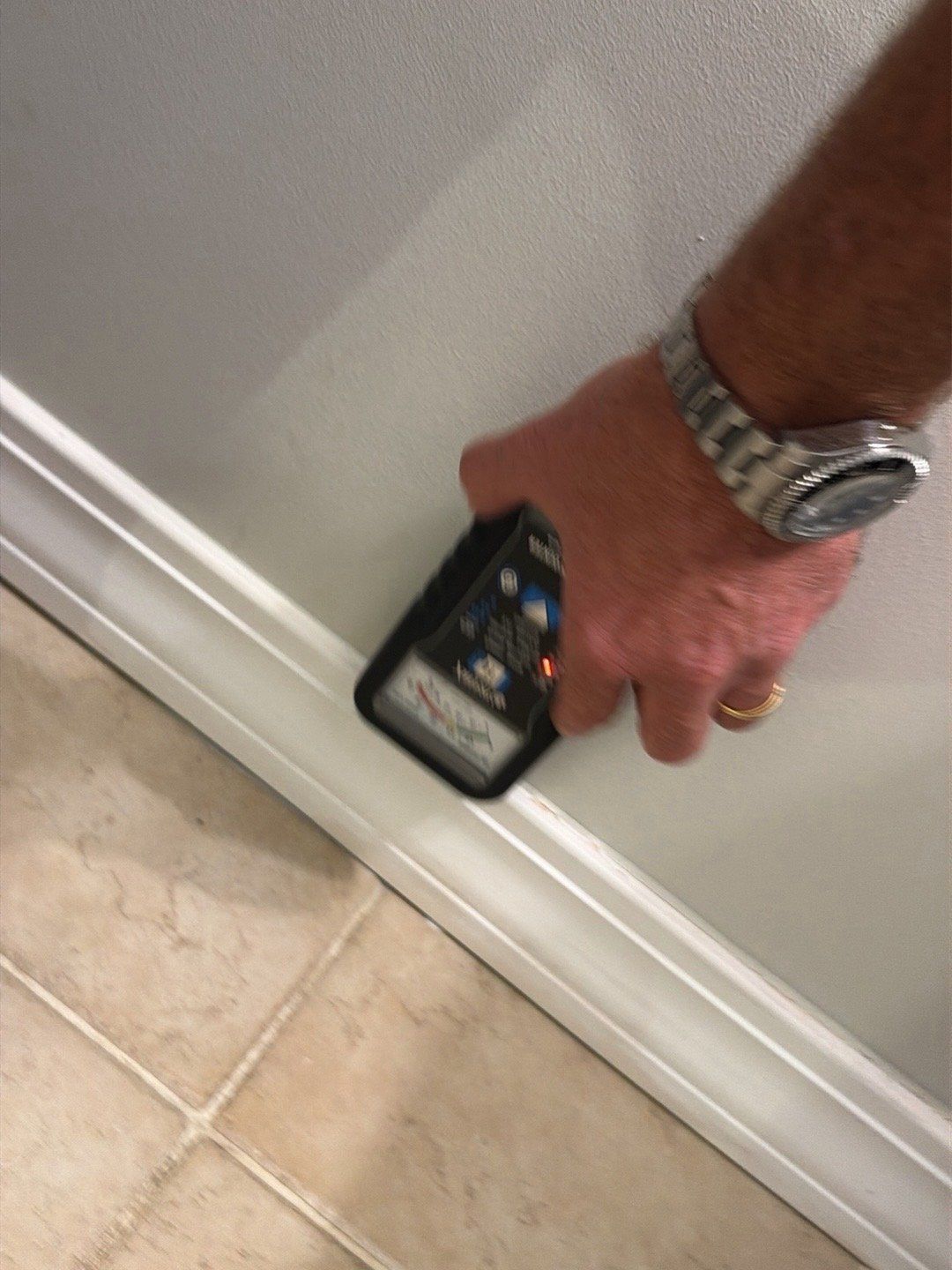
Moisture documentation
Daily moisture readings for walls, floors and materials, along with photos. This drying log shows the adjuster why equipment was needed and when the structure reached its dry standard.
An itemized estimate
Many carriers use estimating software such as Xactimate. A restoration contractor familiar with it can speak the adjuster's language.
Clear communication
Ask the contractor to send you copies of the photos, readings and invoices they submit.
Step 5: Understand Common Coverage Terms
- Sudden and accidental: Many policies typically cover sudden events, like a burst pipe or a failed supply line, and exclude gradual leaks.
- Water backup endorsement: Sewer and drain backups and sump overflows are often excluded unless you have this rider.
- Flood: Surface water from outside (rising water) is generally covered only by a separate flood policy.
- Additional living expenses (ALE): These may cover hotel and meal costs if the home isn't livable.
- Deductible: This is what you pay before coverage applies.
Step 6: Keep Receipts and a Contents List
Track every expense: emergency supplies, hotel stays, meals and replacement items. For damaged contents, list the item, its approximate age and cost, and attach a photo.
Common Mistakes to Avoid
- Throwing items away before they're photographed
- Waiting days to start drying
- DIY demolition with no photos of what was removed
- Not asking for written explanations of anything that's denied
You Can Choose Your Contractor
Homeowners can generally choose their own restoration company. Your carrier may suggest preferred vendors, but you're usually not required to use them. Check your policy.
FAQ
Will filing a claim raise my premium?
It can, depending on your carrier and your claims history. Talk to your agent.
What if I disagree with the adjuster's estimate?
Ask for the itemized estimate in writing. Your contractor can provide supporting documentation. Policies often describe a dispute or appraisal process.
Does MaxClean send the bill to my insurance company?
We send the invoice to your insurance carrier on your behalf, but the invoice is still the homeowner's responsibility. That includes your deductible and anything your carrier doesn't pay. We also provide the documentation your adjuster needs. Call us to talk through your situation.
Let Us Handle the Documentation
MaxClean Restoration helps homeowners across Monmouth, Ocean and Middlesex counties, from Manalapan and Toms River to Woodbridge and Edison, with water mitigation, from the drying logs to working with adjusters. Call 732-539-2942, 24/7.