
MaxClean Restoration Blog
Fall Rain and Basement Leaks: How Clogged Gutters and Window Wells Let Water In (and What to Do About It)

Early November is when the leaves come down hardest across Central Jersey, and it's also when the first long, soaking rains of the season roll through. Put those two together and you get gutters packed with wet leaves, downspouts that back up, and water spilling right next to the foundation. In older neighborhoods in Middletown, split-levels in East Brunswick and ranch homes near the bay in Brick, that's often how a dry basement suddenly isn't.
The good news: most fall basement leaks start outside the house, and most of the fixes are simple if you get to them before the storm.

How Fall Rain Ends Up in Your Basement
Water usually takes one of a few paths:
- Overflowing gutters dump water straight down along the foundation wall instead of carrying it away
- Short or disconnected downspouts release water a foot from the house, where it soaks down to the basement walls
- Window wells fill with leaves and rain, then leak through the window frame or seep under it
- Settled soil or mulch slopes toward the house instead of away from it
- Cracks and gaps around pipes, the sill plate or the foundation let pooled water in
One inch of rain on an average roof is well over a thousand gallons of water. If the gutters can't move it, a lot of it ends up against your foundation.
Your Fall Water Checklist
1. Clean the gutters after the leaves drop
Clear them once most of the leaves are down, not just in early October. Check that water runs freely toward each downspout.
2. Extend every downspout
Aim to discharge water at least 4 to 6 feet from the foundation, farther if the yard is flat. Inexpensive extensions or splash blocks make a real difference.
3. Clear and cover window wells
Scoop out leaves and debris, make sure the drain at the bottom of the well isn't clogged, and consider a clear well cover to keep rain and leaves out.
4. Check the grading
The soil around your house should slope away from the walls. Low spots right next to the foundation tend to collect water during every storm.
5. Walk the basement during the next rain
Look for damp spots on walls, water at the base of window frames and wet carpet edges. Catching a small seep early is much easier than drying out a finished basement later.
What to Do if Water Gets In
If rain water is already coming into the basement:
- Stay safe. Don't walk through standing water near outlets, extension cords or appliances. Shut off power to the area if you can do it safely.
- Find the entry point. A window well, a wall crack or a floor seam tells you a lot about how to stop it.
- Move belongings up and out. Get boxes, rugs and electronics off the floor.
- Take photos and video of the water and damaged items before anything is thrown out.
- Call MaxClean Restoration at 732-539-2942 to extract the water and start drying.
Why Fast Drying Matters
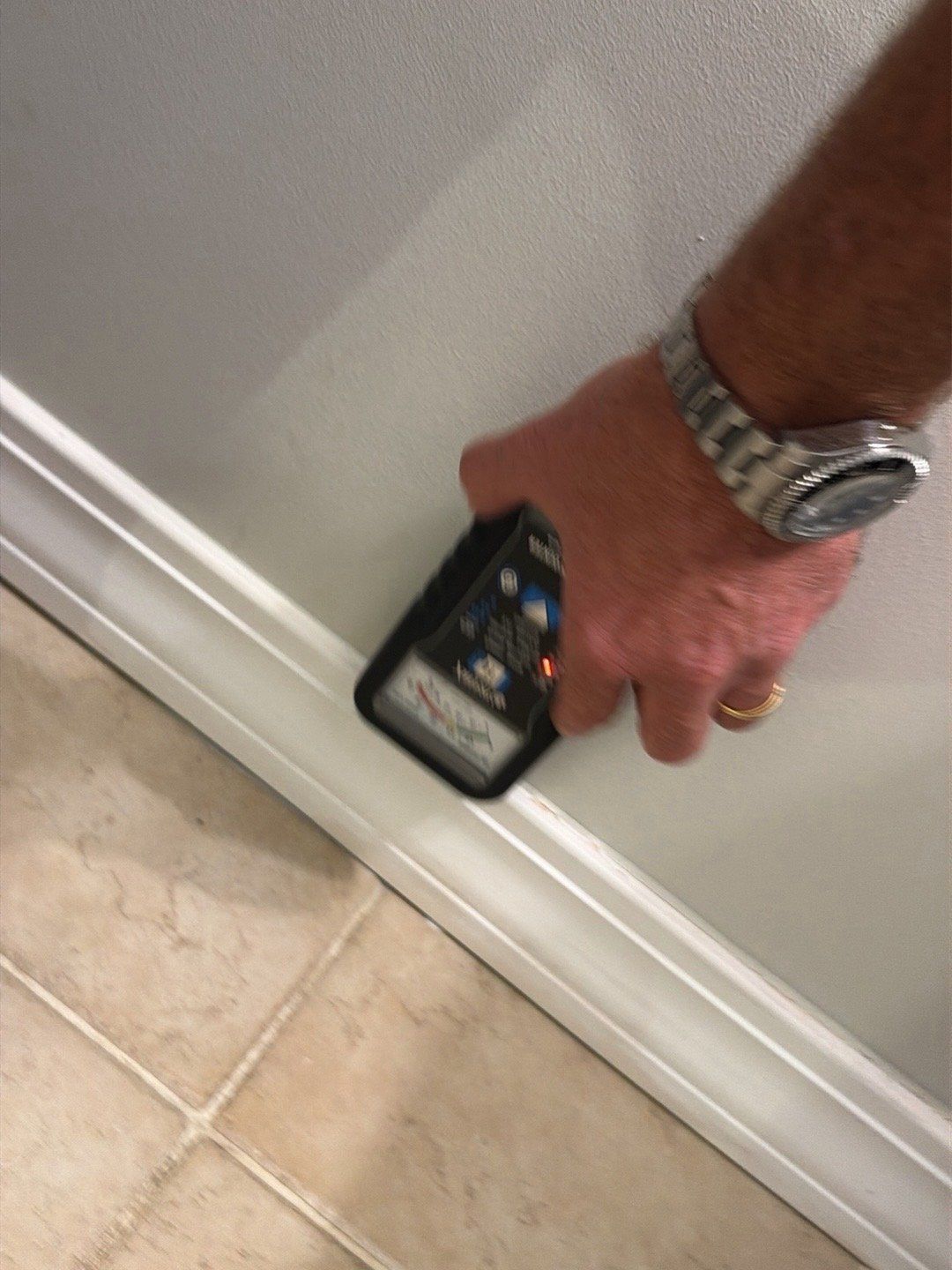
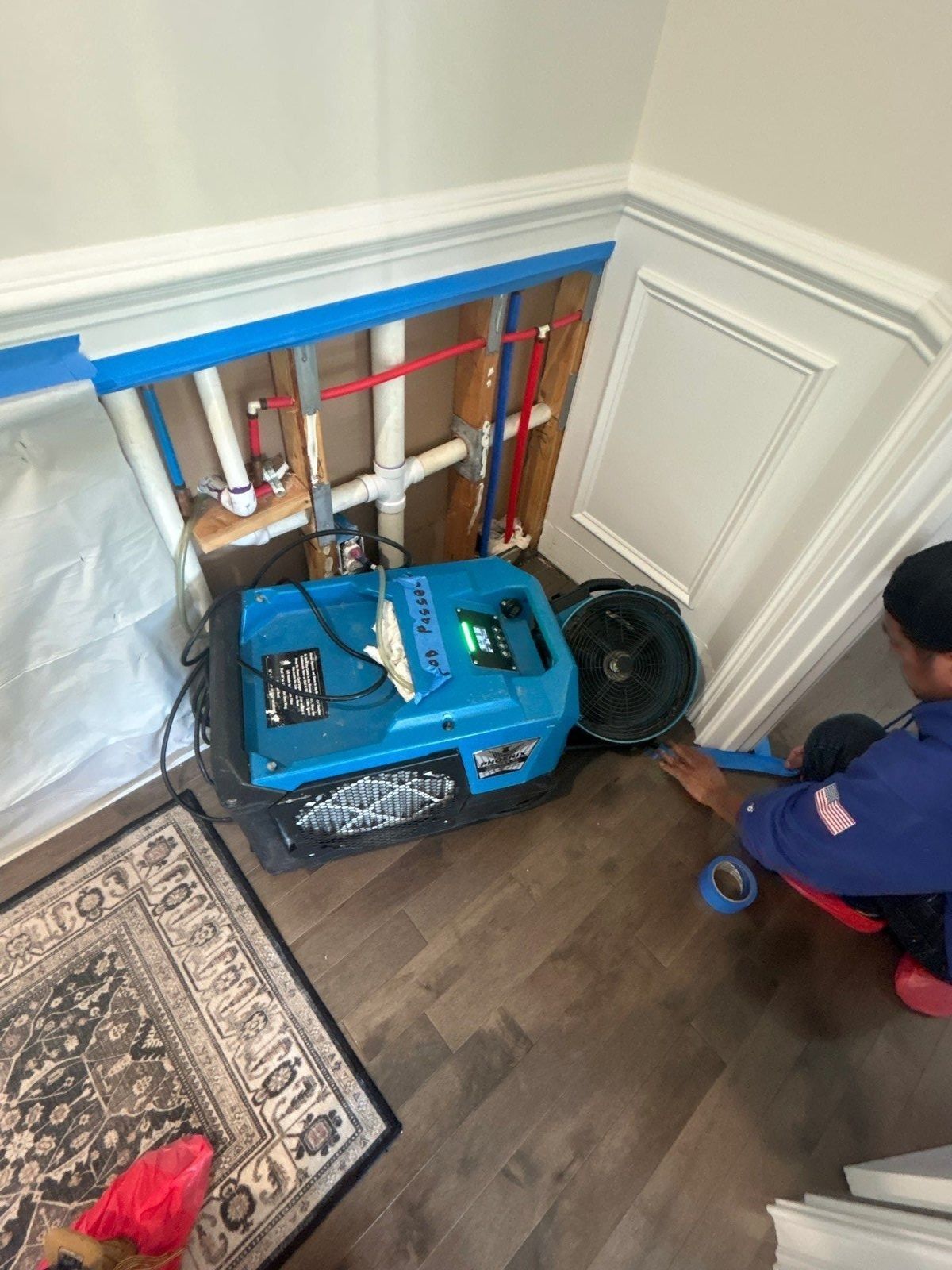
Finished basements hide water. Drywall wicks it upward, carpet pad holds it, and the bottom plate of a wall can stay wet long after the floor looks dry. Mold can start growing within roughly 24 to 48 hours in those conditions. A proper dry-out uses moisture meters and thermal imaging to find the wet areas, then air movers and dehumidifiers to dry them, with readings logged until the materials reach a dry standard.
Will Insurance Cover Rain Water in the Basement?
It depends on how the water got in. Water that seeps through the foundation or comes up from the ground is typically treated differently from water that comes in through a sudden opening like a storm-damaged roof or window. Some policies exclude groundwater and surface water, and others offer added coverage through riders. Check your policy, and document everything before cleanup starts so you have it if you file a claim.
FAQ
Why does my basement only leak during heavy fall storms?
Often it's because the gutters and window wells are full of leaves, so water that normally drains away pools against the foundation. Clearing them and extending the downspouts usually helps a lot.
Is a little water at the bottom of a window well a problem?
A small amount after rain that drains quickly is normal. Water that sits for hours, or water you see on the inside of the window frame, means the well drain or window seal needs attention.
Can I dry a wet basement with fans and a shop vac?
For a small spill on concrete, maybe. For wet carpet, drywall or wall framing, hidden moisture usually stays behind, so it's best to call MaxClean Restoration to measure and dry it properly.
Basement Water Help in Monmouth, Ocean and Middlesex Counties
MaxClean Restoration, based in Freehold, helps homeowners across Monmouth, Ocean and Middlesex counties with basement water extraction, drying and mold prevention, 24/7. If fall rain gets into your basement, call 732-539-2942 and our team will help you get it dry and back to normal.