
MaxClean Restoration Blog
Holiday Kitchen Fires: Prevention, the First 24 Hours, and Smoke Cleanup
Fire departments consistently report Thanksgiving as the peak day of the year for home cooking fires, and the stretch from late November to New Year's stays busy. Most kitchen fires are small: a pan, a burner, an oven. Even a fire that's out in seconds can leave smoke residue and odor throughout the first floor of a Middletown, Toms River or Edison home.
This guide covers prevention, what to do after a small fire, and why smoke cleanup is harder than it looks.
Prevention: The Habits That Matter Most
Stay in the kitchen
Unattended cooking is the leading cause of kitchen fires. If you're frying, sautéing or broiling, stay in the room.
Turkey fryers belong outside
Keep them on a flat surface, well away from the house, the deck and the garage. Thaw the turkey completely and don't overfill the oil.
Keep a lid and an extinguisher within reach
For a grease fire in a pan, turn off the heat and slide a lid over it. Never use water on a grease fire. A kitchen-rated (ABC or K-class) extinguisher is worth the shelf space.
Clean the range hood filter
Grease buildup in the hood and filter fuels flare-ups. Before the holidays is a good time to degrease it.
Test the smoke alarms
Press the test button, and replace any alarm that's 10 years old or older.
If a Small Fire Happens
- Get everyone out if there's any doubt. Call 911. Even if the fire seems out, firefighters can check for heat in walls and the hood duct.
- Don't turn on the HVAC system until it's been checked. It can spread soot through the ductwork to every room.
- Don't wipe soot. Rubbing it with a wet rag or household cleaner usually smears it into paint and grout and can set stains for good.
- Ventilate by opening windows if the weather allows.
- Take photos before cleaning or throwing anything away.
- Call your insurance carrier and MaxClean Restoration.
Why Smoke Damage Spreads Farther Than the Flames
Smoke moves with air pressure and heat. It settles on cooler surfaces like exterior walls, closet interiors and the backs of cabinets. Kitchen fires often produce protein residue (from burned food), which is nearly invisible but leaves a strong, stubborn odor and a yellow film. Synthetic materials leave greasy black soot.
What professional cleanup involves
- Assessment: finding out how far residue traveled, room by room
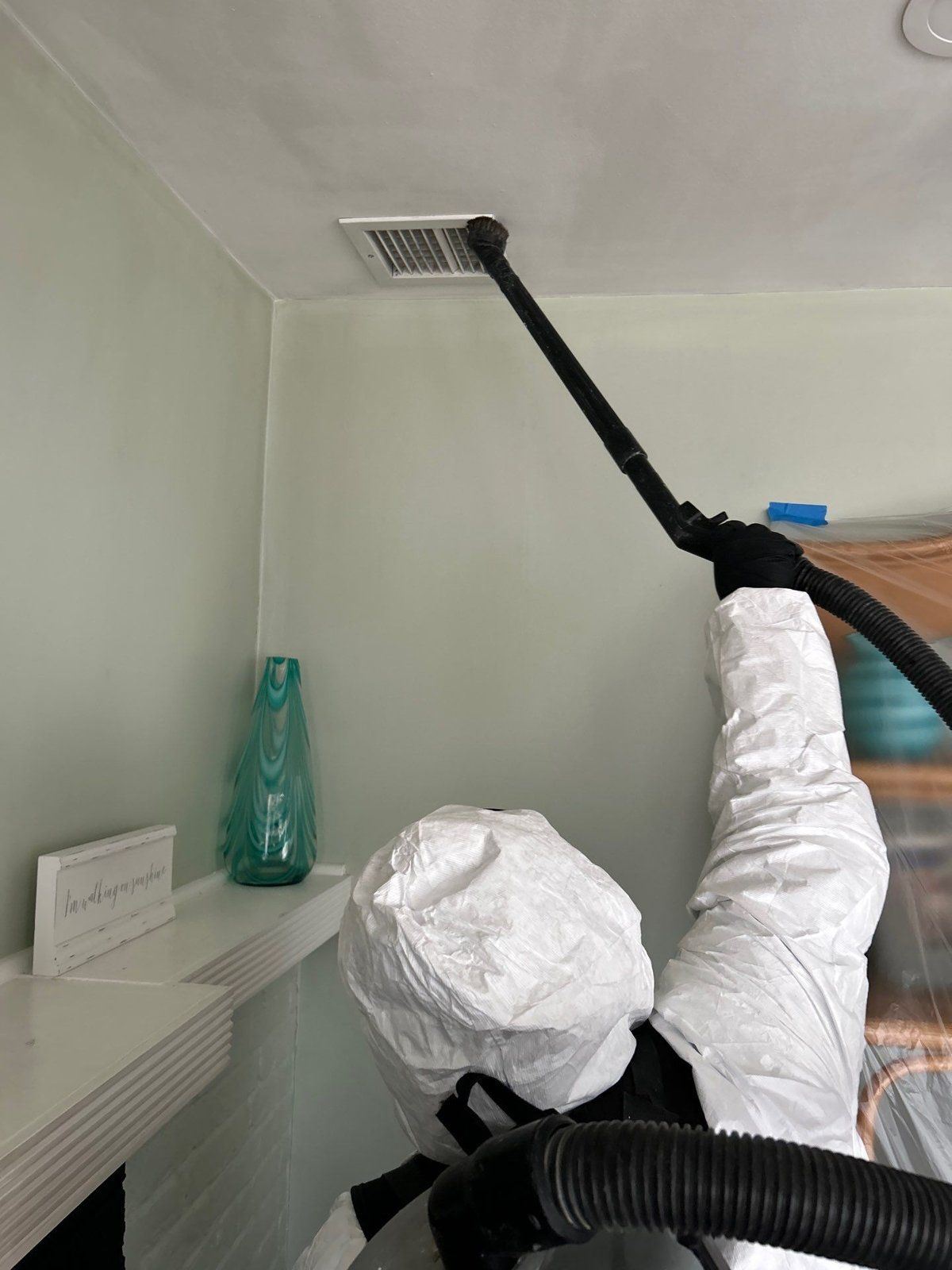
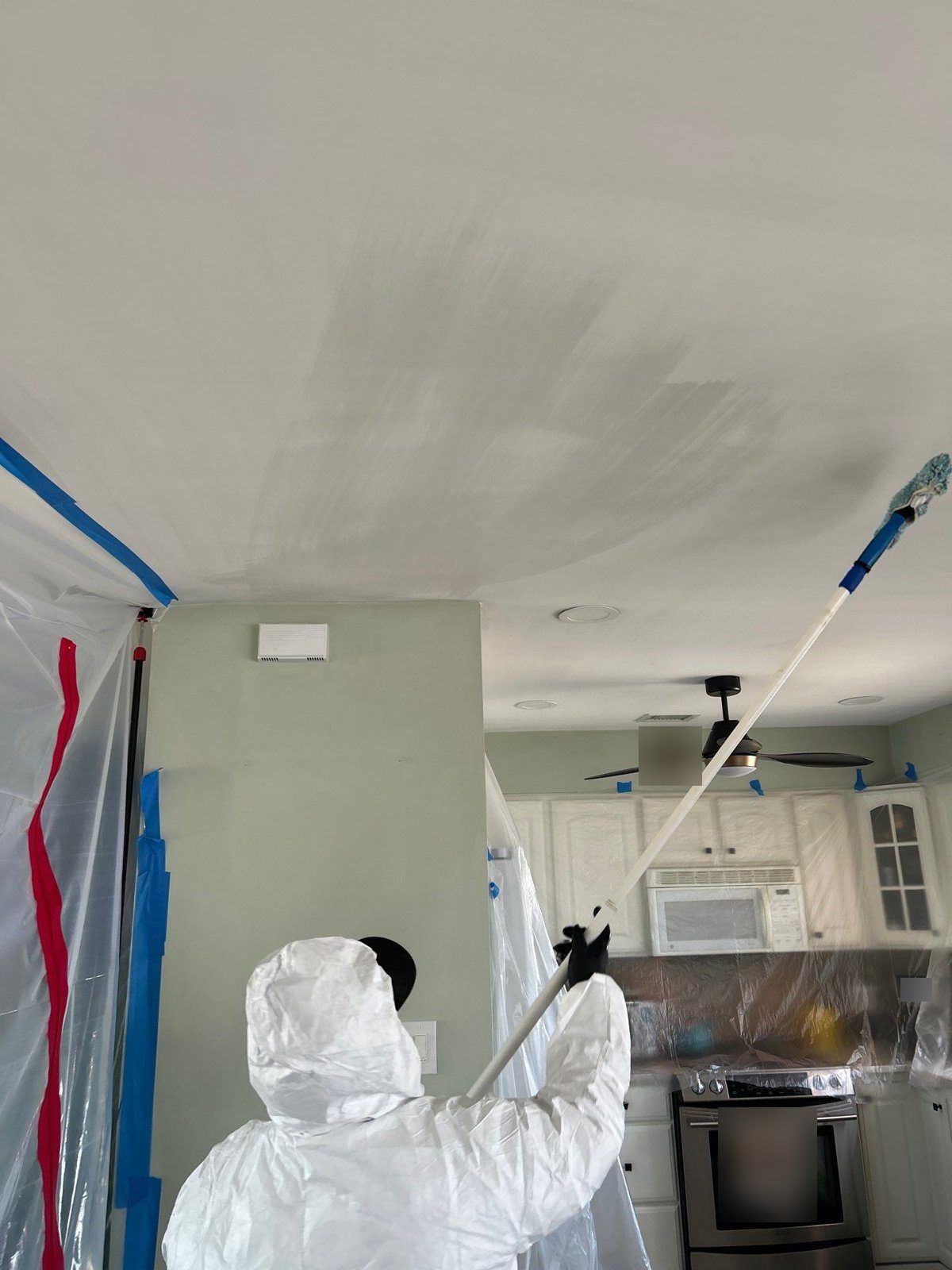
- Dry soot removal with chemical sponges and HEPA vacuums before any wet cleaning
- Surface cleaning with the right cleaners for each residue type
- Contents cleaning of dishes, small appliances, textiles and more
- Odor control with methods such as thermal fogging, hydroxyl or ozone, used safely and only where appropriate
- Duct cleaning if the HVAC system ran during or after the fire
- Sealing and repainting where odor or staining remains
Insurance Notes
Fire is usually covered under most homeowner policies, but limits, deductibles and contents coverage vary, so check your policy or ask your agent. Keep receipts for any hotel stays or meals if you can't use the home, and ask your carrier whether your policy includes additional living expenses.
We send the invoice to your insurance carrier on your behalf, but the invoice is still the homeowner's responsibility. That includes your deductible and anything your carrier doesn't pay.
FAQ
Can I just paint over smoke stains? Not without cleaning and sealing first. Odor and stains usually bleed through regular paint.
How long does kitchen smoke cleanup take? A small, contained kitchen fire may take a few days. Larger fires that need rebuild work can take weeks.
Is it safe to stay in the house? It depends on the extent of the damage, the soot, and whether utilities are safe. Ask the fire department and MaxClean Restoration.
We're Here Through the Holidays
MaxClean Restoration handles fire and smoke damage cleanup across Monmouth, Ocean and Middlesex counties, from Holmdel to Brick to Woodbridge. We work 24/7, including holidays, and we're usually on site in about an hour near Freehold. Call 732-539-2942.