
MaxClean Restoration Blog
How to Keep Pipes From Freezing This Winter: A Central New Jersey Homeowner's Checklist
Simple fall steps that keep pipes from freezing and bursting in Monmouth, Ocean and Middlesex county homes, plus what to do if one breaks.
Every January, Central Jersey gets a few nights in the teens. That's when the calls start: a pipe in an outside wall, a crawl space or an unheated garage freezes, splits, and then lets go when it thaws. Mid-October is the best time to prevent it. It's still warm enough to get into the crawl space, and the hardware store still has foam sleeves on the shelf.
Here's a practical checklist for homes across Monmouth, Ocean and Middlesex counties, from newer developments in East Brunswick to the older farmhouses and crawl-space homes out in Millstone and Jackson.
Why Pipes Burst (It's Not the Ice Itself)
When water freezes in a pipe, the ice pushes water back toward a closed faucet and pressure builds between the ice and the fixture. The split usually opens in that section, often a few feet away from the frozen spot. That's why many breaks don't show up until the thaw. The water starts running and the leak can go unnoticed for hours, especially in a finished basement or behind a kitchen cabinet.
The Fall Checklist
1. Find the at-risk pipes
Walk the house and look for supply lines that run:
- Along exterior walls, especially under kitchen and bathroom sinks
- Through crawl spaces, unheated garages or attics
- To hose bibs and outdoor kitchens
- Over cantilevered floors and bump-outs, which are common in 1980s–2000s colonials around Marlboro and Manalapan
2. Shut off and drain outdoor faucets
Close the interior shutoff for each hose bib, open the outside faucet to drain it, and disconnect the hoses. Even "frost-free" sillcocks can split if a hose is left attached and traps water.
3. Insulate what you can reach
Foam pipe sleeves are cheap and fast. In crawl spaces, also check that vents can be closed for winter and that the insulation hasn't fallen down.
4. Seal drafts near plumbing
A small gap where a cable or dryer vent goes through the rim joist can blow freezing air right onto a pipe. Spray foam or caulk fixes most of them.
5. Know where your main shutoff is
Find the main water valve now, make sure it turns, and show everyone in the house where it is. In a burst-pipe emergency, those first minutes make the most difference.
6. Plan for cold snaps and trips
- Keep the thermostat at 55°F or higher, even when you're away.
- On the coldest nights, open the cabinet doors under sinks on exterior walls.
- Let a faucet on a vulnerable line drip slightly.
- If you're traveling for the holidays, ask someone to check the house, or consider a water-leak sensor or an automatic shutoff valve.
If a Pipe Does Burst
- Shut off the main water right away.
- Turn off power to affected areas if water is near outlets or the panel, but only if you can do it safely.
- Open faucets to drain the remaining pressure.
- Take photos and video before you move anything. Your insurance adjuster will want them.
- Call a plumber to repair the line and MaxClean Restoration to start drying.
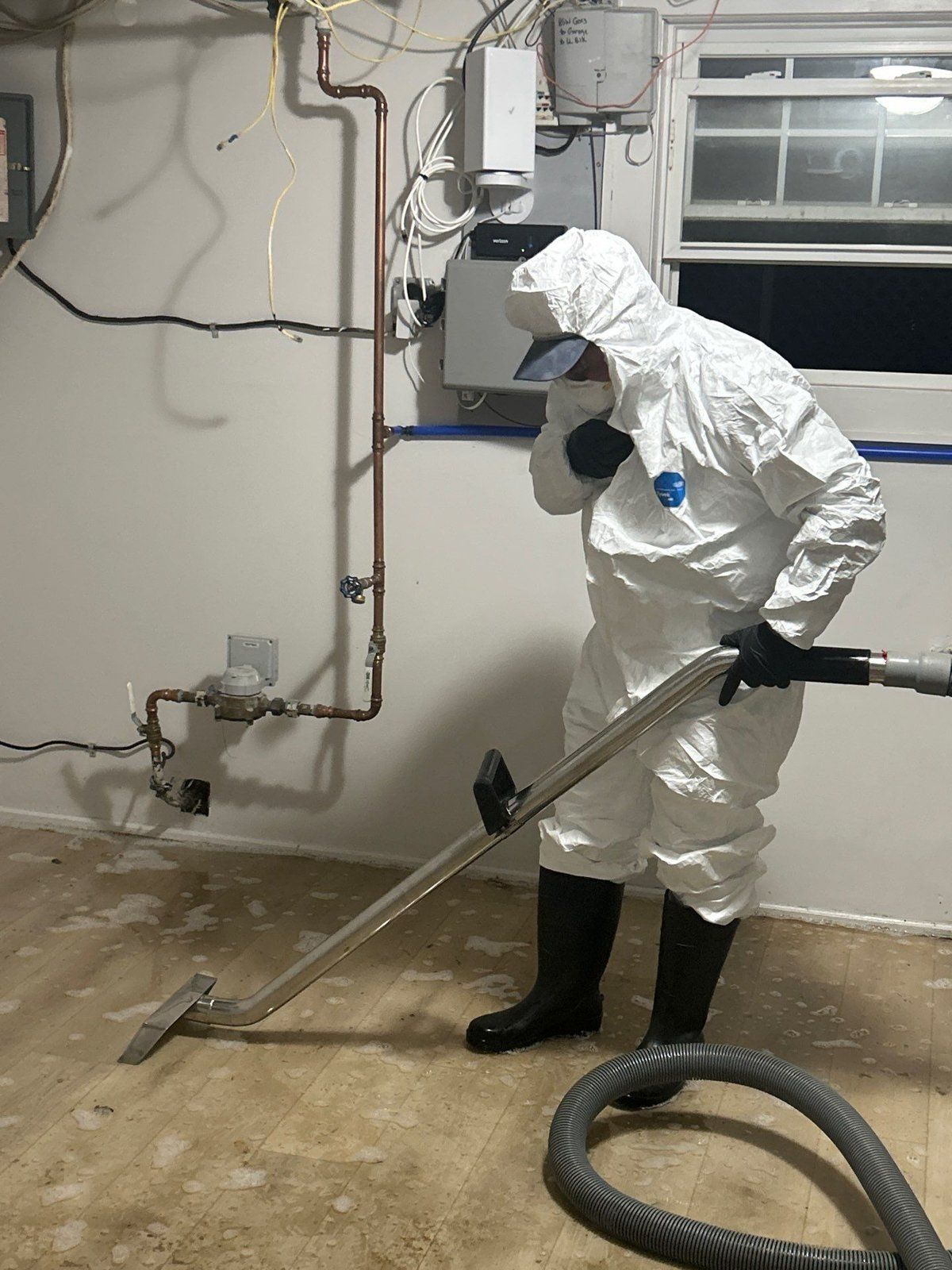
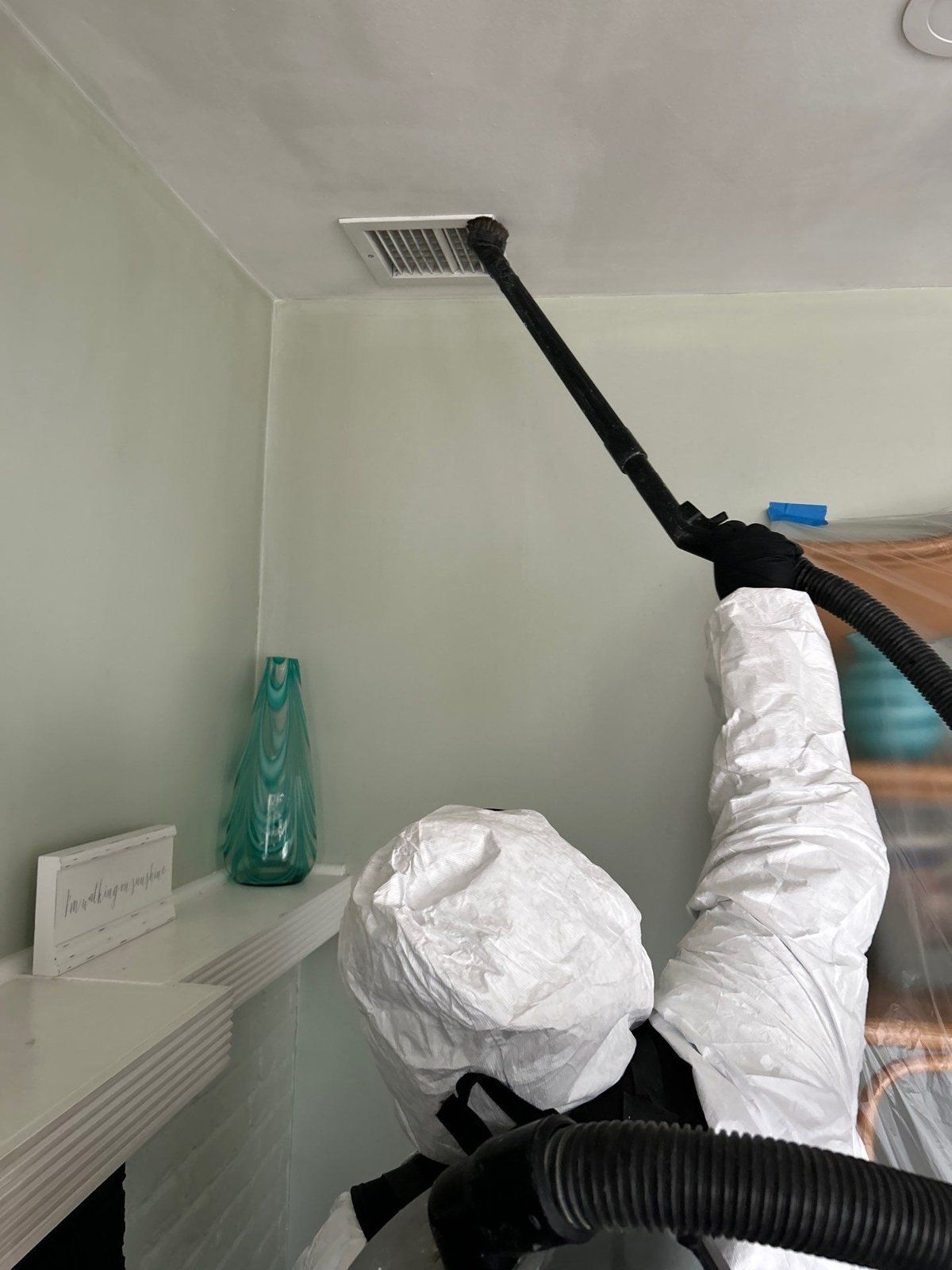
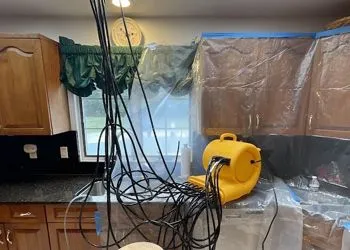
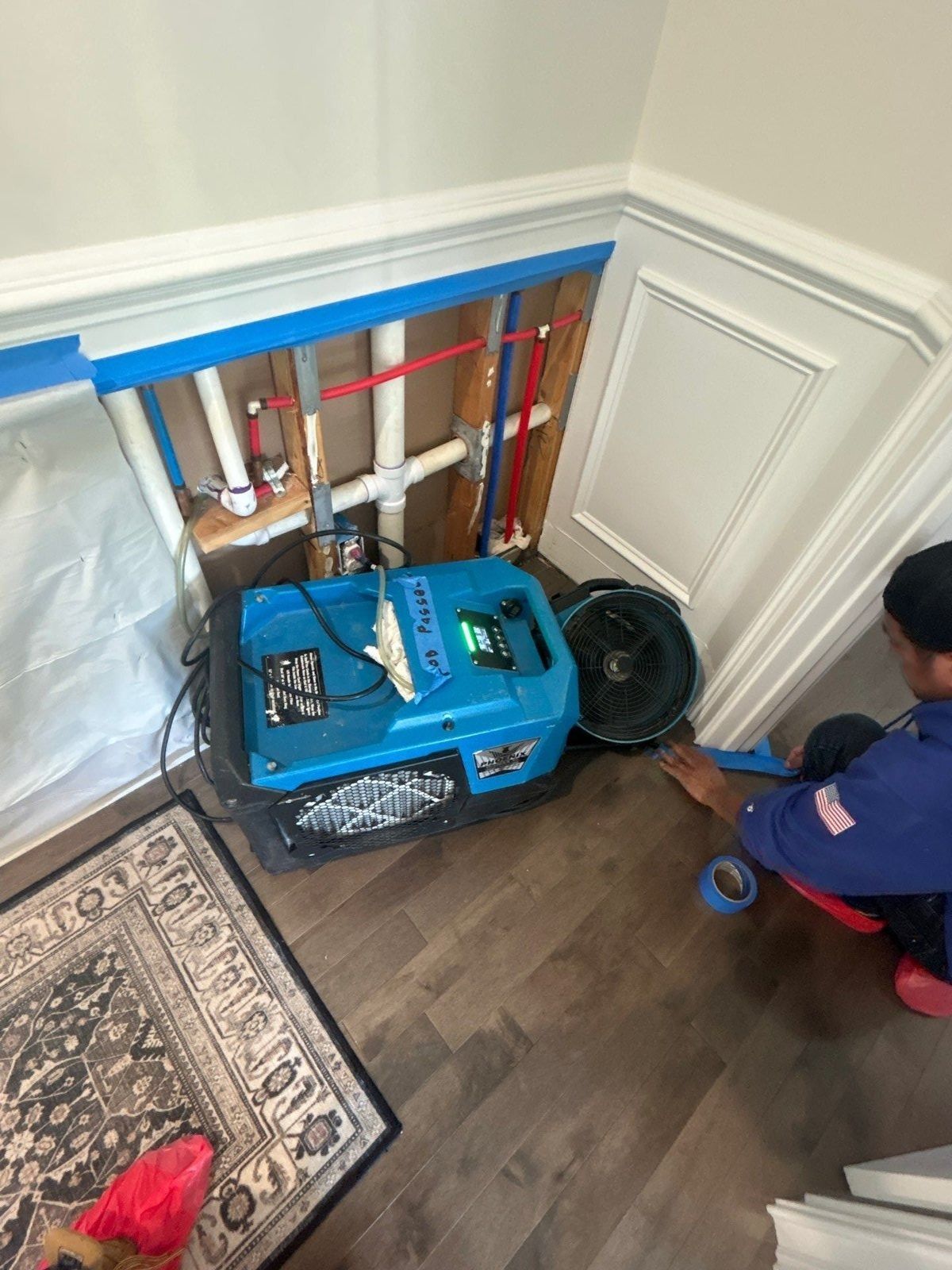
Speed matters. Wet drywall, insulation and subfloor can start growing mold within roughly 24–72 hours, depending on conditions. Professional drying uses moisture meters, air movers and dehumidifiers, and documents readings every day until the materials reach their dry standard.
Will Insurance Cover a Burst Pipe?
Many standard homeowner policies typically cover sudden and accidental water damage from a burst pipe. They often exclude damage from long-term leaks, or from freezing in a home that wasn't adequately heated. Every policy is different, so check your policy and talk to your agent or carrier. Keeping the heat on and documenting the damage right away helps.
FAQ
What temperature do pipes freeze at? Pipes in unheated or exterior spaces are at risk once outdoor temperatures drop into the low 20s°F or below, especially over several hours or with wind.
Should I use a space heater or hair dryer on a frozen pipe? Gentle heat from a hair dryer or a heating pad can work on an exposed pipe. Never use an open flame. If you can't find the frozen section, call a plumber.
How long does drying take after a burst pipe? Typically 3–5 days for a standard water loss, longer if water reached hardwood, subfloors or wall cavities. We confirm dryness with meter readings rather than guessing.
Need Help Now?
MaxClean Restoration provides 24/7 water damage mitigation across Monmouth, Ocean and Middlesex counties from our base in Freehold. If a pipe lets go this winter, call 732-539-2942. We'll help you stop the damage and start drying the same day.