
MaxClean Restoration Blog
Sump Pump Failure: Warning Signs, a Fall Maintenance Checklist, and What to Do if Your Basement Floods
Keep your sump pump ready for winter storms and spring thaw. Central NJ homeowners: maintenance checklist, warning signs and flood steps.
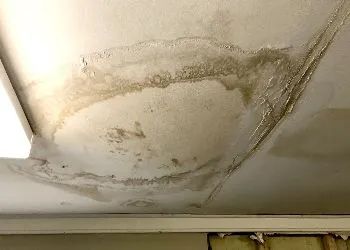
Lots of homes around Howell, Lakewood and Old Bridge have high water tables and finished basements. That puts a lot of weight on a single pump in a pit. Nor'easters, heavy rain on frozen ground and the spring thaw can all test it, and most failures happen at the worst time: during a storm, when the power goes out.
Why Sump Pumps Fail
- Power outages during the same storm that's raising the water table
- A stuck float switch caught on the pit wall or the power cord
- Old age, since many pumps last roughly 7–10 years
- Undersized pumps that can't keep up with heavy inflow
- A frozen or clogged discharge line outside the house
- A failed check valve that lets water flow back into the pit
Fall Maintenance Checklist
1. Test it
Pour a bucket of water into the pit slowly. The pump should start, empty the pit and shut off cleanly.
2. Clean the pit
Remove debris, gravel and silt that can jam the float or clog the intake.
3. Check the discharge line
Make sure it carries water well away from the foundation, at least 10 feet if possible. Keep the end clear of leaves and protect it from freezing.
4. Listen to the check valve
A loud thunk after the pump shuts off is normal. Water draining back into the pit is not.
5. Add backup protection
- A battery backup pump or a water-powered backup
- A high-water alarm that sounds or sends a phone alert
- A generator plan for long outages
6. Know the age of your pump
If it's close to 10 years old, replace it on your schedule rather than during a storm.
If the Basement Floods
- Stay safe. Don't walk into standing water if any outlets, cords or appliances are submerged. Shut off power at the panel only if you can reach it without stepping in the water.
- Find out where the water came from. Groundwater from a failed pump is different from a sewer backup. If the floor drain or toilets are backing up, treat it as sewage and stay out.
- Take photos and video.
- Move contents off the wet floor if it's safe.
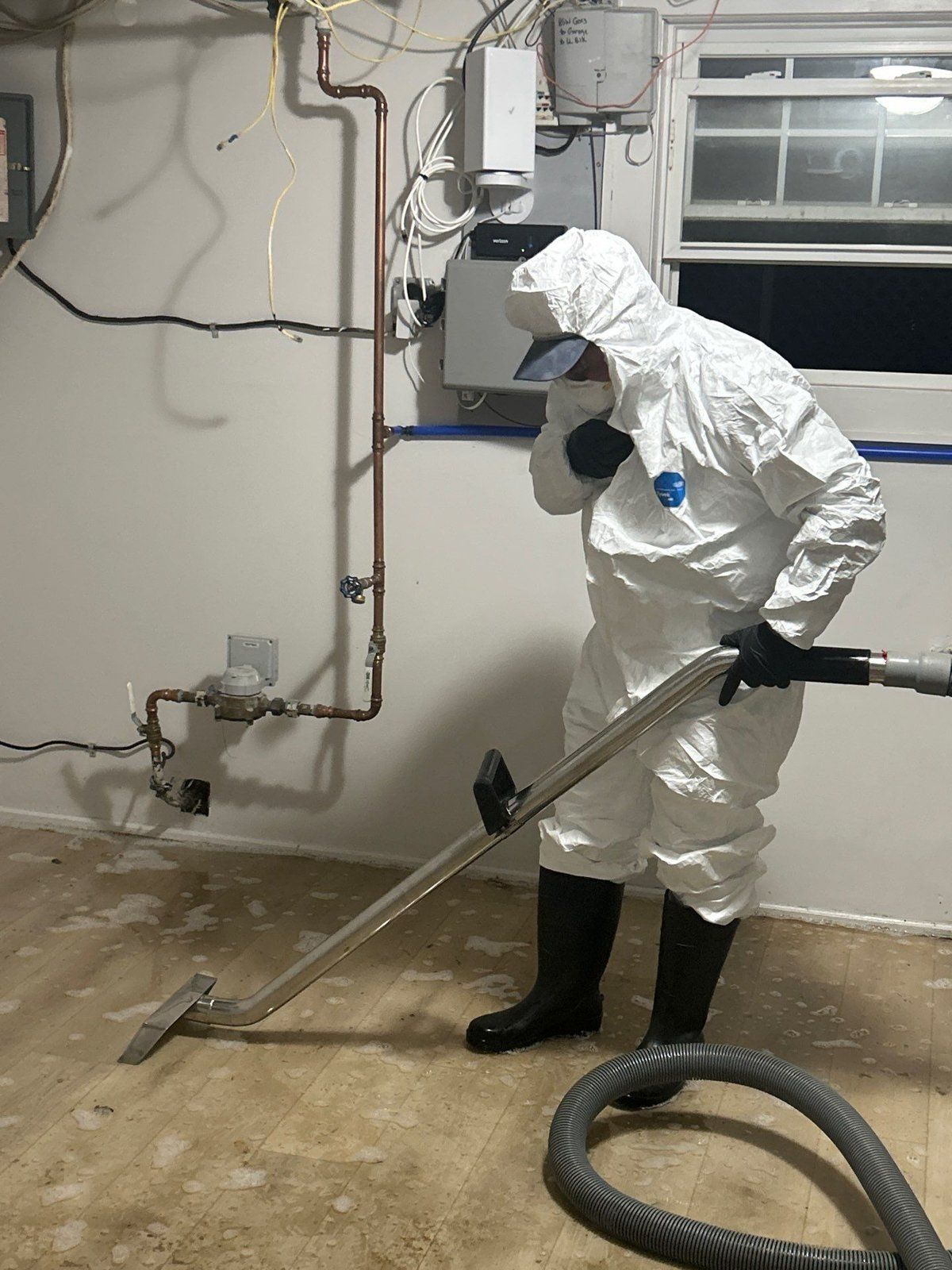
- Call MaxClean Restoration. Carpet pad, the bottom of drywall and insulation hold a lot of water. Professional water damage extraction and drying, with daily moisture readings, keeps damage from spreading and helps prevent mold.
Insurance: The Rider Many Homeowners Don't Have
Many standard NJ homeowner policies typically exclude water that backs up through drains or overflows from a sump pump unless you've added a water backup / sump overflow endorsement. Groundwater flooding is generally a separate flood-insurance matter. Coverage limits on the rider can be low. Check your policy now, before you need it, and ask your agent about the limits.
FAQ
How often should I test my sump pump? Every few months, and before storm seasons in the fall and spring.
Is a basement with a little water an emergency? Even an inch of water wicks into drywall and pad. Starting drying within the first day or two greatly reduces the risk of mold.
Can wet carpet be saved? Sometimes, if it's clean water and caught quickly. The pad usually needs to be replaced. Carpet soaked by sewage-contaminated water isn't saved.
Basement Flooded?
MaxClean Restoration provides 24/7 basement water extraction and drying across Monmouth, Ocean and Middlesex counties, including low-lying neighborhoods in Matawan, Hazlet and Jackson. Call 732-539-2942.