MaxClean Restoration Blog
Water Heater Leaks in Winter: A Central New Jersey Homeowner's Guide to Spotting Trouble Early
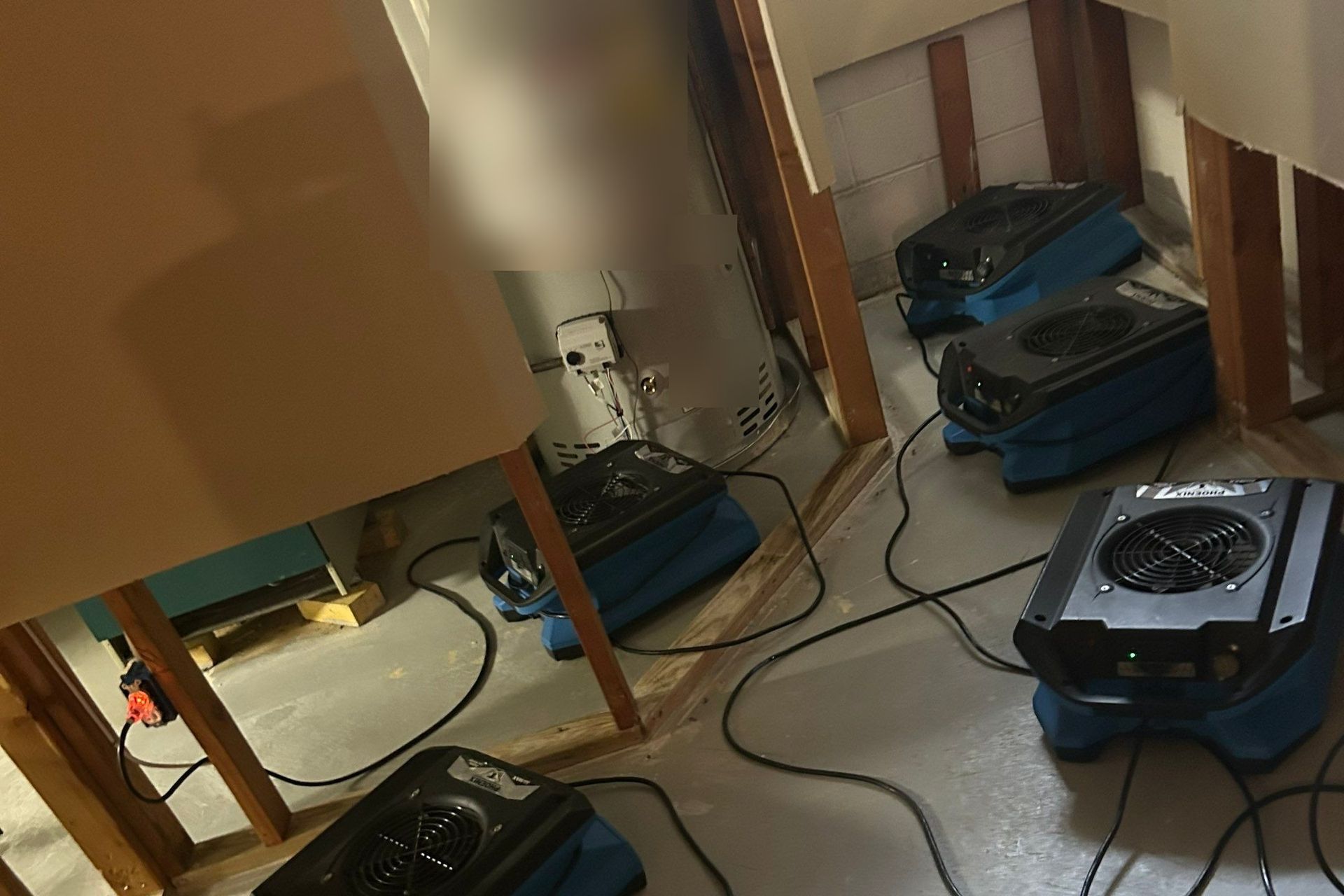
As nights drop below freezing across Central Jersey, the water coming into your home gets colder, and your water heater has to work harder to keep up. Add holiday guests, extra laundry and long hot showers, and November and December are when an older tank is most likely to give out.
Most water heaters sit in a basement, garage or utility closet where nobody looks every day. That means a slow drip can soak drywall, carpet and subfloor for weeks before anyone notices. From basements in Toms River to finished lower levels in Manalapan, Middletown and Edison, a failed tank is one of the most common winter water calls we see.
Why Water Heaters Fail More in Cold Weather
A standard tank heats water over and over all day. When incoming water is colder, the burner or elements run longer and the tank expands and contracts more. Over time that stress, plus sediment and rust building up inside, wears the tank out. Many tank-style heaters last roughly 8 to 12 years, so if yours is older than that, it is worth a closer look this season.
Early Warning Signs to Watch For
Take two minutes to look at your water heater this week. Watch for:
- Water or rust stains on the floor around the base
- Moisture or a drip at the pipe connections on top
- A drip from the temperature and pressure relief valve or its discharge pipe
- Rusty or discolored hot water
- Popping, rumbling or banging noises while it heats
- Hot water running out faster than it used to
Any one of these is a reason to call a licensed plumber for an inspection before it turns into a flood.
What to Do If Your Water Heater Is Leaking
If you find water around the tank, act fast:
- Shut off the cold water supply valve on the pipe going into the top of the tank.
- Turn off the power or gas. Flip the breaker for an electric heater, or set a gas unit to "off" or "pilot."
- Keep people and pets away from standing water near outlets or appliances.
- Move boxes, rugs and stored items off the wet floor.
- Take photos and video of the tank, the water and any damaged items before cleanup.
- Call a licensed plumber to repair or replace the heater, and call MaxClean Restoration to dry the area.
Why Fast Drying Matters
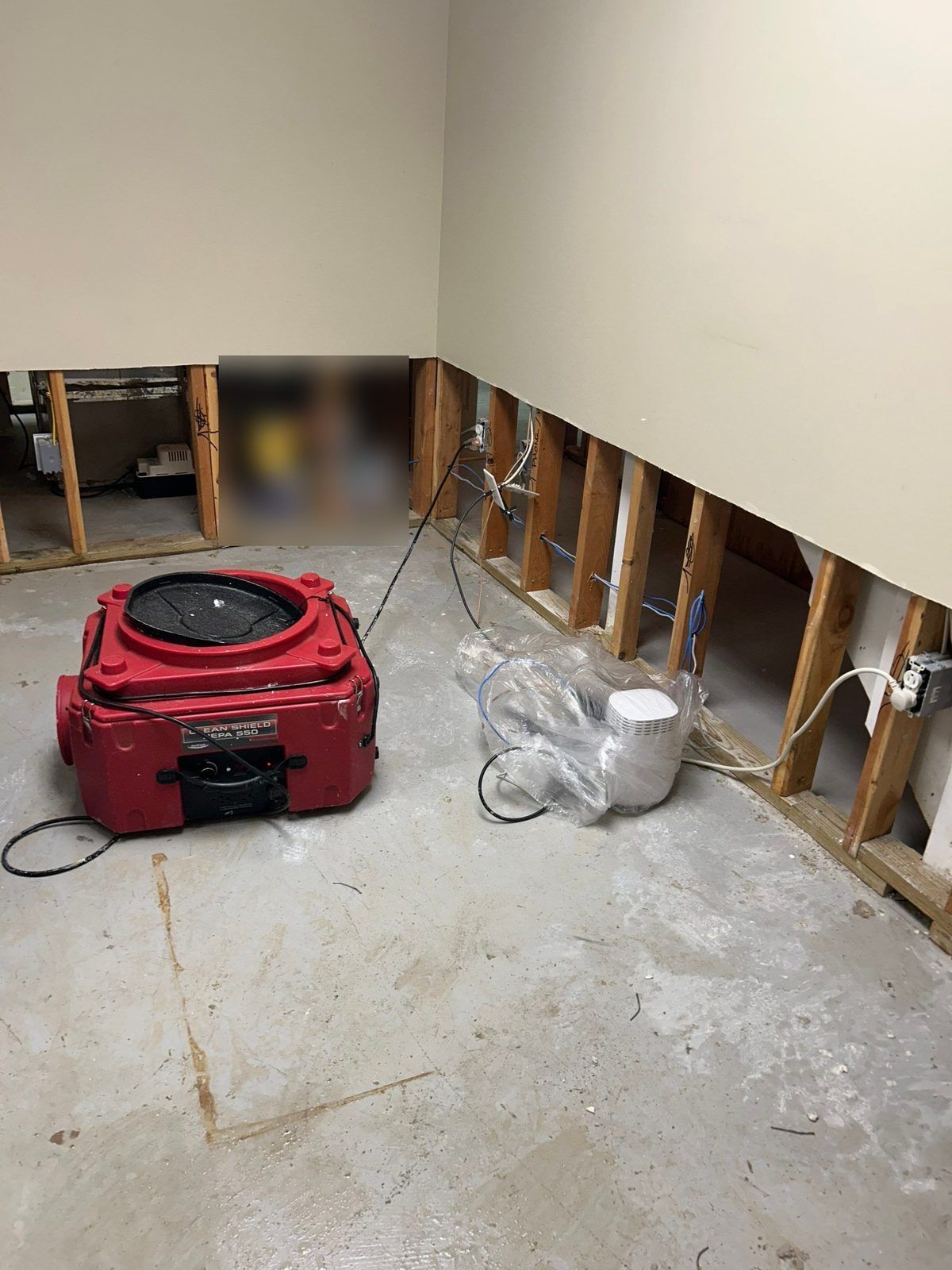
A 40- or 50-gallon tank can release a lot of water, and it does not stay where it lands. It wicks up drywall, soaks under baseboards and carpet pad, and settles into concrete and subfloors. If materials stay wet for more than a day or two, mold can start to grow, and that musty basement smell can follow.
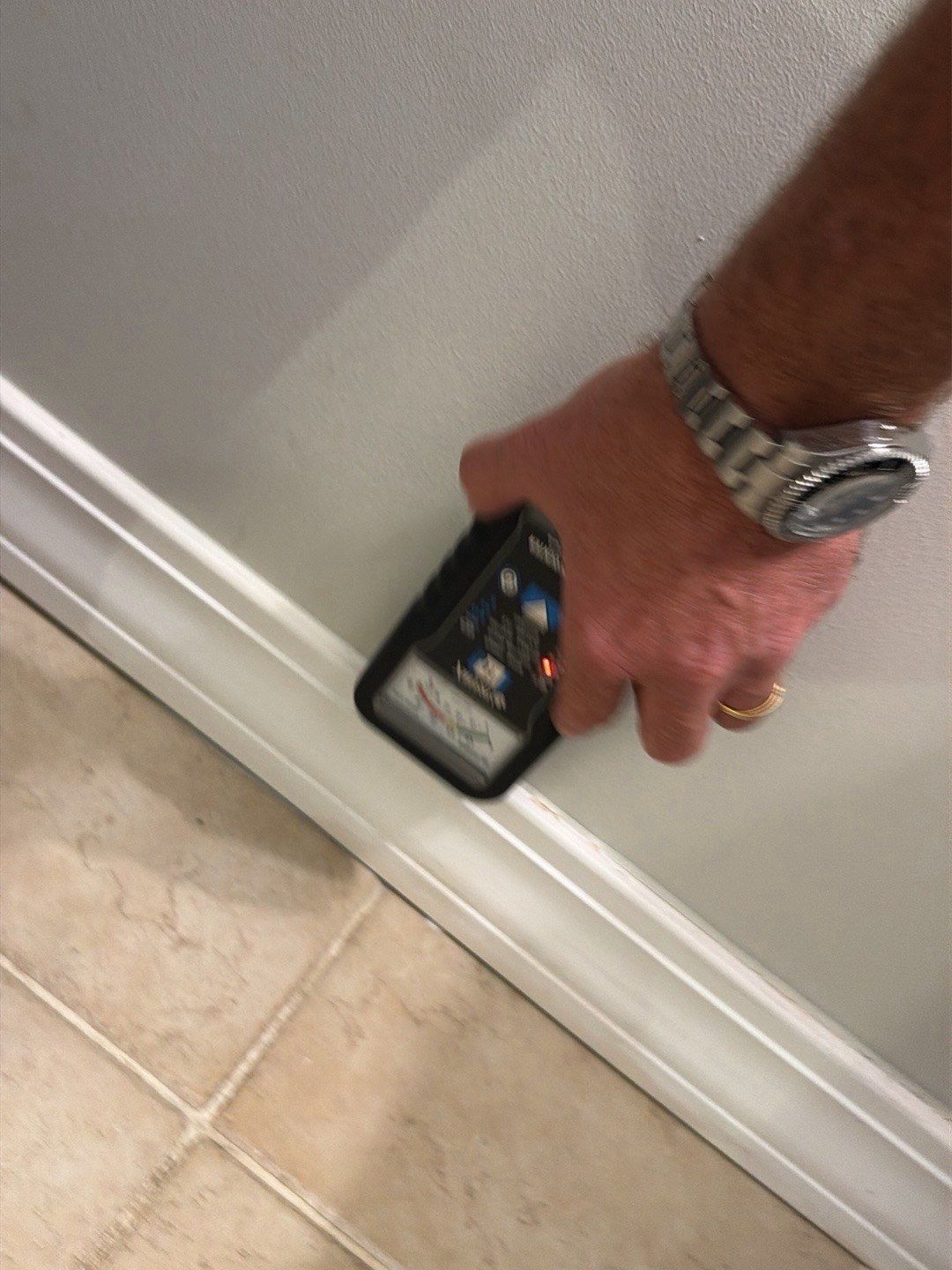
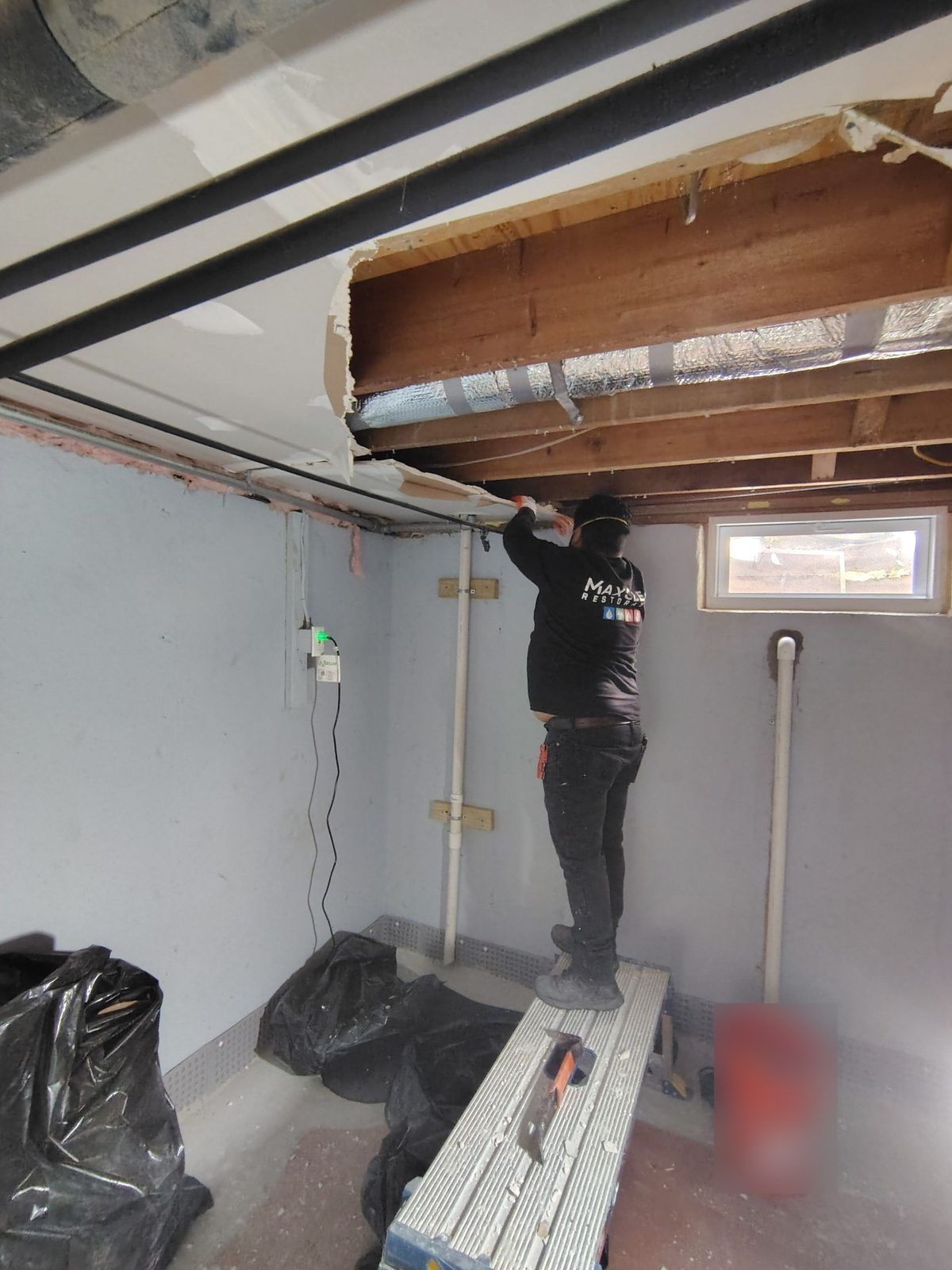
Our team uses moisture meters and thermal imaging to find where the water traveled, then sets up commercial dehumidifiers and air movers to dry the structure. We record readings every day until materials reach a normal dry standard, so you have documentation for your records.
Simple Maintenance That Helps
A few habits can help your water heater last longer:
- Ask your plumber about flushing the tank once a year to clear sediment
- Have the anode rod checked on older units
- Keep the area around the tank clear so leaks are easy to spot
- Consider a leak sensor or automatic shut-off valve near the base
- Know where your main water shut-off is before you need it
Will Insurance Cover Water Heater Damage?
Homeowners policies typically treat the water damage from a sudden tank failure differently from the water heater itself. Sudden and accidental water damage is typically covered, while replacing a worn-out heater and damage from a slow, long-term leak typically are not. Every policy is different, so check your policy and talk with your agent or carrier. We send the invoice to your insurance carrier on your behalf, but the invoice is still the homeowner's responsibility, including your deductible and anything your carrier doesn't pay.
FAQ
How do I know if my water heater is about to fail?
Rust on the tank, water at the base, rumbling noises and rusty hot water are common warning signs. If your unit is more than about 10 years old, have a plumber inspect it.
Can I keep using my water heater if it is only dripping a little?
A small drip can get worse quickly. Shut off the water supply and power or gas, and have a plumber look at it before using it again.
How long does it take to dry a basement after a water heater leak?
Many basements dry in about three to five days with commercial equipment, depending on how much water was released and what materials got wet.
Water Heater Leak Cleanup in Monmouth, Ocean and Middlesex Counties
If your water heater has leaked, MaxClean Restoration is here to help homeowners across Monmouth, Ocean and Middlesex counties. Based in Freehold, our team responds quickly to extract water, find hidden moisture and dry your home the right way. Call 732-539-2942 today to get help.