

What to Expect During Reconstruction After Damage
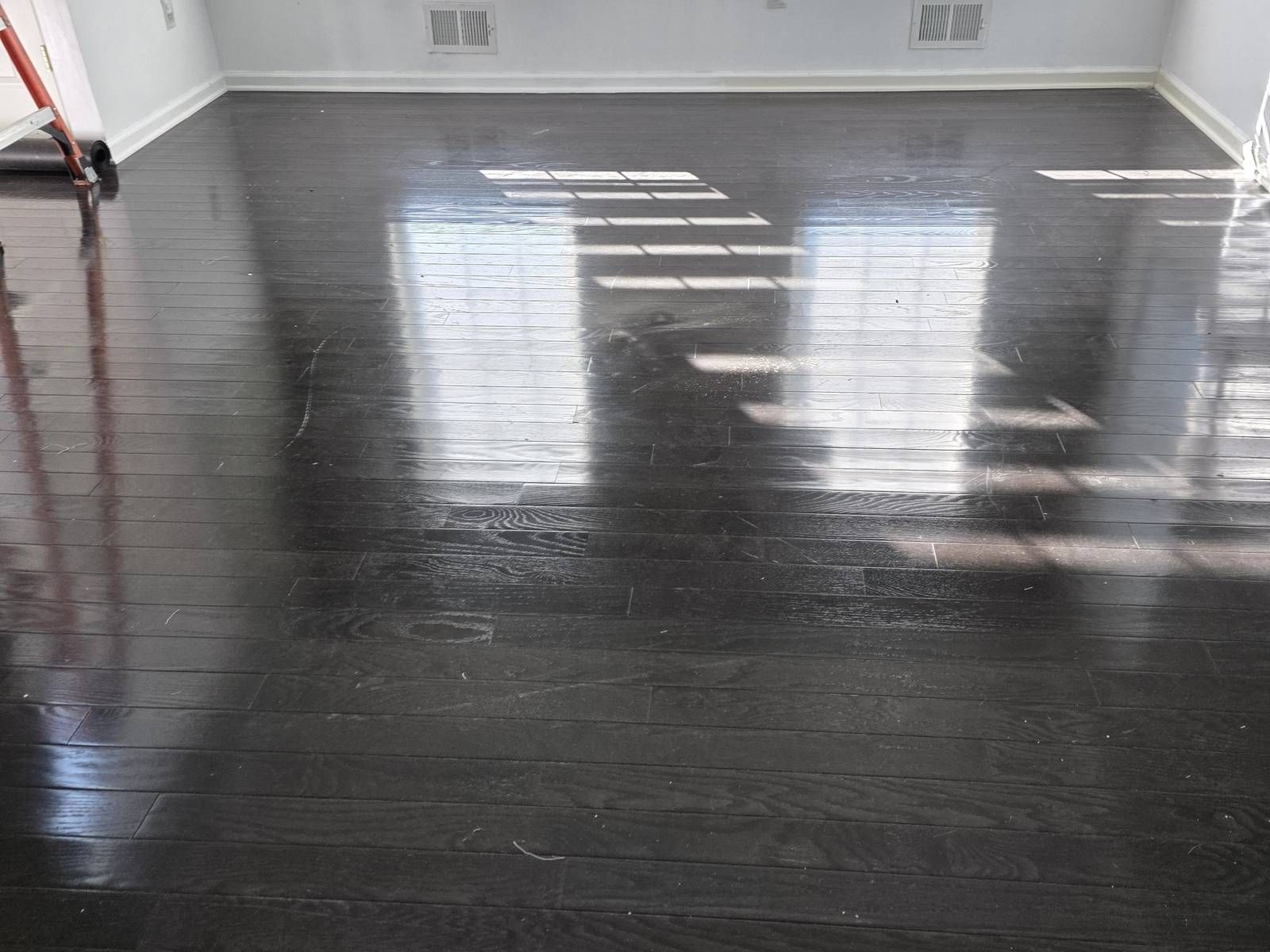
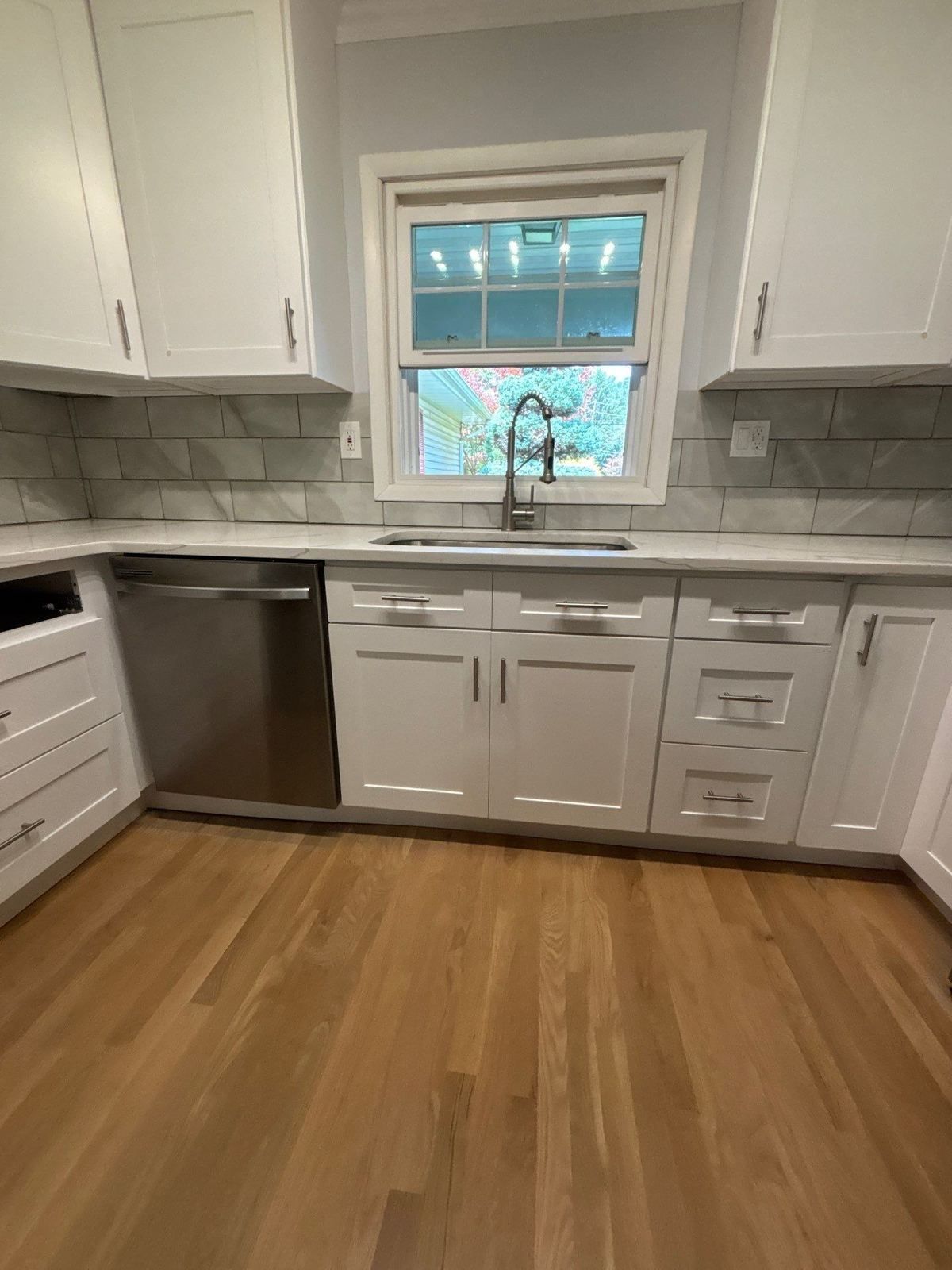
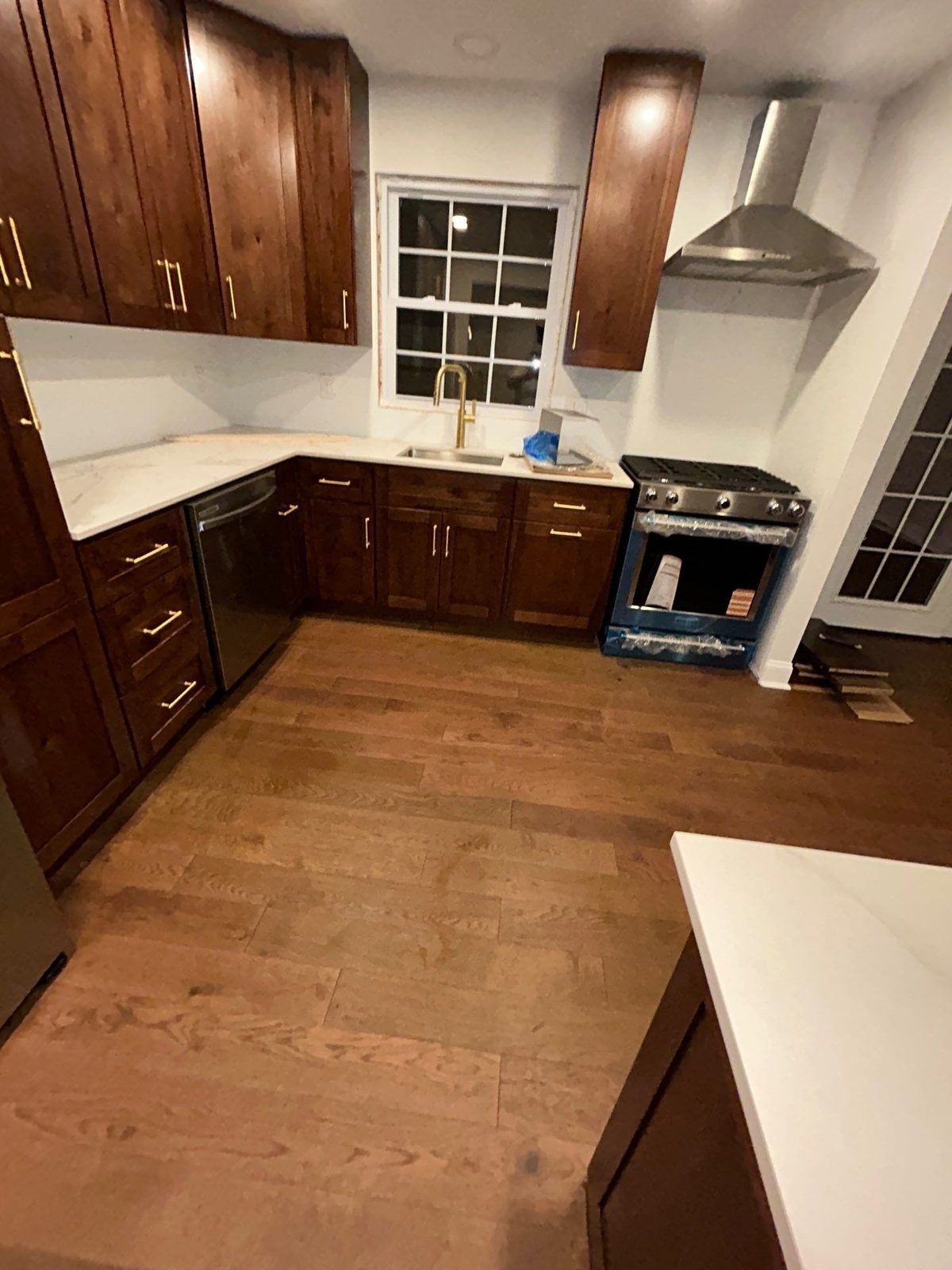
Once the emergency is over and your home is dry, clean and safe, the next phase is reconstruction: putting back the drywall, flooring, cabinets, paint and everything else that had to come out. It's the part where your home starts to feel like home again, and it goes smoother when you know what's coming. Here's how it usually works.
Need help right now? Call or text MaxClean Restoration at 732-539-2942 · Text us Open 24/7 and usually on site within an hour in Monmouth, Ocean and Middlesex counties.
Safety first
- Reconstruction starts only after mitigation is finished. Materials must be confirmed dry with moisture readings (and, after mold, cleaned and verified) before anything is closed up. Rebuilding over wet framing traps moisture and can lead to mold.
- Keep kids and pets out of work areas. Construction sites have tools, cords, nails and dust.
- Older homes may need testing. Homes built before 1978 may have lead paint, and some older materials may contain asbestos. Disturbing them safely requires testing and specific precautions.
- Ask before using rooms that are under construction, especially stairs, decks or floors that have been opened up.
What to do now
- Make sure drying is finished and documented. Ask for the final moisture readings.
- Keep your claim information handy: claim number, adjuster contact, and any paperwork from the mitigation phase.
- Think about selections early. Paint colors, flooring, cabinets, countertops and fixtures. If you want to match what you had, find any leftover materials, product names or photos.
- Decide how you'll live during the work. Can you stay home? Which rooms will you need? Do you need a place for pets?
- Pick one contact person in your household for the project, so decisions don't get crossed.
- Keep receipts for any extra costs you have because of the damage, like a hotel or meals.
How reconstruction works, step by step
- Scope of work. We walk the home with you and list everything that needs to be rebuilt or replaced, based on what was removed during mitigation and any other damage.
- Estimate and documentation. We prepare a detailed estimate and share it with you and your insurance company.
- Selections. You choose materials and finishes. When we're replacing damaged materials, we aim to match what you had as closely as possible. If you want to change finishes or layout, tell us early so we can plan it and talk it through with you before work starts.
- Permits. If your town requires permits and inspections for the work, we handle the applications and schedule the inspections.
- Scheduling and ordering. We order materials and schedule the trades. Some items, like cabinets, custom countertops or specialty flooring, can take weeks to arrive.
- Protecting the rest of your home. We set up floor protection and dust barriers to keep the work area separate from the rooms you're using.
- The rebuild. Depending on the damage, this can include framing, electrical and plumbing work by licensed trades, insulation, drywall, plaster, trim, cabinets, countertops, flooring, tile, painting and roofing.
- Inspections and progress updates. Town inspections happen at the required stages, and we keep you updated on what's done and what's next.
- Final walk-through. We walk through the finished work with you and make a "punch list" of any final touch-ups. We finish the list before the job is closed out.
What NOT to do
- Don't hire separate contractors for pieces of the work without telling everyone involved. It causes scheduling conflicts and confusion about who's responsible for what.
- Don't make changes directly with workers on site. Talk to your project manager so changes are written down.
- Don't move furniture or belongings back into rooms before the work and final cleaning are done.
- Don't skip the final walk-through. It's your chance to point out anything that isn't right.
- Don't throw away paperwork. Keep the estimate, change notes, permits and warranty information together.
What MaxClean does
- One team from emergency to rebuild. The same company that dried or cleaned your home can rebuild it, so nothing gets lost between contractors.
- A project manager who keeps the schedule, coordinates the trades and answers your questions.
- Licensed and registered work. MaxClean is an IICRC Certified Firm and a registered New Jersey home improvement contractor (NJ HIC #13VH12188600), and we use licensed trades for electrical and plumbing work.
- Detailed documentation of the rebuild, with photos and notes.
- Clean, careful job sites with dust control and daily cleanup.
- Honest timelines. We'll tell you what to expect and update you if anything changes, like a material delay or hidden damage found behind a wall.
Learn more on our reconstruction page.
Working with your insurance
We work directly with your insurance company and send the invoice to your carrier for you; you're responsible for your deductible and anything your policy doesn't cover.
In New Jersey, homeowners usually have the right to choose their own restoration contractor. We specialize in working with both homeowners and insurance companies to make sure the work is properly documented and covered, so your home gets back to its pre-loss condition.
For general steps to follow after any loss, see the insurance claim process, step by step or our insurance claims page.
When to call a professional
- Mitigation is done and the home needs drywall, flooring, cabinets or paint put back.
- Fire, smoke or storm damage reached the structure: framing, roof, windows or walls.
- Another contractor did the drying and you need someone to rebuild.
- You found more damage after the home was dried out.
- You want one company to manage the whole project.
Frequently asked questions
How long does reconstruction take? It depends on how much needs to be rebuilt, permit and inspection schedules, and how long materials take to arrive. A single room might take a week or two; a kitchen or a fire-damaged home can take much longer. We'll give you a realistic timeline once the scope is set and keep you updated.
Can I live at home during reconstruction? Often, yes, if the work is limited to part of the house and you still have a working kitchen, bathroom and bedrooms. For bigger projects, or if the kitchen or only bathroom is out of service, you may need to stay elsewhere for part of the time.
Will the new materials match my old ones? We try to match existing materials as closely as possible. Some products get discontinued, and new paint or flooring can look slightly different next to older materials. We'll talk through options with you before anything is installed.
What if you find more damage once the work starts? It happens, especially behind walls and under floors. We stop, document it with photos, and let you and your insurance company know before moving forward.
Do I need permits? Many towns in New Jersey require permits for structural, electrical, plumbing and some other work. We find out what your town requires and handle the permits and inspections when they're needed.
Can I choose my own contractor for the rebuild? In New Jersey, homeowners usually have the right to choose their own restoration contractor. We specialize in working with both homeowners and insurance companies to make sure the work is properly documented and covered, so your home gets back to its pre-loss condition.
Need help right now? Call or text MaxClean Restoration at 732-539-2942 · Text us Open 24/7 and usually on site within an hour in Monmouth, Ocean and Middlesex counties.
Related guides: What happens on day 1 of water mitigation · The insurance claim process, step by step · After a house fire · Tree on your house · All guides
MaxClean Restoration, 11 Bannard Street, Freehold, NJ · IICRC Certified Firm · NJ HIC #13VH12188600 Open 24/7 and usually on site within an hour across Monmouth, Ocean and Middlesex counties.