

Water Heater Leaking: What to Do
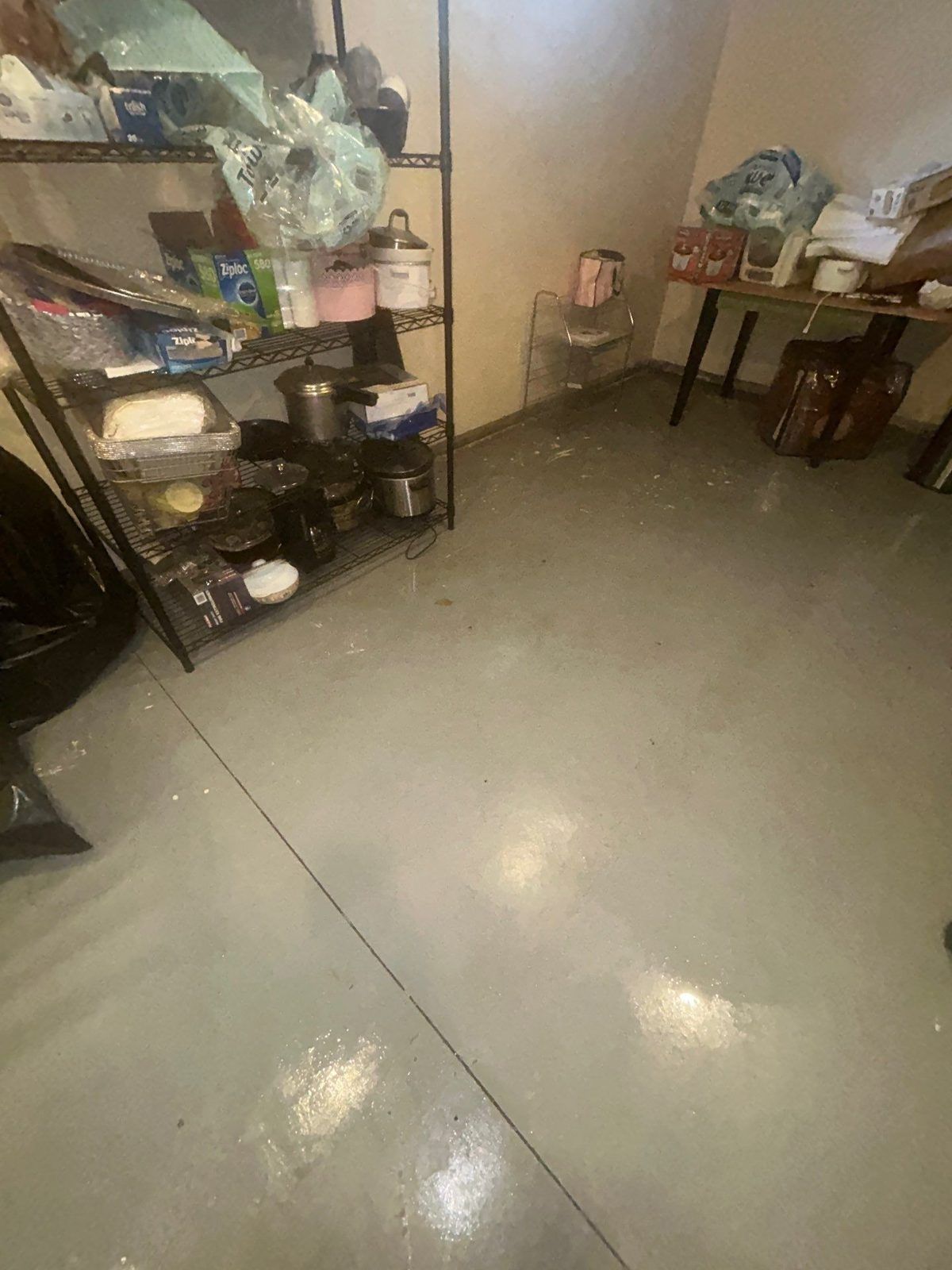
A small puddle under the water heater can turn into a flooded basement or a soaked utility closet fast, especially if the tank itself fails. Most tank water heaters last around 8 to 12 years, and many leaks happen without warning. Here's how to shut it down safely and limit the damage.
Need help right now? Call or text MaxClean Restoration at 732-539-2942 · Text us Open 24/7 and usually on site within an hour in Monmouth, Ocean and Middlesex counties.
Safety first
- Hot water burns. Water from the tank or the relief valve can be scalding. Keep kids and pets away and don't put your hands in it.
- Electricity and water don't mix. For an electric water heater, turn off its breaker before touching anything, but only if you can reach the panel without standing in water.
- Gas water heater? Turn the gas control knob to "Off" or "Pilot." If you smell gas, don't touch any switches; leave the house and call your gas utility or 911 from outside.
- Don't stand in water near the heater if the power is still on.
What to do right now
- Turn off the power or gas to the water heater (see Safety first).
- Shut off the cold water supply to the heater. It's the valve on the cold inlet pipe at the top of the tank. If you can't find it or it won't turn, shut off the main water valve for the house.
- Figure out where the water is coming from, if you can see it safely: a fitting at the top, the temperature and pressure relief valve or its pipe, the drain valve near the bottom, or the tank itself (water coming from underneath usually means the tank has failed).
- Take photos and video of the heater, the label with the model and serial number, and the water damage.
- Soak up or vacuum the water with towels or a wet/dry vacuum once the power is off, and move stored items off the wet floor.
- Call a licensed plumber to repair or replace the heater, and call MaxClean at 732-539-2942 to dry the area if the water spread to floors, walls or belongings.
- Report the damage to your insurance company and write down the claim number.
What NOT to do
- Don't touch the heater, wiring or controls while standing in water.
- Don't try to drain a leaking tank yourself unless you know how. The water is hot, and old drain valves can break.
- Don't restore power to an electric heater until the tank is full again. Running the elements dry can burn them out.
- Don't cap or plug a dripping relief valve. It's a safety device; a plumber needs to find out why it's releasing.
- Don't leave wet carpet, drywall or cardboard boxes to "air dry." Mold can start in 24 to 48 hours.
What MaxClean does
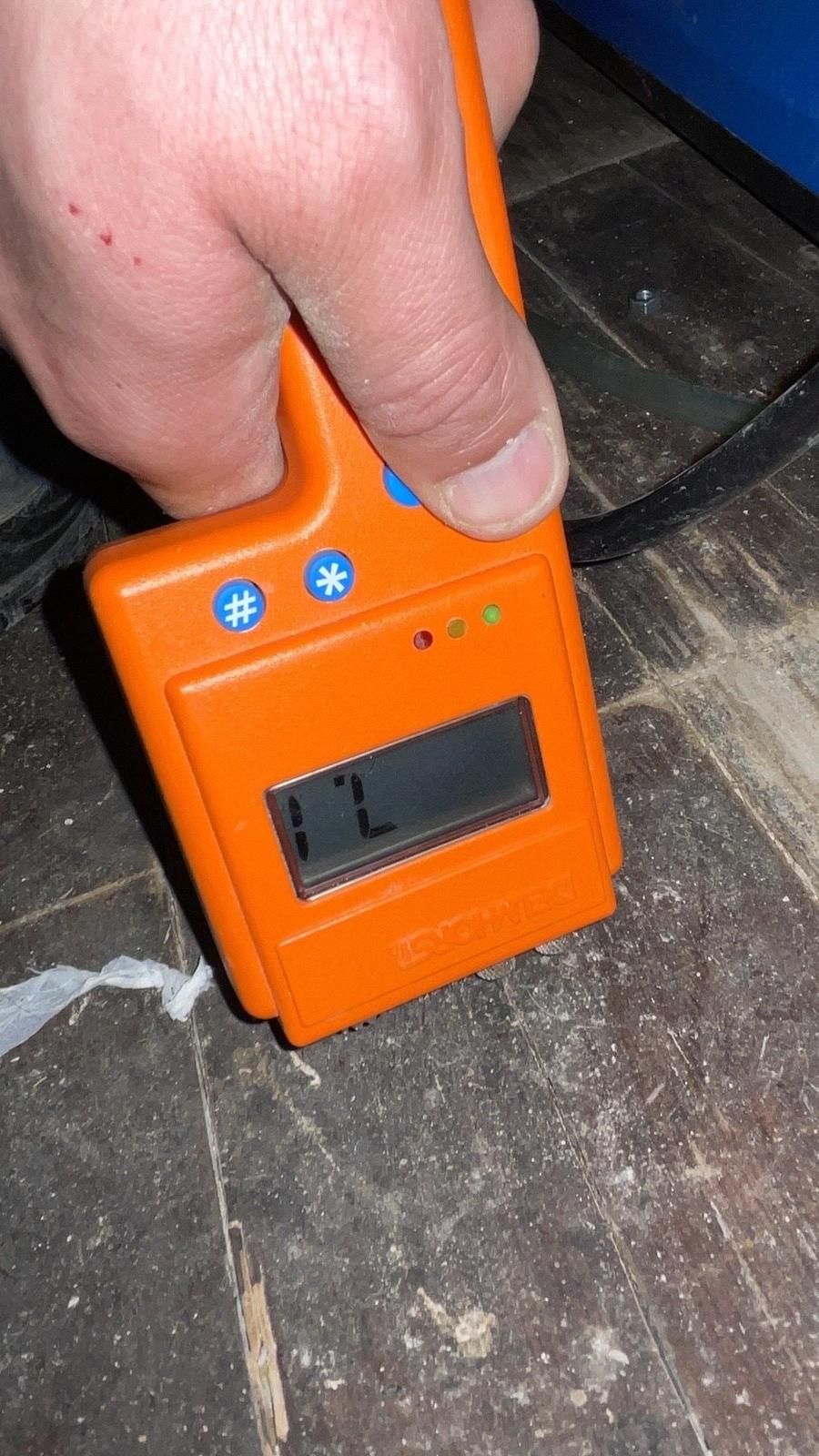
- Finds all the water with moisture meters and thermal imaging, including under flooring, behind baseboards and in the next room.
- Extracts the water and removes materials that can't be dried, like soaked carpet pad or swollen baseboards, following the IICRC S500 standard.
- Dries the area with commercial dehumidifiers and air movers and checks moisture readings every day until materials are back to normal.
- Documents everything with photos and drying logs for your claim.
- Rebuilds anything that had to come out. See what happens on day 1 of water mitigation.
Learn more on our water damage restoration page.
Working with your insurance
We work directly with your insurance company and send the invoice to your carrier for you; you're responsible for your deductible and anything your policy doesn't cover.
In New Jersey, homeowners usually have the right to choose their own restoration contractor. We specialize in working with both homeowners and insurance companies to make sure the work is properly documented and covered, so your home gets back to its pre-loss condition.
For general steps to follow after any loss, see the insurance claim process, step by step or our insurance claims page.
When to call a professional
- Water spread past the utility area onto carpet, wood floors or drywall.
- The heater is in a finished basement, a closet or on an upper floor.
- The tank failed and dumped its full contents.
- You found the leak late and things smell musty.
- You're not sure whether water got under the flooring or into the wall.
Frequently asked questions
Is a leaking water heater dangerous? It can be. The water can be scalding, it's near electricity or gas, and a failing tank can suddenly release all of its water. Shut off the power or gas and the cold water supply, then call a plumber.
Can a leaking water heater be repaired? Leaks from fittings, the drain valve or the relief valve can often be fixed. If water is coming from the tank itself, the heater usually needs to be replaced. A licensed plumber can tell you which it is.
Why is water coming out of the pipe on the side of my water heater? That pipe is attached to the temperature and pressure relief valve, which releases water when the temperature or pressure in the tank gets too high, or when the valve itself is worn. Don't plug it; have a plumber check it.
How can I prevent water heater leaks? Have the heater checked and flushed as the manufacturer recommends, test the relief valve, know where the shutoffs are, and consider a drain pan and a water leak alarm. Plan to replace older tanks before they fail.
How long does it take to dry out after a water heater leak? Small areas caught quickly may dry in a couple of days. Larger losses, or water that got under flooring, usually take longer. We check readings daily until it's dry.
Need help right now? Call or text MaxClean Restoration at 732-539-2942 · Text us Open 24/7 and usually on site within an hour in Monmouth, Ocean and Middlesex counties.
Related guides: Burst pipe: what to do in the first hour · Flooded basement or sump pump failure · Toilet or appliance overflow · What happens on day 1 of water mitigation · All guides
MaxClean Restoration, 11 Bannard Street, Freehold, NJ · IICRC Certified Firm · NJ HIC #13VH12188600 Open 24/7 and usually on site within an hour across Monmouth, Ocean and Middlesex counties.