

Dryer Fire or Dryer Vent Fire: What to Do Next
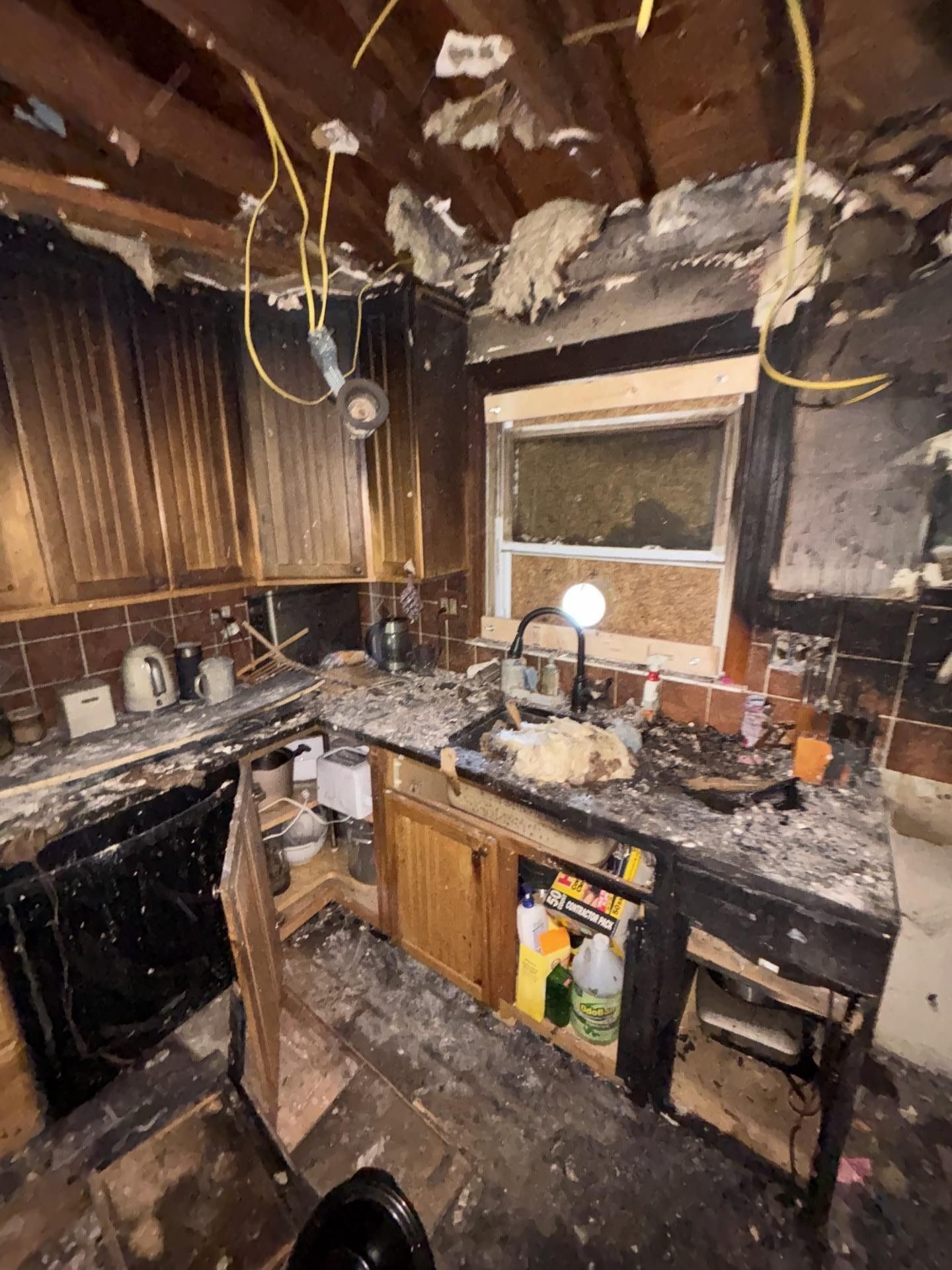
Dryer fires usually start with lint built up in the dryer or vent. They can spread to the laundry room, walls and attic or crawlspace through the vent, and the smoke and soot can travel through the whole house, even if the flames were small or you put them out yourself. Here's what to do right away and after. (For a larger fire, see our after a house fire guide.)
Need help right now? Call MaxClean Restoration at 732-539-2942 Open 24/7 in Monmouth, Ocean and Middlesex counties. We're usually on site in about an hour near Freehold, and in about 2 hours in Lacey, Stafford, Barnegat and Little Egg Harbor.
Warning signs and what a dryer fire leaves behind
- Clothes that stay damp or take more than one cycle to dry
- A burning smell when the dryer runs, or a laundry room that feels unusually hot
- Lint buildup around the dryer or the outside vent
- Scorch marks, melted plastic or soot on the dryer, wall or ceiling
- A lingering smoke smell in the laundry room or the rest of the house
- Black, greasy or dusty soot on walls, ceilings and nearby belongings
- Water damage from a fire extinguisher or fire department hoses
Step by step: what to do
- Get everyone out and call 911. Do this even if the flames look small, and even if you think the fire is out. Fire can hide inside walls and vents.
- Don't open the dryer door. Opening it feeds the fire with oxygen. If the fire is small and you can do so safely, unplug the dryer, but never at the cost of your safety.
- Stay out until the fire department says it's safe. Let them check walls, the vent and the attic for hidden fire.
- Turn off the dryer and its power. Leave a gas dryer's gas supply shut off until it has been inspected by a professional. If you smell gas, leave and call the gas company from outside.
- Take photos and video of the damage, with the date and time, once it's safe. Your insurance company will want them.
- Report it to your insurance company and write down the claim number. Ask the fire department for a report.
- Call a fire and smoke damage restoration company. MaxClean checks the laundry room, vent path and surrounding rooms for smoke, soot and water damage and starts cleanup: 732-539-2942.
- Don't use the dryer again until a professional has cleaned and inspected it and the vent.
What NOT to do
- Don't open the dryer door during a fire.
- Don't use water on a fire inside the dryer, and don't use an extinguisher unless you've been trained and can leave easily.
- Don't go back inside until the fire department says it's safe.
- Don't wipe soot with a wet rag. It can smear and push soot into surfaces.
- Don't run the dryer or turn on the HVAC fan to clear the smoke. It can spread soot through the house.
- Don't eat food or use items that were near the fire until they've been checked.
- Don't try to clean the vent inside walls or the attic yourself after a fire.
Why a small dryer fire can still cause big damage
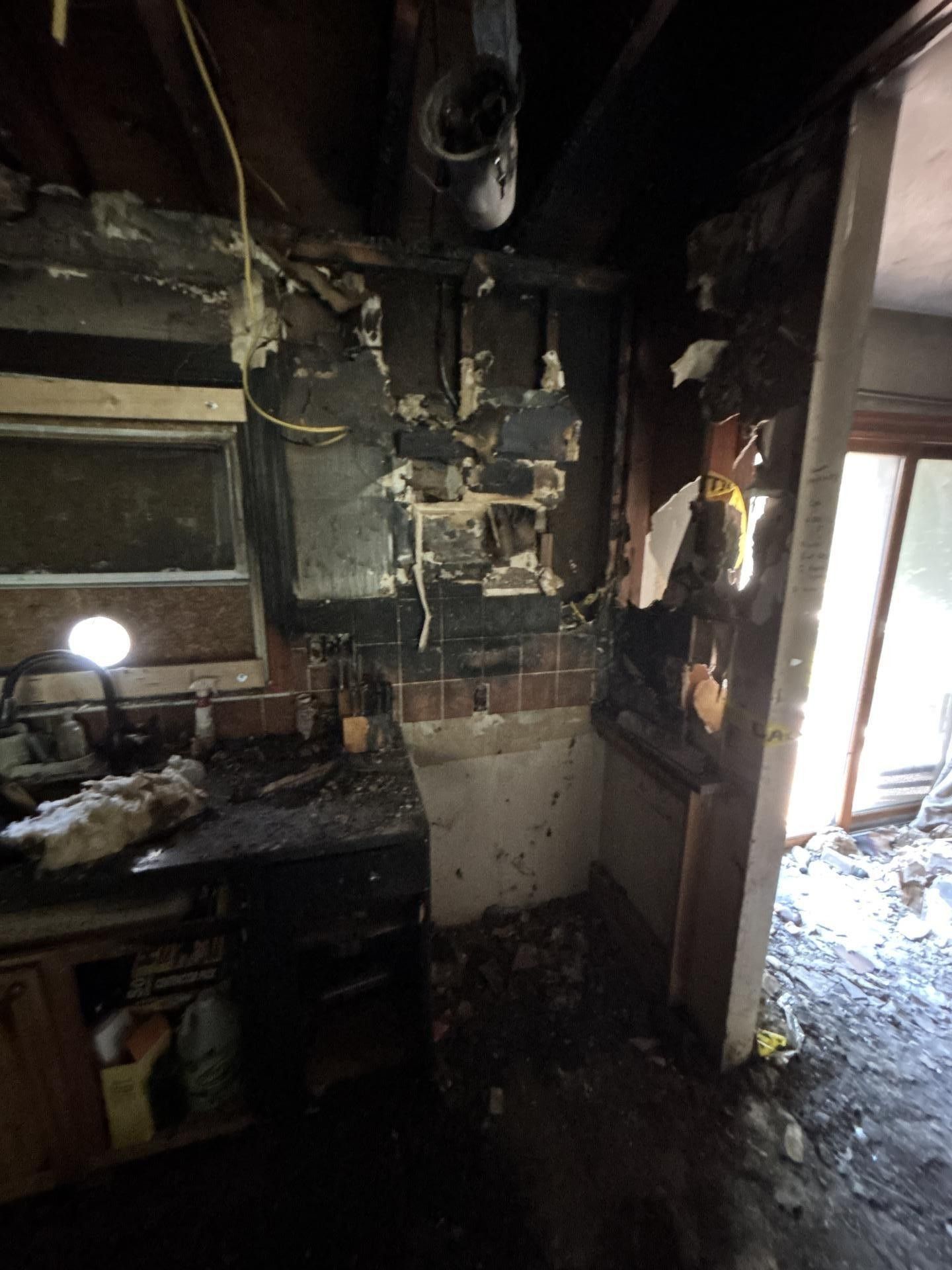
Dryer vents run through walls, ceilings, attics and crawlspaces, so fire and heat can reach areas you can't see. Burning lint and plastic create sticky soot and a strong smoke smell that settles on walls, ceilings, clothing and ductwork. Water from putting out the fire can also soak drywall and flooring, which can lead to mold if it isn't dried. A professional can find hidden damage and clean it properly. See our guides to smoke and soot from a fire and water through the ceiling.
How MaxClean handles dryer fire damage
- Inspecting: our IICRC-certified technicians check the laundry room, walls, vent path and nearby rooms for smoke, soot and moisture.
- Documenting it: photos are taken before and during the work, so your adjuster can see what happened.
- Removing soot and odor: surfaces are cleaned with the right method for each material, and odor is treated at the source.
- Drying: if water was used, air movers and dehumidifiers dry the structure with daily moisture readings, following the IICRC S500 standard.
- Contents: affected belongings are cleaned or packed out when needed.
- Rebuilding: when the area is clean and dry, MaxClean can handle repairs too.
Learn more on our fire and smoke damage page or our insurance claims page.
This guide is general information, not legal or insurance advice.
Printable checklist
Dryer Fire: Checklist
- ☐ Everyone out and 911 called
- ☐ Dryer door left closed
- ☐ Stayed out until the fire department cleared the home
- ☐ Dryer power (and gas, if applicable) off
- ☐ Photos and video with date and time
- ☐ Insurance claim reported and number written down
- ☐ Fire department report requested
- ☐ Restoration company called for smoke, soot and water check
- ☐ Dryer and vent professionally inspected before next use
- ☐ MaxClean Restoration 24/7: 732-539-2942
Frequently asked questions
Should I call 911 for a small dryer fire? Yes. Fire can spread inside the dryer, vent and walls where you can't see it.
Can I use my dryer again after a fire? Not until a professional has inspected and cleaned the dryer and the full vent path.
Will the smoke smell go away on its own? Usually not. Soot and odor settle into walls, ceilings, fabrics and ductwork, and need to be cleaned at the source.
Why does my house smell like smoke if the fire was small? Smoke and soot travel through the vent, walls and air system, so the smell can reach rooms far from the dryer.
Does homeowners insurance cover a dryer fire? Policies vary, so check your policy or ask your agent, and report the damage as soon as you find it. We send the invoice to your insurance carrier on your behalf, but the invoice is still the homeowner's responsibility. That includes your deductible and anything your carrier doesn't pay.
Need help right now? Call MaxClean Restoration at 732-539-2942 Open 24/7 in Monmouth, Ocean and Middlesex counties. We're usually on site in about an hour near Freehold, and in about 2 hours in Lacey, Stafford, Barnegat and Little Egg Harbor.
Related guides: After a house fire · Smoke or soot from a neighbor's fire · After a kitchen or grease fire · Lightning strike or electrical fire · The home insurance claim process · All guides
MaxClean Restoration, 11 Bannard Street, Freehold, NJ · IICRC Certified Firm · NJ HIC #13VH12188600 Open 24/7 across Monmouth, Ocean and Middlesex counties. Usually on site in about an hour near Freehold, and in about 2 hours in Lacey, Stafford, Barnegat and Little Egg Harbor.