MaxClean Restoration Blog
Holiday Guests and Overflowing Toilets: A Central New Jersey Homeowner's Guide to Sewage Backups
Thanksgiving through New Year's is when Central Jersey homes work hardest. Extra guests mean more showers, more flushes, more loads of dishes and laundry, and more grease going down the kitchen sink. The day after Thanksgiving is widely known as one of the busiest days of the year for plumbers, and the reason is simple: drains and sewer lines that were barely keeping up all year finally give out.
Whether you are hosting a crowd in Marlboro, cooking for family in Brick or putting up relatives for the week in Old Bridge, a clogged main line can push dirty water up through a basement floor drain, a lower-level shower or the lowest toilet in the house. Knowing what to do in the first hour makes a big difference.
Why Drains Back Up During the Holidays
Most holiday backups come from a few common causes:
- Cooking grease, fats and gravy poured down the sink, which harden in cold pipes
- Potato peels, rice and other food scraps sent down the disposal
- "Flushable" wipes, paper towels and other items that do not break down
- Tree roots that have slowly crept into older clay or cast iron sewer lines
- Simply more water and waste than an aging line can handle in a short time
When the main line clogs, water from upstairs fixtures has nowhere to go but down and back out of the lowest drain.
Clean Water Overflow vs. Sewage Backup
Not every overflow is the same. A toilet tank that runs over, or a bowl that overflows before anyone has used it, is usually cleaner water. Water that comes up from a floor drain, a tub or a toilet connected to the sewer line is different. Under the IICRC S500 water damage standard, sewage is treated as Category 3, or "black water," because it can carry bacteria, viruses and other contaminants no matter how clear it looks.
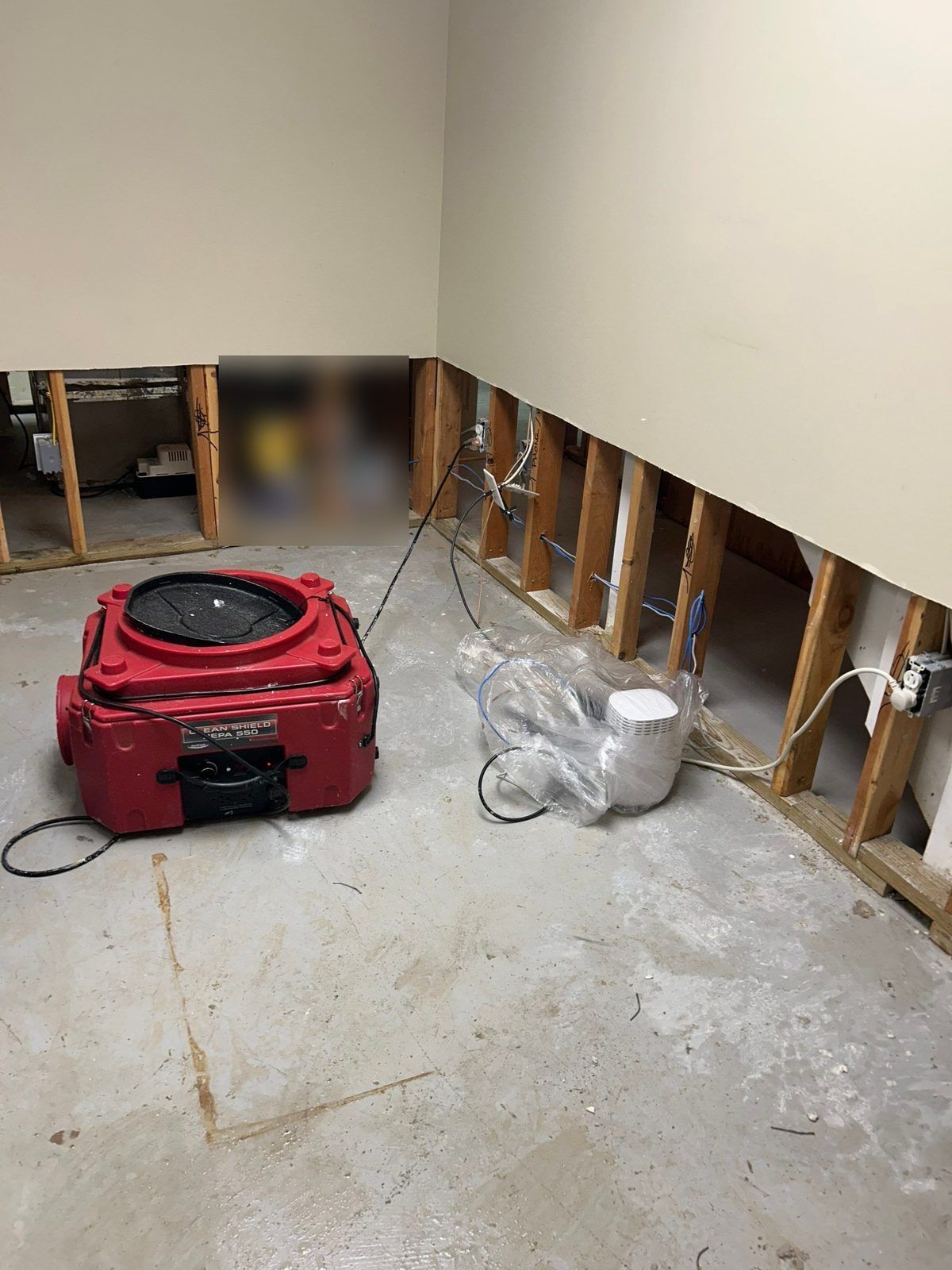
That matters because Category 3 water changes the cleanup. Porous materials it soaks, like carpet, pad and the bottom of drywall, are typically removed and replaced rather than dried in place.
What to Do If Sewage Backs Up
If you see dirty water coming up from a drain, act fast:
1.
Stop using water everywhere in the house. No flushing, showers, dishwasher or laundry until a plumber clears the line.
2.
Keep kids, guests and pets away from the affected area.
3.
Turn off power to the area at the breaker if water is near outlets or appliances, and only if you can do it without standing in water.
4.
Do not use a household vacuum or fan to clean it up, which can spread contamination.
5.
Take photos and video of the water, the drain and damaged items before anything is moved.
6.
Call a licensed plumber to clear the line, and
call MaxClean Restoration to clean, sanitize and dry.
How We Clean Up a Sewage Backup
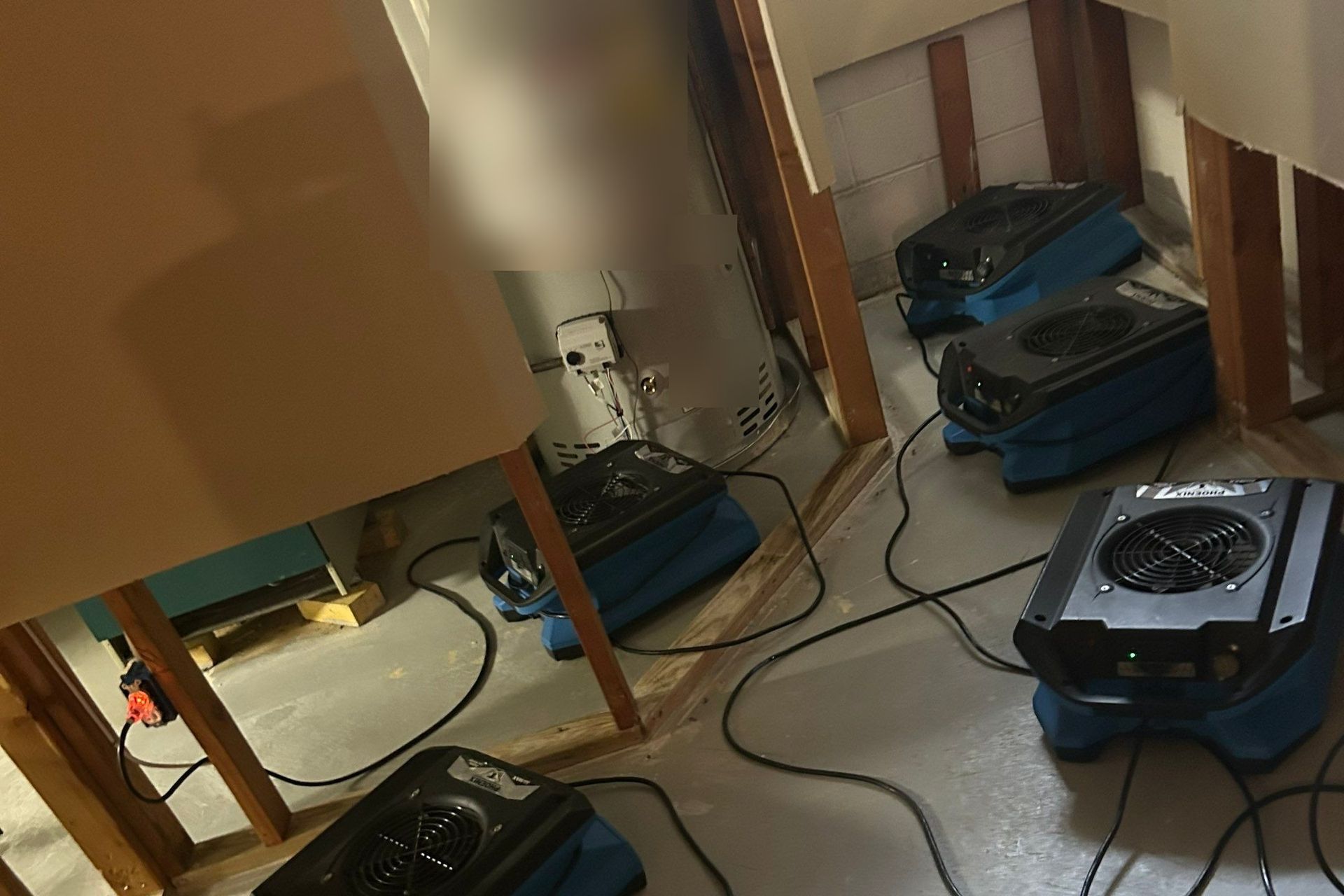
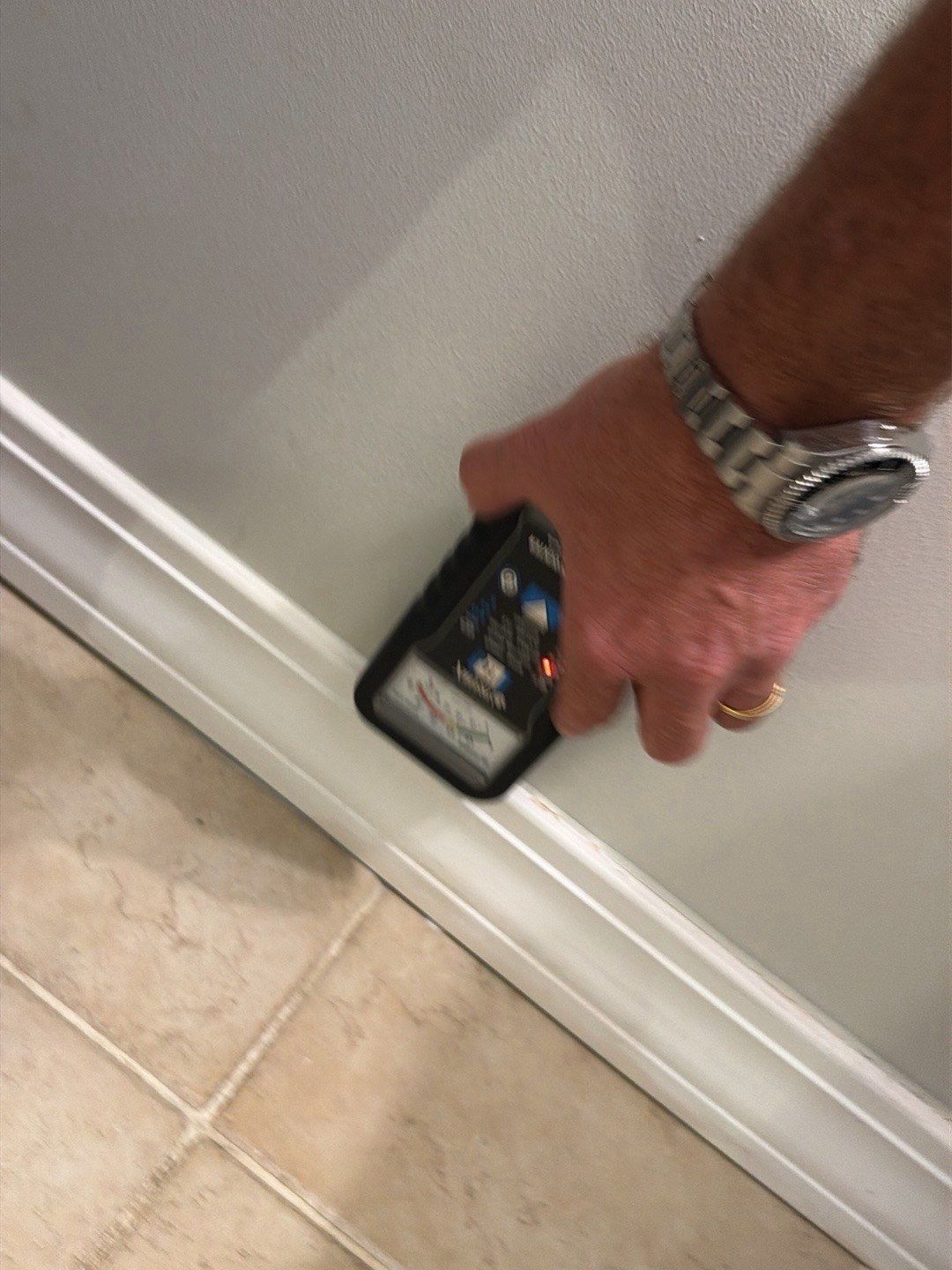
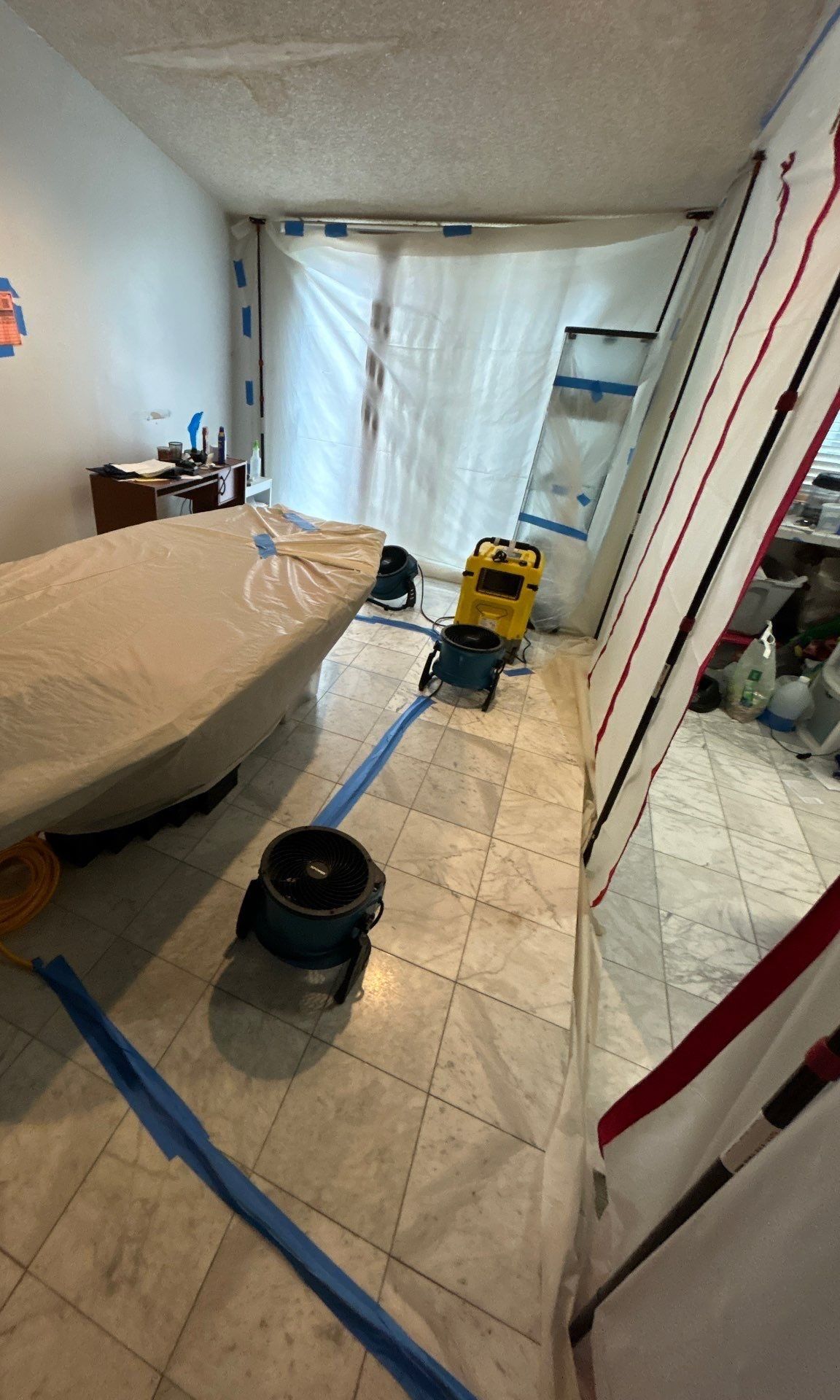
Our technicians wear protective gear and set up containment to keep contamination from spreading to the rest of the home. We extract the water, remove affected porous materials, clean and apply antimicrobial treatment to the structure, then dry it with commercial dehumidifiers and air movers. Moisture readings are taken and recorded each day until materials reach a normal dry standard, so you have documentation for your records.
Holiday Habits That Help Prevent Backups
A few simple steps can keep your drains flowing through the season:
- Let grease cool, then scrape it into the trash instead of the sink
- Keep peels, bones and starchy food out of the disposal
- Put a small trash can in every bathroom and ask guests to use it
- Space out showers, laundry and dishwasher loads on busy days
- If drains were slow before the holidays, have a plumber check the main line now
Will Insurance Cover a Sewage Backup?
Standard homeowners policies typically exclude damage from a sewer or drain backup unless you have a separate water backup or sewer backup endorsement. Many homeowners do not know whether they have it until they need it, so check your policy and talk with your agent before the holidays. We send the invoice to your insurance carrier on your behalf, but the invoice is still the homeowner's responsibility, including your deductible and anything your carrier doesn't pay.
FAQ
Is it safe to clean up a small sewage backup myself?
Sewage is treated as Category 3 water and can carry harmful bacteria. Even small backups onto carpet or drywall are best handled with protective gear, proper disinfection and removal of soaked porous materials.
Can wet carpet be saved after a sewage backup?
Carpet and pad soaked by sewage are typically removed and replaced. Hard surfaces like tile and concrete can usually be cleaned and disinfected.
How long does sewage cleanup take?
Many backups are cleaned and dried in about three to five days, depending on how far the water spread and what materials were affected.
Sewage Backup Cleanup in Monmouth, Ocean and Middlesex Counties
If a toilet overflow or sewage backup hits your home this holiday season, MaxClean Restoration is here to help homeowners across Monmouth, Ocean and Middlesex counties, from Long Branch to Lakewood. Based in Freehold, our technicians respond quickly to contain, clean, sanitize and dry your home the right way. Call 732-539-2942 any time.