

Chimney or Fireplace Fire: What to Do Next
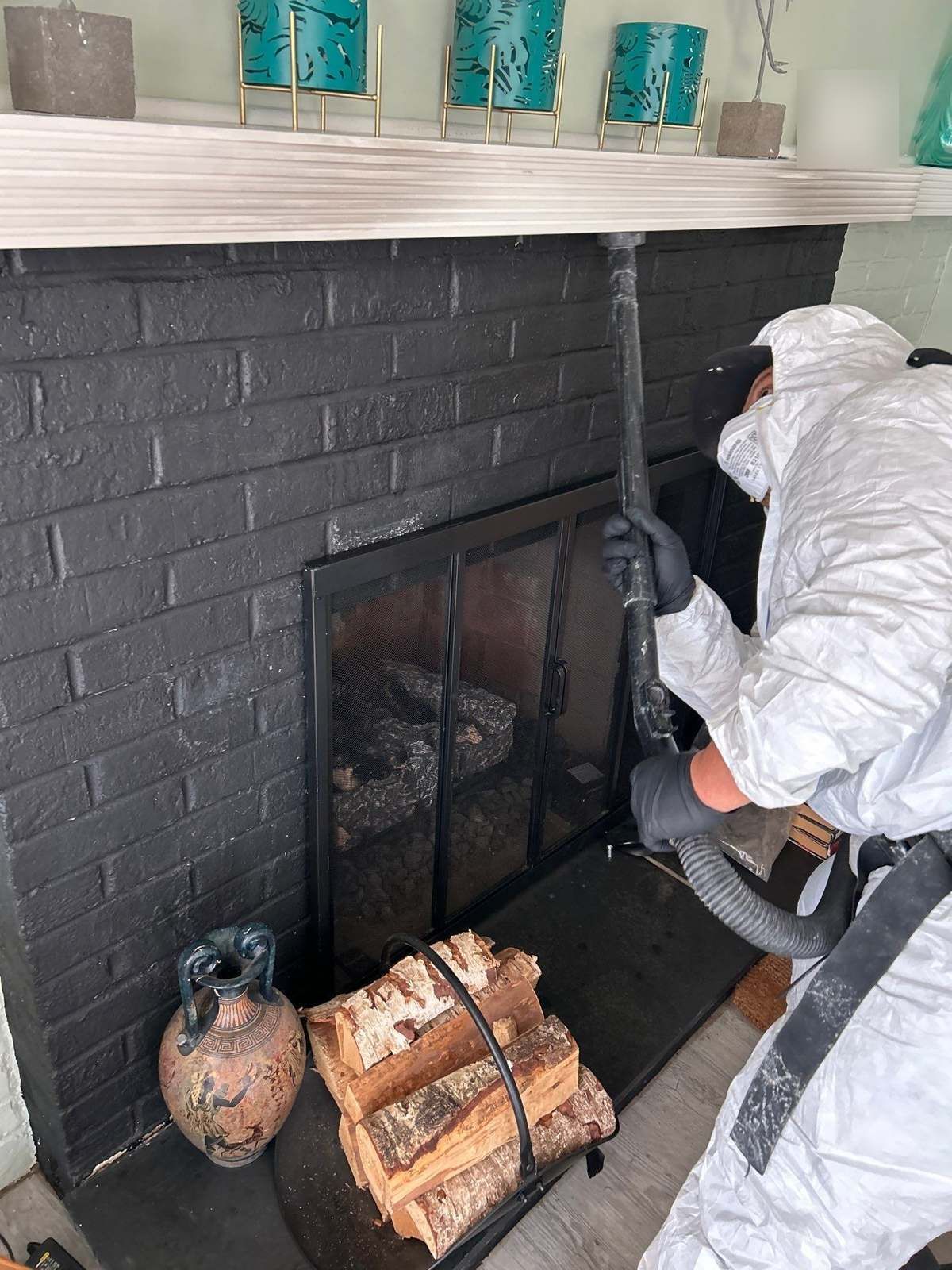
Heating season is when chimney fires happen. Creosote, a tar-like residue from burning wood, builds up inside the flue and can catch fire. Some chimney fires are loud, with popping, a roaring sound like a train, and flames or sparks shooting from the top of the chimney. Others burn slowly and quietly and are only found later. Either way, a chimney fire can crack the flue liner and let heat and fire reach the framing of your home, and smoke that backs into the room leaves soot on walls, ceilings and belongings. Here's what to do.
Need help right now? Call or text MaxClean Restoration at 732-539-2942 · Text us Open 24/7 in Monmouth, Ocean and Middlesex counties. We're usually on site in about an hour near Freehold, and in about 2 hours in Lacey, Stafford, Barnegat and Little Egg Harbor.
Step by step: what to do right now
- Get everyone out and call 911. If you hear roaring or popping in the chimney, see flames or sparks from the top, or smoke is pouring into the room, leave the house and call 911 from outside. A chimney fire can spread into the attic, roof or walls where you can't see it, so let the fire department check, even if it seems to have burned out.
- Don't throw water into the fireplace or wood stove. The sudden temperature change can crack the firebox and flue liner. Only do what the 911 dispatcher tells you.
- Stop using the fireplace or wood stove until a certified chimney sweep has inspected the whole chimney. A chimney that has had a fire often has hidden cracks or gaps, and the next fire can reach the house.
- Turn off the HVAC system if smoke got into the house, so it doesn't pull soot and odor through every room.
- Air out the house by opening windows once the fire department says it's safe. Keep kids, pets and anyone with breathing problems away from smoky rooms.
- Document everything with photos and video before anything is cleaned or thrown away: the fireplace, mantel, walls, ceilings, the roof and chimney outside, and any room that smells like smoke.
- Call your insurance company to report the fire and get a claim number. Ask for a copy of the fire department report.
- Call a fire and smoke restoration company. Soot is acidic and keeps staining surfaces the longer it sits. MaxClean handles smoke and soot cleanup, odor removal, water from firefighting, and repairs: 732-539-2942.
What NOT to do
- Don't light another fire, even a small one, until the chimney has been inspected and any repairs are done.
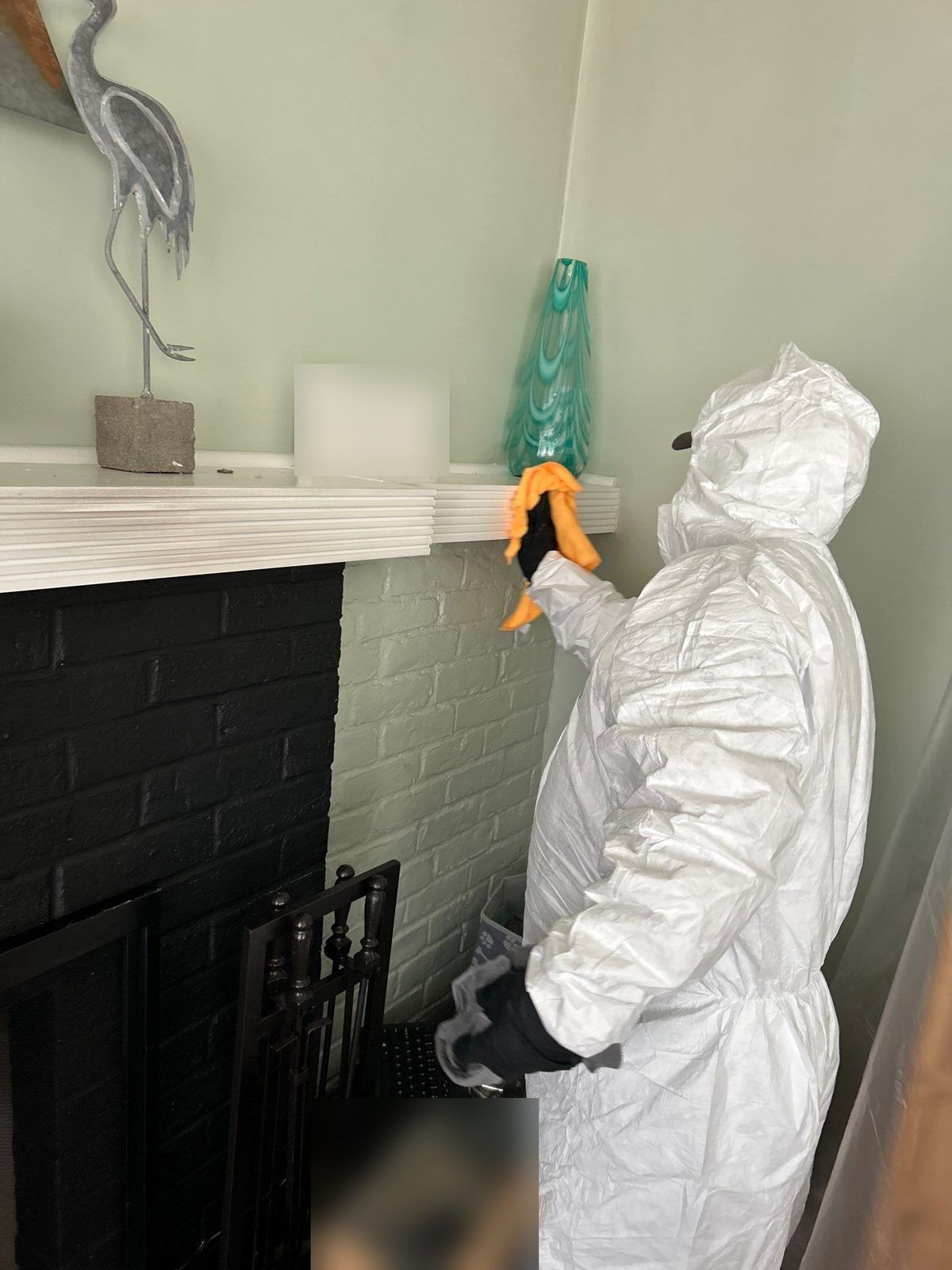
- Don't try to scrub soot off walls, ceilings, the mantel or furniture with water or household cleaners. Rubbing smears it deeper into paint and fabric and can set the stain permanently.
- Don't vacuum soot with a regular household vacuum. It blows fine particles right back into the air.
- Don't run the furnace or the HVAC fan if smoke got into the house.
- Don't cover the smell with air fresheners or candles. They don't remove smoke odor.
- Don't throw anything away before it's documented for your insurance claim.
When to call a professional
- You see black or gray soot on the walls or ceiling around the fireplace, or in other rooms.
- Smoke backed up into the house, or a smoke smell is still there after airing it out.
- Firefighters used water inside the home, or in the attic, walls or ceiling.
- Rugs, curtains, furniture or belongings near the fireplace are coated in soot.
- Smoke got into the HVAC system, or you smell smoke when the heat comes on.
- The chimney sweep or fire department found damage to the roof, walls or framing around the chimney.
What MaxClean does
- Inspects every room and the HVAC system for soot and smoke odor, because smoke often travels farther than it looks.
- Contains the work area and runs HEPA air scrubbers to capture fine soot particles in the air.
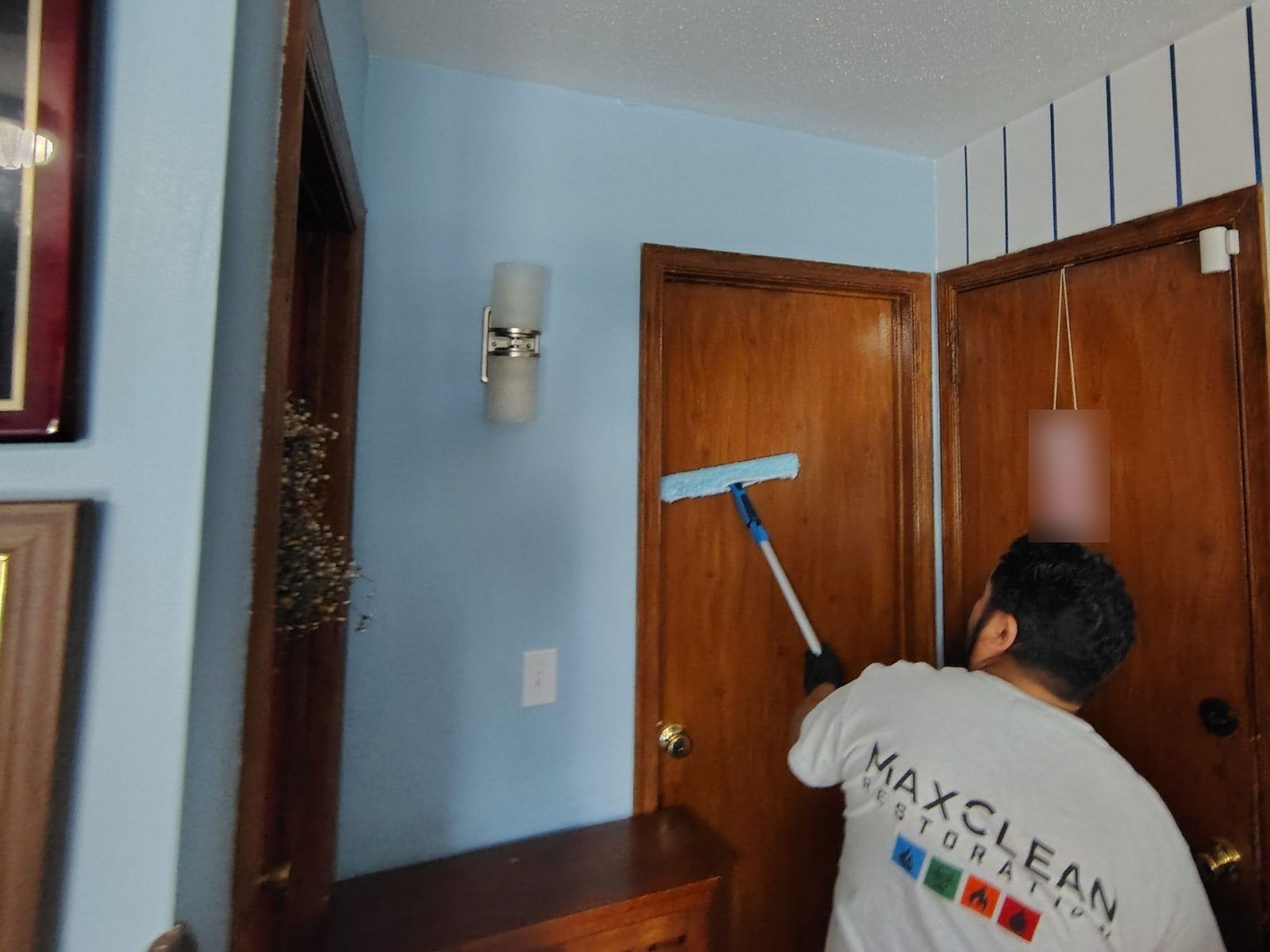
- Cleans soot from walls, ceilings and surfaces using dry soot sponges and the right cleaning products, so the residue is lifted instead of smeared.
- Removes smoke odor at the source with deodorization methods like thermal fogging and hydroxyl treatment.
- Dries out water from firefighting in walls, ceilings, insulation and floors.
- Cleans or packs out belongings that were exposed to smoke, and repairs drywall, paint and finishes once the chimney work is done.
Working with your insurance
We send the invoice to your insurance carrier on your behalf, but the invoice is still the homeowner's responsibility. That includes your deductible and anything your carrier doesn't pay.
In New Jersey, homeowners usually have the right to choose their own restoration contractor. We specialize in working with both homeowners and insurance companies to make sure the work is properly documented for your claim, so your home gets back to its pre-loss condition.
Learn more on our insurance claims page or our fire and smoke damage restoration page.
Printable checklist
Chimney or Fireplace Fire: What to Do Next: Checklist
- ☐ Everyone out and 911 called
- ☐ No water thrown into the fireplace or wood stove
- ☐ Fireplace and wood stove NOT used until a certified chimney sweep inspects them
- ☐ HVAC left OFF if smoke got into the house
- ☐ House aired out once it's safe, kids and pets kept away
- ☐ Photos and video of all damage, inside and out
- ☐ Insurance claim reported and number written down
- ☐ Copy of the fire department report requested
- ☐ Restoration company called
- ☐ MaxClean Restoration 24/7: 732-539-2942
Frequently asked questions
The fire went out on its own. Do I still need to call 911? Yes. A chimney fire can spread into the attic, roof or walls through cracks in the flue, and that kind of fire can smolder out of sight. The fire department can check the chimney and the framing around it with a thermal camera.
When can I use my fireplace again? Not until a certified chimney sweep has inspected the full length of the chimney and any repairs are done. After a chimney fire, sweeps usually recommend a detailed inspection, often with a camera inside the flue, because cracks in the liner aren't visible from the fireplace.
Can I wipe the soot off my walls myself? We don't recommend it. Soot from a fireplace is fine and powdery, and wiping it with a wet cloth or household cleaner smears it into the paint and can set the stain. Professional cleaning starts with dry soot sponges and HEPA vacuuming, then the right cleaner for each surface.
Who pays for cleanup after a chimney fire? Fire is usually covered under most homeowner policies. We send the invoice to your insurance carrier on your behalf, but the invoice is still the homeowner's responsibility. That includes your deductible and anything your carrier doesn't pay.
Can I choose my own restoration contractor after a chimney fire? In New Jersey, homeowners usually have the right to choose their own restoration contractor. We specialize in working with both homeowners and insurance companies to make sure the work is properly documented for your claim, so your home gets back to its pre-loss condition.
Get ready before it happens: build a free emergency plan for your home (shutoff locations, emergency contacts, maintenance reminders) at plan.maxcleanrestoration.com.
Need help right now? Call or text MaxClean Restoration at 732-539-2942 · Text us Open 24/7 in Monmouth, Ocean and Middlesex counties. We're usually on site in about an hour near Freehold, and in about 2 hours in Lacey, Stafford, Barnegat and Little Egg Harbor.
Related: fire and smoke damage restoration · After a house fire · Furnace puff-back · All Resource Center guides · Insurance claim help · Free home emergency plan
MaxClean Restoration, 11 Bannard Street, Freehold, NJ · IICRC Certified Firm · NJ HIC #13VH12188600 Open 24/7 across Monmouth, Ocean and Middlesex counties. Usually on site in about an hour near Freehold, and in about 2 hours in Lacey, Stafford, Barnegat and Little Egg Harbor.